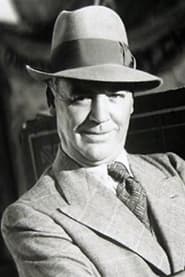
John Wray
Actor
Born: November 13, 1887 in Philadelphia, Pennsylvania, USA Died: April 5, 1940 Active: 1929-1940 Birth Name: John Griffith Malloy
Films
2 films
About John Wray
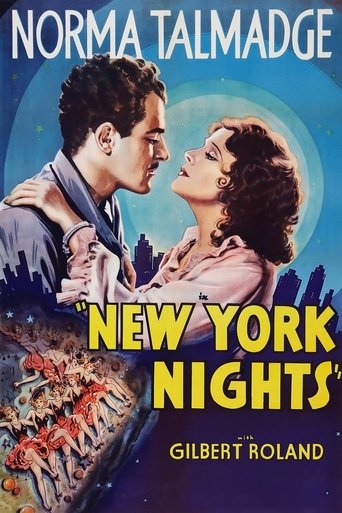
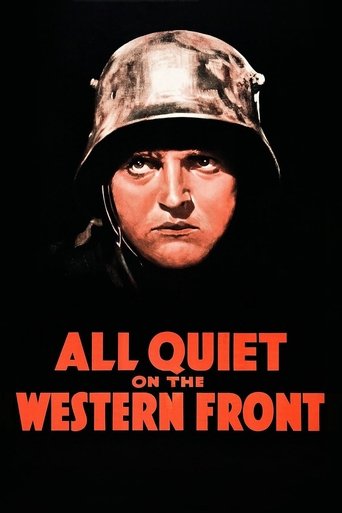
John Wray appears in The Big House (1930), I Am a Fugitive from a Chain Gang (1932), The Informer (1935) in this catalog. Beginning his film career in 1929 with 'New York Nights,' Wray quickly established himself as a reliable supporting player known for his imposing presence and versatility. Throughout the 1930s, he appeared in over 80 films, often portraying authority figures, villains, or troubled characters with remarkable depth and authenticity. His performances in films like 'The Big House' (1930), 'I Am a Fugitive from a Chain Gang' (1932), and 'The Informer' (1935) showcased his ability to bring complexity to even minor roles. Wray worked with many of the era's most prominent directors, including Frank Capra, William Wyler, and John Ford, becoming a familiar face to movie audiences of the time. His career was tragically cut short by his death from a heart attack in 1940 at the age of 52, just as he was reaching the peak of his craft.
The Craft
On Screen
Wray was known for his naturalistic acting style that brought authenticity to every role, whether playing hardened criminals, authority figures, or sympathetic everymen. He possessed a commanding screen presence with his tall, gaunt frame and intense eyes that could convey deep emotion without dialogue. His transition from silent to sound films was seamless, as he had a distinctive voice that perfectly complemented his visual intensity. Wray specialized in playing complex characters who were neither purely good nor evil, bringing nuance and depth to supporting roles that might have been one-dimensional in lesser hands.
Milestones
- Film debut in 'New York Nights' (1929)
- Breakthrough role as prison guard in 'The Big House' (1930)
- Memorable performance as police sergeant in 'I Am a Fugitive from a Chain Gang' (1932)
- Critically acclaimed role in 'The Informer' (1935)
- Supporting role in Oscar-winning 'The Life of Emile Zola' (1937)
- Final film appearance in 'The Grapes of Wrath' (1940, released posthumously)
Best Known For
Iconic Roles
Must-See Films
Accolades
Special Recognition
- Posthumous recognition as one of Hollywood's most reliable character actors
- Featured in TCM's 'Character Actors' documentary series
Working Relationships
Worked Often With
Studios
Why They Matter
Impact on Culture
John Wray represents the crucial category of character actors who formed the backbone of Golden Age Hollywood cinema. While never a leading man, his performances provided essential support to the stars and helped create the rich, believable worlds of classic films. His ability to transform himself for each role demonstrated the craft of character acting at its finest, showing how supporting players could elevate entire productions. Wray's work during the transition from silent to sound films exemplifies the adaptability required of actors during this pivotal period in cinema history.
Lasting Legacy
John Wray's legacy lives on through the many classic films in which he delivered memorable performances, even in small roles. Film historians and classic movie enthusiasts recognize him as part of the essential fabric of 1930s Hollywood, representing the unsung heroes who made the studio system work. His naturalistic acting style influenced subsequent generations of character actors who understood the importance of authenticity in supporting roles. Today, his films continue to be studied and appreciated, with his performances standing as examples of how character actors can leave an indelible mark on cinema history.
Who They Inspired
Wray influenced other character actors through his dedication to craft and ability to bring depth to every role, regardless of screen time. His naturalistic approach to acting helped pave the way for more realistic performances in Hollywood films. Younger actors studying his work learned the importance of subtlety and authenticity in character portrayal. His success in transitioning from silent films to talkies demonstrated the value of adaptability in an evolving industry.
Off Screen
Private individual who kept his personal life largely out of the public eye, focusing instead on his craft. He was known among his colleagues as a dedicated professional who took his work seriously but maintained a humble demeanor off-screen. Despite his frequent portrayal of tough, unsympathetic characters, those who knew him described him as gentle and kind-hearted. His sudden death from a heart attack at age 52 shocked the Hollywood community, which had come to rely on his consistent performances in their productions.
Education
Limited formal education; likely self-taught in acting through stage experience before entering films
Family
- Married once (spouse's name not publicly documented)
Did You Know?
- Changed his name from John Griffith Malloy to John Wray early in his career
- Appeared in over 80 films in just 11 years
- Often played authority figures despite his gentle off-screen personality
- His final film 'The Grapes of Wrath' was released after his death
- Never received a screen credit larger than fourth billing
- Was
- Worked with virtually every major director of the 1930s
- His death cut short what many believed would be an even more significant career
- Was particularly effective in prison and authority figure roles
- His gaunt appearance made him particularly effective in dramatic roles
In Their Own Words
I don't care about the size of the role, only the quality of the character
Every actor, no matter how small the part, serves the story
The best actors are those who make the unbelievable believable
Frequently Asked Questions
Who was John Wray?
American character with credits in this catalog. Born John Griffith Malloy, he specialized in playing authority figures, villains, and complex supporting characters in many of Hollywood's classic productions.
What films is John Wray best known for?
Titles linked here include The Big House (1930), I Am a Fugitive from a Chain Gang (1932).
When was John Wray born and when did he die?
Born November 13, 1887; died April 5, 1940.
What awards did John Wray win?
Despite his prolific career and memorable performances, John Wray did not receive any major awards or nominations during his lifetime. However, he is recognized by film historians as one of Hollywood's most reliable and talented character actors of the 1930s.
What was John Wray's acting style?
Wray was known for his naturalistic, authentic acting style that brought depth to every role. He possessed a commanding screen presence with his distinctive gaunt appearance and intense eyes, excelling at playing complex characters who were neither purely good nor evil.
Why did John Wray change his name?
John Wray changed his name from John Griffith Malloy early in his career, likely adopting a more stage-friendly name that would be easier for audiences and casting directors to remember, a common practice among actors of that era.