Gilbert Roland
Actor
Born: December 11, 1905 in Ciudad Juárez, Chihuahua, Mexico Died: May 15, 1994 Active: 1925-1982 Birth Name: Luis Antonio Dámaso de Alonso
Films
5 films

About Gilbert Roland
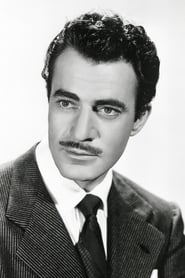
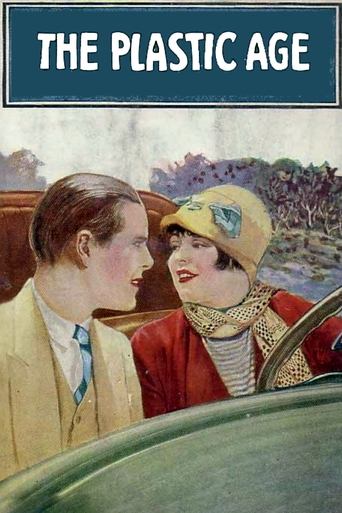
Gilbert Roland was born Luis Antonio Dámaso de Alonso in Ciudad Juárez, Mexico, and rose to become one of Hollywood's most enduring Latin leading men. His career began in the silent era with his breakthrough role in 'The Plastic Age' (1925) opposite Clara Bow, establishing him as a dashing romantic lead. Roland successfully transitioned to talkies, leveraging his distinctive baritone voice and charismatic presence to maintain his stardom through the 1930s and 1940s. He became particularly famous for his portrayal of the Cisco Kid in a series of films during the 1940s, bringing charm and authenticity to the character that few other actors matched. During World War II, he served in the U.S. Army Air Forces while continuing to appear in films. Roland's an incredible six decades, with his final film appearance in 'Barbarosa' (1982), making him one of the few actors to successfully bridge the silent era through the New Hollywood period. His sophisticated demeanor, signature mustache, and ability to play both romantic leads and complex character roles made him a beloved figure in classic cinema.
The Craft
On Screen
Gilbert Roland was known for his smooth, sophisticated acting style characterized by effortless charm and natural charisma. He brought a distinctive Latin flair to his roles, combining romantic intensity with a playful sense of humor. His performances were marked by his deep, resonant voice and expressive eyes, allowing him to convey emotion with subtle gestures rather than broad theatrics. Roland excelled at both swashbuckling adventure roles and dramatic character parts, adapting his style to suit the requirements of each genre while maintaining his signature suave demeanor.
Milestones
- Breakthrough role in 'The Plastic Age' (1925)
- Successful transition from silent films to talkies
- Iconic portrayal of the Cisco Kid in six films (1944-1947)
- Golden Globe nomination for 'The Bad and the Beautiful' (1952)
- Starred in the underwater Technicolor spectacle 'Beneath the 12-Mile Reef' (1953)
- Military service in U.S. Army Air Forces during WWII
- Six-decade career spanning from silent era to modern cinema
Best Known For
Iconic Roles
Must-See Films
Accolades
Won
- Golden Globe for World Film Favorite (1952)
- Photoplay Award (1937)
Nominated
- Golden Globe Award for Best Supporting Actor for 'The Bad and the Beautiful' (1952)
Special Recognition
- Hollywood Walk of Fame star (6600 Hollywood Blvd)
- Inducted into the Hall of Great Western Performers at the National Cowboy & Western Heritage Museum (1980)
Working Relationships
Worked Often With
Studios
Why They Matter
Impact on Culture
Gilbert Roland played a significant role in breaking stereotypes for Latin actors in Hollywood during the Golden Age. Unlike many of his contemporaries who were typecast in limited roles, Roland managed to portray complex, dignified characters that appealed to mainstream audiences while maintaining his cultural identity. His success paved the way for future generations of Latin actors and helped normalize Latin presence in American cinema. His portrayal of the Cisco Kid was particularly influential, presenting a Mexican character as heroic and charming rather than as a caricature, which was revolutionary for its time.
Lasting Legacy
Gilbert Roland's legacy is that of a trailblazer who demonstrated remarkable longevity and adaptability in an industry known for its fleeting nature. He successfully navigated six decades of changing cinematic styles, from silent films through the studio system and into the New Hollywood era. His career shows talent, perseverance, and the ability to transcend cultural barriers. Roland is remembered not only for his charismatic performances but also for his role in expanding opportunities for Latin actors in American cinema. His influence can be seen in the careers of subsequent Latin stars who followed in his footsteps.
Who They Inspired
Gilbert Roland influenced generations of Latin actors by demonstrating that it was possible to maintain cultural identity while achieving mainstream success in Hollywood. His sophisticated approach to Latin characters, avoiding caricature and stereotype, set a new standard for representation. Actors like Ricardo Montalbán, Anthony Quinn, and later stars like Antonio Banderas and Javier Bardem benefited from the path Roland blazed. His ability to transition between leading man and character roles also provided a model for career longevity that many actors have since emulated.
Off Screen
Gilbert Roland led a colorful personal life marked by two significant marriages and a lifelong dedication to his craft. He married actress Constance Bennett in 1941, though their marriage ended in divorce in 1946. In 1954, he married Guillermina Jiménez Chabolla, a famous Mexican singer known as 'La Charrita,' with whom he had two children. Roland was known for his sophistication and was a popular figure in Hollywood social circles, maintaining friendships with many of the era's biggest stars. He was fluent in both English and Spanish, which helped him bridge Mexican and American cinema throughout his career.
Education
Studied acting in Los Angeles after moving from Mexico, informal training through early film work
Family
- Constance Bennett (1941-1946)
- Guillermina Jiménez Chabolla 'La Charrita' (1954-1994)
Did You Know?
- Was originally discovered while working as a busboy at a Hollywood restaurant
- His stage name 'Gilbert Roland' was chosen by combining the names of his two favorite actors: John Gilbert and Ruth Roland
- Served as a technical advisor for films featuring Latin American themes
- Was an accomplished polo player and participated in celebrity tournaments
- Spoke five languages fluently: English, Spanish, French, Italian, and Portuguese
- His distinctive mustache became his trademark and was rarely absent from his film appearances
- Was offered the role that eventually went to Tyrone Power in 'The Mark of Zorro' (1940) but turned it down
- Appeared in over 100 films during his career
- Was a close friend of fellow Mexican actor Dolores del Río
- His daughter Gyl Roland became an actress and appeared in several films during the 1970s
In Their Own Words
I never wanted to be just a Latin lover. I wanted to be an actor who happened to be Latin.
The secret to longevity in this business is simple: show up, know your lines, and don't make trouble.
Playing the Cisco Kid was a joy because he was a hero who was also human - he could laugh at himself.
Hollywood has changed, but the audience's desire for good stories and compelling characters never does.
I was lucky to bridge two worlds - my Mexican heritage and my American career - and find success in both.
Frequently Asked Questions
Who was Gilbert Roland?
Mexican-American with credits in this catalog. Born Luis Antonio Dámaso de Alonso, he became one of the first Latin actors to achieve mainstream success as a leading man, known for his sophisticated charm and distinctive mustache.
What films is Gilbert Roland best known for?
Titles linked here include The Plastic Age (1925), The Bad and the Beautiful (1952).
When was Gilbert Roland born and when did he die?
Born December 11, 1905; died May 15, 1994.
What awards did Gilbert Roland win?
Gilbert Roland won a Golden Globe for World Film Favorite in 1952 and received a Golden Globe nomination for Best Supporting Actor for 'The Bad and the Beautiful.' He was also honored with a star on the Hollywood Walk of Fame and was inducted into the Hall of Great Western Performers.
What was Gilbert Roland's acting style?
Gilbert Roland was known for his smooth, sophisticated acting style characterized by effortless charm and natural charisma. He brought distinctive Latin flair to his roles while avoiding stereotypes, combining romantic intensity with humor and excelling in both swashbuckling adventures and dramatic character parts.