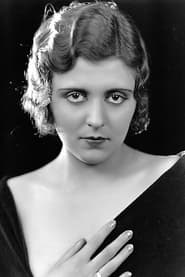
Mary Doran
Actor
Born: January 1, 1901 in New York City, New York, USA Died: October 6, 1995 Active: 1927-1937 Birth Name: Mary G. Doran
Films
6 films

About Mary Doran
The 1929 film The Broadway Melody is the only title linked here for Mary Doran. After retiring from acting, she focused on her family life with her husband, director Tay Garnett, and largely stayed out of the public eye until her death in 1995.
The Craft
On Screen
Mary Doran was known for her naturalistic acting style that adapted well to the new sound era, characterized by her ability to portray sophisticated, modern women with wit and charm. She had a distinctive speaking voice that was well-suited for early sound recording technology, and her performances often featured a blend of comedic timing and dramatic depth. Unlike many silent film actors who struggled with talkies, Doran's background in stage work helped her transition smoothly to sound films, where she excelled in portraying contemporary, urban characters.
Milestones
- Breakthrough role in 'The Broadway Melody' (1929)
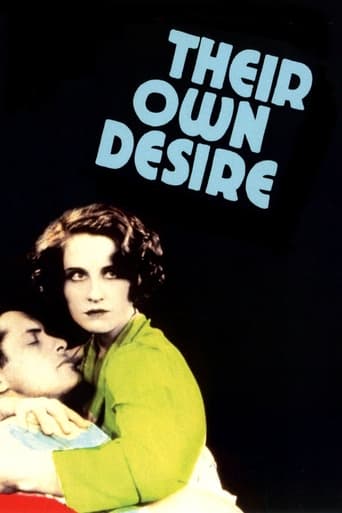
- Supporting role in 'Their Own Desire' (1929) with Norma Shearer
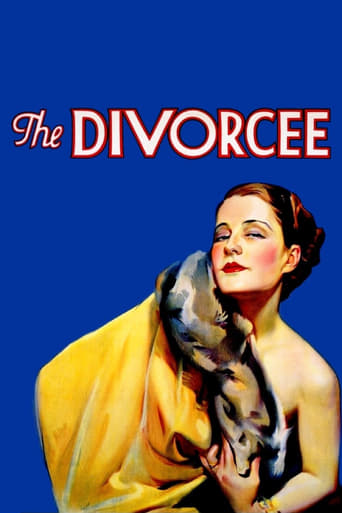
- Appearance in 'The Divorcee' (1930) starring Norma Shearer
- Frequent work at MGM during the transition to sound
- Marriage to director Tay Garnett in 1934
Best Known For
Iconic Roles
Must-See Films
Working Relationships
Worked Often With
Studios
Why They Matter
Impact on Culture
Mary Doran represents the archetype of the transitional actress who successfully navigated the shift from silent films to talkies, embodying the modern, sophisticated woman of the Jazz Age. Her ability to adapt her acting style for sound films made her a valuable supporting player during this crucial period in cinema history. While never a leading lady, her presence in numerous MGM productions helped establish the studio's reputation for glamorous, contemporary storytelling. Doran's career trajectory also reflects the common pattern of actresses who married directors and subsequently reduced their on-screen work, a phenomenon that shaped Hollywood's social and professional dynamics during the Golden Age.
Lasting Legacy
Though largely forgotten by mainstream audiences, Mary Doran remains significant to film historians as a representative example of the working actress who flourished during Hollywood's transition to sound. Her filmography serves as a valuable record of early sound cinema techniques and the types of roles available to women during this period. The preservation of her films, particularly 'The Broadway Melody' and 'Their Own Desire', ensures that her contributions to early talkie cinema remain accessible to scholars and classic film enthusiasts. Her marriage to Tay Garnett also makes her of interest to those studying the personal and professional relationships that shaped Hollywood's Golden Age.
Who They Inspired
As a supporting actress rather than a star, Mary Doran's direct influence on other performers was limited. However, her successful adaptation to sound films provided a model for other silent film actors facing the transition. Her naturalistic style and clear diction demonstrated the new requirements for sound acting, influencing how supporting roles were approached in early talkies. Through her work with major stars like Norma Shearer and Joan Crawford, she contributed to the overall quality and success of their films, indirectly influencing the development of the Hollywood star system.
Off Screen
Mary Doran married film director Tay Garnett in 1934, and their marriage lasted until Garnett's death in 1977. The couple had one daughter, Tiela Garnett, who later became a writer and artist. Doran largely withdrew from acting after her marriage, choosing to focus on family life while occasionally appearing in her husband's films. She was known for her intelligence and wit, traits that made her popular among Hollywood's creative community. After Garnett's death, she lived a relatively private life in California, maintaining connections with old Hollywood friends but rarely giving interviews or making public appearances.
Education
Attended public schools in New York City, later studied drama at local acting schools
Family
- Tay Garnett (1934-1977)
Did You Know?
- Born on New Year's Day in 1901
- Made her film debut in 1927 during the silent era
- Successfully transitioned to talkies while many of her contemporaries struggled
- Appeared in the first all-talking musical to win the Academy Award for Best Picture, 'The Broadway Melody'
- Was often typecast as the sophisticated friend or rival to the leading lady
- Her marriage to director Tay Garnett lasted 43 years until his death
- Retired from acting in 1937 at age 36 to focus on family
- Lived to be 94 years old, outliving most of her contemporaries from early Hollywood
- Her daughter Tiela wrote about growing up in Hollywood in her memoir
- Despite appearing in over 50 films, she was never credited as a leading lady
In Their Own Words
I never wanted to be a star. I just wanted to be a good actress and make a living doing what I loved.
Frequently Asked Questions
Who was Mary Doran?
American actress active in Hollywood during the late 1920s and early 1930s, best known for her supporting roles in early sound films, particularly at MGM. She successfully transitioned from silent films to talkies and appeared in over 50 films during her decade-long career.
What films is Mary Doran best known for?
Titles linked here include The Broadway Melody (1929), Their Own Desire (1929).
When was Mary Doran born and when did she die?
Born January 1, 1901; died October 6, 1995.
What awards did Mary Doran win?
Mary Doran did not receive any major awards or nominations during her career. As a supporting actress during the early sound era, she was recognized for her reliability and versatility but never received formal accolades from the industry.
What was Mary Doran's acting style?
Mary Doran was known for her naturalistic acting style that adapted well to sound films, characterized by clear diction and the ability to portray sophisticated, modern women with wit and charm. Her performances featured a blend of comedic timing and dramatic depth that made her particularly effective in supporting roles.