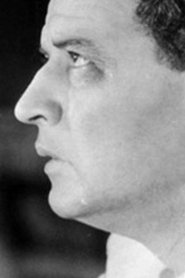
Victor Halperin
Director
Born: August 24, 1895 in Chicago, Illinois, USA Died: October 17, 1962 Active: 1931-1936 Birth Name: Victor Hugo Halperin
Films
1 film
About Victor Halperin
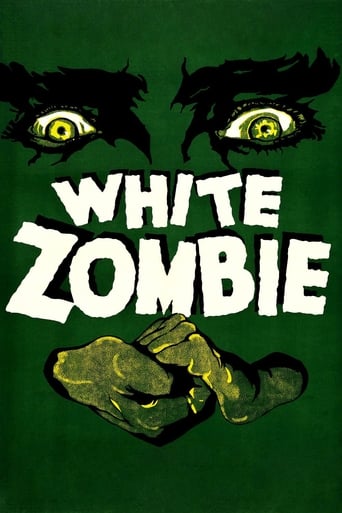
American film director who rose to prominence during the early sound era of Hollywood, though his career was notably brief yet impactful. Born in Chicago in 1895, Halperin began his career in the film industry during the silent era, working various behind-the-scenes roles before transitioning to directing. His most significant contribution to cinema came with the 1932 horror classic 'White Zombie,' starring Bela Lugosi, which is widely recognized as the first feature-length zombie film and established many tropes that would define the genre for decades. Halperin's directing primarily from 1931 to 1936, during which he directed several low-budget but atmospheric horror films that developed a cult following. He worked closely with his brother Edward Halperin, who produced many of his films, creating a family production unit that specialized in atmospheric horror productions. Despite his relatively small output of feature films, Halperin's work, particularly 'White Zombie,' influenced generations of horror filmmakers and helped establish the zombie as a staple of horror cinema. His career declined after the mid-1930s, and he largely disappeared from the film industry, though his legacy lived on through the enduring popularity of his horror works.
The Craft
Behind the Camera
Halperin's directing style was characterized by its atmospheric and moody approach, utilizing shadow and lighting to create unsettling environments. He employed innovative sound techniques to enhance the psychological horror elements of his films, often using ambient sounds and music to build tension. His visual compositions emphasized gothic elements and exotic locations, creating dreamlike sequences that blurred the line between reality and nightmare. Halperin preferred suggestive horror over explicit violence, relying on psychological tension and the viewers' imagination to create fear. His pacing was deliberate and methodical, building suspense gradually through careful editing and atmospheric set pieces.
Milestones
- Directed 'White Zombie' (1932), the first feature-length zombie film
- Pioneered atmospheric horror techniques in early sound cinema
- Collaborated with Bela Lugosi post-Dracula
- Established zombie mythology in popular culture
- Created influential low-budget horror productions
Best Known For
Must-See Films
Accolades
Special Recognition
- Posthumous recognition as a pioneer of zombie cinema
- Cult status among horror film enthusiasts
- Retrospective screenings at classic film festivals
Working Relationships
Worked Often With
Studios
Why They Matter
Impact on Culture
Victor Halperin's impact on cinema, particularly the horror genre, is disproportionately significant given his relatively small body of work. 'White Zombie' essentially created the cinematic zombie mythology that would evolve and dominate horror culture for nearly a century, introducing concepts like zombification through voodoo, mindless henchmen, and the exotic Caribbean setting that became genre staples. His atmospheric approach to horror influenced countless filmmakers who followed, demonstrating that low-budget productions could achieve powerful psychological effects through mood and suggestion rather than expensive special effects. Halperin's work helped establish horror as a viable genre in the early sound era, proving that audiences would respond to sophisticated psychological terror. His films, particularly 'White Zombie,' developed cult followings that have only grown over time, with modern horror scholars recognizing his contributions to genre development. The visual and thematic elements he introduced continue to appear in contemporary zombie and horror media, demonstrating the lasting nature of his innovations.
Lasting Legacy
Victor Halperin's legacy rests primarily on his work in zombie cinema, with 'White Zombie' serving as the foundational text for the entire zombie film genre. Despite his brief career and limited commercial success during his lifetime, Halperin is now recognized by film historians and horror enthusiasts as a crucial figure in the development of American horror cinema. His atmospheric style and psychological approach to horror influenced generations of filmmakers, from Val Lewton's RKO horror unit of the 1940s to modern directors like Guillermo del Toro. The cult status of his films has grown exponentially since his death, with 'White Zombie' in particular being studied in academic film courses and analyzed in numerous books on horror cinema history. Halperin's work represents a crucial bridge between the German Expressionist horror of the 1920s and the more explicit horror films that would follow, demonstrating how mood and atmosphere could create lasting terror. His films are now preserved and screened at classic film festivals and horror conventions, ensuring that new generations can discover and appreciate his contributions to cinema.
Who They Inspired
Halperin's influence on horror cinema is most evident in the zombie genre, where his work in 'White Zombie' established many conventions that would become standard. George A. Romero, creator of 'Night of the Living Dead,' acknowledged the debt that zombie cinema owed to Halperin's work. His atmospheric techniques influenced the entire horror film industry, showing that psychological terror could be more effective than explicit violence. The visual style he developed, with its emphasis on shadows and exotic locations, can be seen in countless horror films that followed. His success with low-budget productions demonstrated that effective horror could be created without major studio resources, influencing independent horror filmmakers for decades. The thematic elements he introduced, particularly the concept of zombification as a form of control and the use of voodoo mythology, continue to appear in contemporary horror media. His work also influenced how horror films used sound, with his innovative audio techniques becoming standard practice in the genre.
Off Screen
Victor Halperin was born into a Jewish family in Chicago and grew up in Illinois. He worked closely with his brother Edward Halperin throughout his film career, with Edward serving as producer on many of Victor's directorial efforts. The brothers formed a creative partnership that allowed them to maintain creative control over their low-budget productions. Halperin was known as a private individual who rarely gave interviews or participated in Hollywood social circles. After his film career ended in the late 1930s, he largely withdrew from public life and lived in relative obscurity until his death in 1962. His personal life remained largely undocumented, with most information about him coming from his film work rather than personal accounts.
Education
Limited information available about his formal education, though he likely attended schools in Chicago during his youth
Did You Know?
- 'White Zombie' (1932) is considered the first feature-length zombie film in cinema history
- The film was independently produced for only $50,000 but grossed over $1 million at the box office
- Bela Lugosi was paid only $800 for his starring role in 'White Zombie' despite his recent fame from 'Dracula'
- The zombie makeup in 'White Zombie' was so simple that actors could apply it themselves
- Halperin directed only 8 feature films in his entire career
- Many of Halperin's films were considered lost for decades before being rediscovered by horror film enthusiasts
- The success of 'White Zombie' led to a wave of zombie films in the 1930s and 1940s
- Halperin worked without a contract for most of his career, making him one of Hollywood's earliest independent directors
- His brother Edward produced most of his films, making them a rare family production team in early Hollywood
- The word 'zombie' was virtually unknown in American culture before Halperin's film popularized it
- Halperin's films were often shot in only a few days due to budget constraints
- Despite his impact on horror cinema, Halperin never received major recognition during his lifetime
In Their Own Words
On making 'White Zombie': 'We wanted to create something different, something that would haunt the audience long after they left the theater'
On horror cinema: 'The most effective terror comes not from what you show, but from what you suggest to the audience's imagination'
On working with Bela Lugosi: 'He brought a dignity to the horror genre that few actors could match'
Frequently Asked Questions
Who was Victor Halperin?
American on YTB.my. Though his career was brief, spanning only about five years, he made significant contributions to the horror genre and helped establish many conventions of zombie cinema that continue to influence filmmakers today.
What films is Victor Halperin best known for?
Titles linked here include White Zombie (1932), Supernatural (1933).
When was Victor Halperin born and when did he die?
Born August 24, 1895; died October 17, 1962.
What awards did Victor Halperin win?
Victor Halperin did not receive any major awards or nominations during his lifetime. However, he has received posthumous recognition as a pioneer of zombie cinema, and his films have developed cult status among horror enthusiasts. His contributions to the horror genre are now acknowledged by film historians and scholars.
What was Victor Halperin's directing style?
Halperin's directing style emphasized atmosphere, mood, and psychological tension over explicit violence. He used innovative lighting techniques, shadow play, and sound design to create unsettling environments. His approach was heavily influenced by German Expressionism, and he preferred suggestive horror that engaged the audience's imagination rather than showing everything directly.