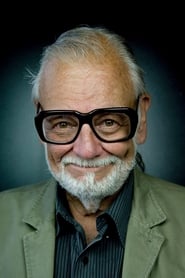
George A. Romero
Director
Born: February 4, 1940 in The Bronx, New York City, New York, USA Died: July 16, 2017 Active: 1968-2017 Birth Name: George Andrew Romero
Films
1 film
About George A. Romero
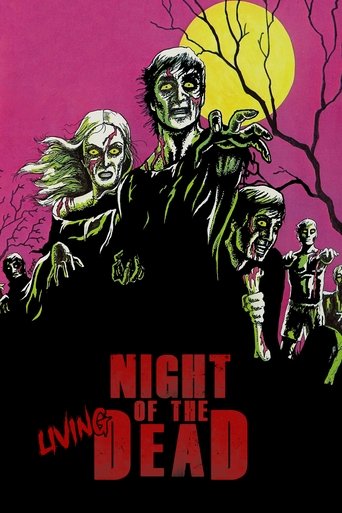
George Andrew Romero — American-Canadian film director, writer, editor, and cinematographer who revolutionized the horror genre with his zombie films. Born in the Bronx in 1940, Romero began his career making commercials and industrial films in Pittsburgh before co-founding Image Ten Productions. His debut feature 'Night of the Living Dead' (1968) independently produced for just $114,000, became a cult phenomenon and established the modern zombie archetype as reanimated corpses with a hunger for human flesh. Throughout the 1970s and 1980s, Romero expanded his 'Dead' series with 'Dawn of the Dead' (1978) and 'Day of the Dead' (1985), using the zombie apocalypse as a metaphor for social commentary on consumerism, militarism, and class conflict. Beyond zombies, Romero directed diverse films including the vampire film 'Martin' (1977), the anthology 'Creepshow' (1982) written with Stephen King, and various studio projects. His influence on popular culture is immeasurable, establishing zombie tropes that persist in films, television, and video games. Romero continued working until his death in 2017, leaving behind a legacy as the 'Godfather of the Dead' and a master of socially conscious horror cinema.
The Craft
Behind the Camera
Romero's directing style was characterized by gritty realism, social commentary, and practical effects. He favored long takes and documentary-like cinematography to create a sense of immediacy and authenticity. His films often featured ensemble casts with ordinary people as protagonists, making horror more relatable. Romero used gore strategically but never gratuitously, focusing on psychological terror and societal critique. His independent filmmaking approach emphasized creativity over budget constraints, often using non-professional actors and real locations. Romero's pacing built tension gradually, and he wasn't afraid to subvert audience expectations, particularly with his willingness to kill main characters.
Milestones
- Directed Night of the Living Dead (1968) which created the modern zombie genre
- Directed Dawn of the Dead (1978) considered one of the greatest horror films ever made
- Co-founded Image Ten Productions
- Created the Living Dead film series spanning six films
- Directed Creepshow (1982) in collaboration with Stephen King
- Received lifetime achievement awards from numerous film festivals
- Inducted into the Pittsburgh Film Hall of Fame
Best Known For
Must-See Films
Accolades
Won
- Saturn Award for Best Director (1979) for Dawn of the Dead
- Saturn Award for Best Writing (1979) for Dawn of the Dead
- Fangoria Chainsaw Award for Lifetime Achievement (2008)
- Scream Mastermind Award (2010)
- Toronto After Dark Film Festival Lifetime Achievement Award (2010)
- Gotham Awards Tribute (2017)
Nominated
- Saturn Award for Best Director (1986) for Day of the Dead
- Saturn Award for Best Writing (1986) for Day of the Dead
- Grand Prix du Jury at Cannes Film Festival (1978) for Dawn of the Dead
Special Recognition
- Star on Canada's Walk of Fame (2014)
- Pittsburgh Film Hall of Fame inductee
- Hollywood Horror Award for Lifetime Achievement
- Scream Film Festival Tribute
- Sitges Film Festival Time Machine Award
Working Relationships
Worked Often With
Studios
Why They Matter
Impact on Culture
George A. Romero fundamentally transformed both the horror genre and popular culture through his reinvention of zombies. Before Romero, zombies in cinema were typically portrayed as mindless slaves under voodoo control. Romero's 'Night of the Living Dead' established zombies as reanimated corpses with an insatiable hunger for human flesh, creating the template that dominates zombie fiction today. His use of zombies as social commentary allowed horror to address contemporary issues like racism, consumerism, and militarism. Romero's work influenced countless filmmakers, musicians, and video game developers, with zombie-themed entertainment becoming a billion-dollar industry. His films also helped legitimize horror as a medium for serious artistic expression and social critique, paving the way for directors like John Carpenter and Wes Craven.
Lasting Legacy
Romero's legacy as the 'Godfather of the Dead' extends far beyond horror cinema. He demonstrated that independent filmmakers could create culturally significant works outside the studio system, inspiring generations of low-budget filmmakers. His Living Dead series created a mythology that has been endlessly referenced, parodied, and reimagined across all media. Romero's commitment to Pittsburgh helped establish it as a filmmaking hub, and his mentorship of local talent created a regional film community. His films remain relevant for their social commentary, with 'Dawn of the Dead's critique of consumerism becoming increasingly prescient. Romero's influence can be seen in everything from 'The Walking Dead' to '28 Days Later,' and his name has become synonymous with zombie cinema worldwide.
Who They Inspired
Romero influenced filmmakers across genres, from horror directors like Sam Raimi and Peter Jackson to mainstream directors like Quentin Tarantino and Edgar Wright. His blend of horror and social commentary inspired directors to use genre films as vehicles for political statements. In the horror community, his practical effects approach influenced Tom Savini and Greg Nicotero, who became industry leaders. His independent filmmaking model inspired Robert Rodriguez and Kevin Smith. Romero's work also influenced video game designers, with games like 'Resident Evil' and 'The Last of Us' owing their existence to his zombie mythology. His influence extends to literature, with authors like Max Brooks and Seth Grahame-Smith building on his zombie concepts.
Off Screen
Romero was married twice, first to Nancy Romero from 1971 to 1978, then to Christine Forrest from 1971 until his death in 2017. He had two children with Christine: daughter Tina and son Andrew. Romero became a Canadian citizen in 2009 while maintaining his American citizenship. He was known for his humble demeanor and remained based in Pittsburgh for most of his career, choosing to work outside the Hollywood system. Romero — avid fan of comic books and hockey, and he was politically liberal, often incorporating his political views into his films through social commentary.
Education
Graduated from Carnegie Mellon University (formerly Carnegie Institute of Technology) in 1960 with a Bachelor of Arts degree
Family
- Nancy Romero (1971-1978)
- Christine Forrest (1971-2017)
Did You Know?
- Night of the Living Dead entered the public domain due to a copyright error, costing Romero millions but ensuring the film's widespread distribution
- Romero originally wanted to make a film about teenage vampires before creating Night of the Living Dead
- He made his first film at age 14 using his father's 8mm camera
- Romero — huge fan of The Three Stooges and their influence can be seen in his use of physical comedy
- He directed commercials for Mr. Rogers' Neighborhood early in his career
- Dario Argento re-edited Dawn of the Dead for European release with different music and faster pacing
- Romero was offered the chance to direct Resident Evil but declined
- He appeared in a cameo in Jonathan Demme's film The Silence of the Lambs
- Romero — lifelong fan of the Pittsburgh Steelers and often included references to the team in his films
- He taught film classes at several universities including Carnegie Mellon and the University of Pittsburgh
In Their Own Words
I'm not a person who's trying to avoid making money. I'm just trying to avoid making bad movies.
I'm a firm believer that the best horror films are political films.
Zombies are the blue-collar monsters. They're the working-class stiffs.
I've always liked the monster-as-metaphor concept. That's what I've always tried to do with my films.
I don't think of zombies as particularly horrifying. I think of them as sad.
The one thing about my movies is they don't cost much to make and they make a lot of money. That's the key to independence.
Frequently Asked Questions
Who was George A. Romero?
American-Canadian on YTB.my. He was a pioneer of independent horror cinema and used zombie films as social commentary on contemporary issues.
What films is George A. Romero best known for?
Titles linked here include Night of the Living Dead (1968), Dawn of the Dead (1978).
When was George A. Romero born and when did he die?
Born February 4, 1940; died July 16, 2017.
What awards did George A. Romero win?
Romero won several Saturn Awards including Best Director and Best Writing for Dawn of the Dead, received lifetime achievement awards from Fangoria and Scream magazines, and was honored with a star on Canada's Walk of Fame. He also received numerous festival tributes and horror genre honors throughout his career.
What was George A. Romero's directing style?
Romero's directing style emphasized gritty realism, social commentary, and practical effects. He used documentary-like cinematography, ensemble casts of ordinary people, and built tension gradually. His films featured strong political messages and subverted horror conventions, particularly through his willingness to kill main characters and use monsters as metaphors for societal issues.