
Films
3 films
About Frederick Peters
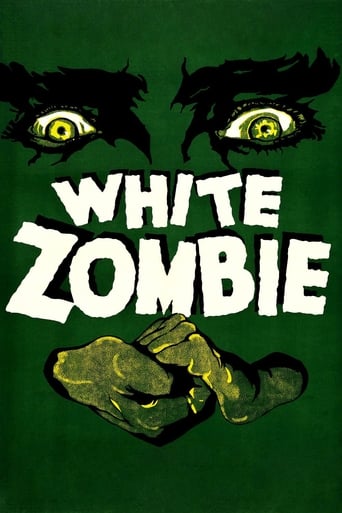
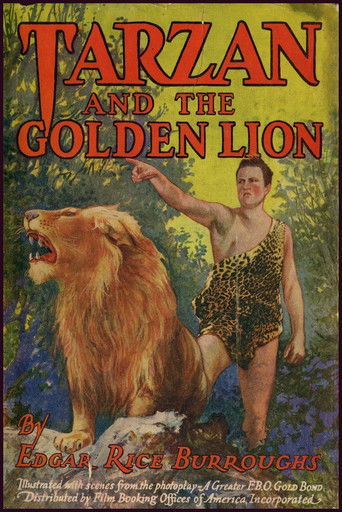
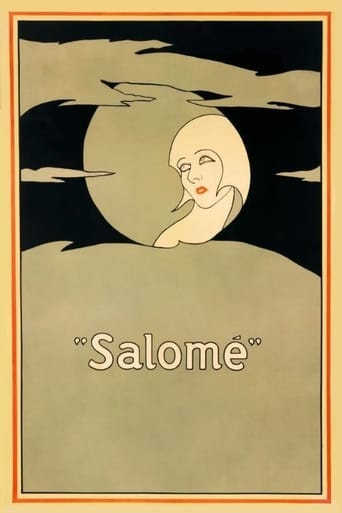
Character actor who worked during the transitional period from silent films to early talkies in the 1920s and early 1930s. Frederick appears in a diverse range of films, from avant-garde art cinema to adventure serials and early horror productions. His most significant roles included appearances in Alla Nazimova's controversial art film Salomé (1922), the popular Tarzan adventure Tarzan and the Golden Lion (1927), and the horror film White Zombie (1932) starring Bela Lugosi. Peters demonstrated remarkable versatility as a supporting actor, adapting his performance style to suit the very different requirements of each genre and the evolving demands of cinema technology. Like many character actors of his era, he provided essential supporting performances that enriched the productions without seeking the spotlight. His decade-long career coincided with transformative periods in film history, as Hollywood transitioned from silent films to talkies. Peters represents the journeyman actors who formed the essential backbone of the studio system during its formative years.
The Craft
On Screen
Peters — versatile character actor who adapted his performance style to suit various genres, from the theatrical and exaggerated style required for silent art films to the more naturalistic approach needed for early sound horror and adventure films. His performances demonstrated the technical skill required during the silent era while also showing the ability to adjust to the new demands of talkies.
Milestones
- Appeared in Alla Nazimova's avant-garde Salomé (1922)
- Supporting role in Tarzan and the Golden Lion (1927)
- Part of the cast of White Zombie (1932), one of the first zombie films
- Successfully transitioned from silent films to early talkies
Best Known For
Iconic Roles
Must-See Films
Working Relationships
Worked Often With
Studios
Why They Matter
Impact on Culture
Frederick Peters contributed to several culturally significant films that have become important artifacts of early cinema history. His appearance in Salomé (1922) places him within the context of Hollywood's early art film movement and the experimental work of Alla Nazimova. By participating in Tarzan and the Golden Lion (1927), he was part of the early Tarzan film phenomenon that would become one of cinema's most enduring franchises. His role in White Zombie (1932) connects him to the origins of zombie cinema, as this film is widely considered one of the first zombie movies and established many tropes that would define the genre for decades. Peters represents the countless character actors who, while not achieving individual fame, collectively shaped the development of American cinema during its crucial formative years.
Lasting Legacy
Frederick Peters' legacy lies in his participation in several historically significant films that span different genres and represent important milestones in early cinema. While he may not be remembered as an individual star, his contributions to films that have become classics of their respective genres ensure his place in film history. His career trajectory from silent art films through adventure serials to early horror talkies mirrors the broader evolution of American cinema during the 1920s and early 1930s. Peters exemplifies the journeyman actors who provided the essential foundation upon which the Golden Age of Hollywood was built.
Who They Inspired
As a character actor rather than a leading star, Frederick Peters' direct influence on other actors was likely limited. However, his work in genre-defining films like White Zombie (1932) contributed to the development of performance styles that would influence subsequent generations of horror actors. His ability to adapt to different genres and the transition from silent to sound films demonstrated the versatility required for longevity in the rapidly changing film industry of his era.
Off Screen
Limited information is available about Frederick Peters' personal life, which was common for supporting character actors of his era who did not achieve major stardom. Like many actors during the early Hollywood period, his life outside of his film work was not extensively documented in contemporary sources.
Did You Know?
- Appeared in three films from completely different genres: art cinema (Salomé), adventure (Tarzan), and horror (White Zombie)
- His decade-long active years covered the crucial transition from silent films to talkies
- White Zombie (1932) was independently produced on a very low budget but became a surprise hit
- Salomé (1922) was considered highly controversial for its time due to its artistic style and themes
- Tarzan and the Golden Lion (1927) was one of the earliest Tarzan sound films
- All three of his known surviving films are now considered classics of their respective genres
- Like many character actors of his era, he often went without on-screen billing in some of his roles
- His career coincided with the establishment of the studio system in Hollywood
Frequently Asked Questions
Who was Frederick Peters?
Character with credits in this catalog. He worked during the crucial transition period from silent films to talkies.
What films is Frederick Peters best known for?
Titles linked here include Salomé (1922), Tarzan and the Golden Lion (1927).
When was Frederick Peters active in films?
Frederick Peters was active as an actor from 1922 to 1932, a decade that encompassed the major transition from silent cinema to early sound films in Hollywood.
What was Frederick Peters' acting style?
Peters — versatile character actor who adapted his performance style to suit various genres, from the theatrical approach of silent art films to the more naturalistic style required for early talkies in horror and adventure films.
What is Frederick Peters' significance in film history?
While not a major star, Peters' significance lies in his participation in several genre-defining films that have become classics, representing the journeyman actors who formed the backbone of early Hollywood and contributed to the development of American cinema.