
Films
2 films
About Charles A. Post
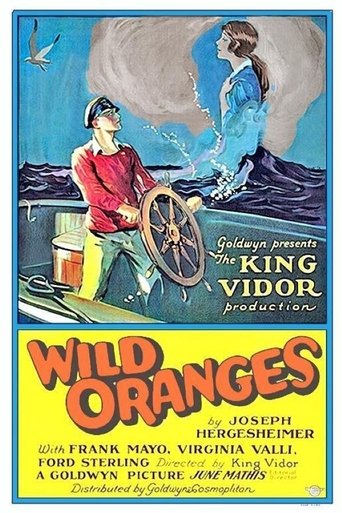
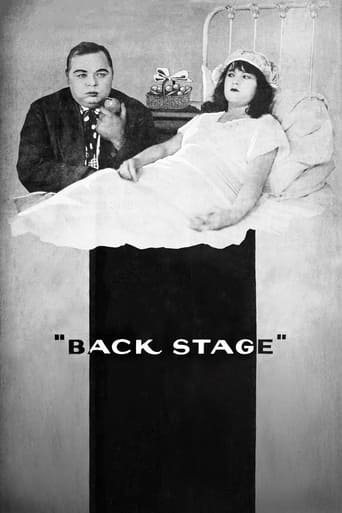
American actor who worked during the silent film era, primarily active between 1919 and 1924. His career, though brief, spanned the transitional period when cinema was evolving from short films to feature-length productions. Post appeared in supporting roles in notable silent films, including the comedy 'Back Stage' (1919) and the critically acclaimed drama 'Wild Oranges' (1924) directed by King Vidor. Like many character actors of his era, he often played reliable supporting roles that helped establish the narrative context for the lead performers. His career coincided with the golden age of silent cinema, but like many actors of his generation, he did not successfully transition to sound films. Post's filmography, while limited, represents the type of reliable character acting that was essential to the studio system of the 1920s. His performances contributed to the ensemble casts that defined Hollywood's silent era productions.
The Craft
On Screen
As a character actor during the silent era, Charles A. Post likely employed the exaggerated physical acting style typical of the period, using facial expressions, gestures, and body language to convey emotion and character motivation without dialogue. His performances would have been tailored to the technical limitations and artistic conventions of silent cinema.
Milestones
- Appeared in 'Back Stage' (1919)
- Featured in King Vidor's 'Wild Oranges' (1924)
- Worked during the peak silent era period
Best Known For
Iconic Roles
Must-See Films
Working Relationships
Worked Often With
Why They Matter
Impact on Culture
Charles A. Post represents the legion of supporting actors who were essential to the machinery of Hollywood's silent era but whose individual contributions have been largely lost to film history. His work in films like 'Wild Oranges' contributed to the overall success of productions that have since been recognized as important works of American cinema. These character actors provided the foundation upon which star performances could shine, creating believable worlds and supporting the narrative structure.
Lasting Legacy
The legacy of Charles A. Post lies in his contribution to the ensemble casts of significant silent films that have survived as important cultural artifacts. While he never achieved star status, actors like him were the backbone of Hollywood's studio system, providing reliability and professionalism that allowed the industry to flourish during its formative years. His preserved performances in films like 'Wild Oranges' serve as examples of the craft of character acting during the silent era.
Who They Inspired
As a supporting actor during a brief period, Charles A. Post's direct influence on other performers is not documented. However, his work contributed to the films that would influence subsequent generations of filmmakers and actors, particularly 'Wild Oranges,' which is studied for its cinematic techniques and storytelling innovations.
Off Screen
Very little is documented about the personal life of Charles A. Post, which was common for supporting actors of the silent era who did not achieve star status. Like many character actors of his time, he likely maintained a private life away from the publicity machines that promoted leading stars.
Did You Know?
- Appeared in 'Wild Oranges' (1924), which was directed by acclaimed filmmaker King Vidor
- His active years covered only five years during the peak of the silent era
- Like many silent era actors, his career ended before the transition to sound films
- Supporting actors of his era often played multiple roles in single productions
- Silent film actors had to master the art of conveying emotion without dialogue
- The 1920s saw Hollywood transition from short films to feature-length productions
- Many character actors from this period remain largely undocumented in film histories
- His filmography represents the typical output of a working actor of the silent era
Frequently Asked Questions
Who was Charles A. Post?
American with credits in this catalog.
What films is Charles A. Post best known for?
Titles linked here include Wild Oranges (1924), Back Stage (1919).
When was Charles A. Post active in films?
Charles A. Post had a brief film career spanning from 1919 to 1924, working exclusively during the silent era of American cinema.
What type of roles did Charles A. Post typically play?
Based on his filmography, Charles A. Post — character actor who appeared in supporting roles, contributing to ensemble casts in silent film productions.
Did Charles A. Post transition to sound films?
No, Charles A. Post's career ended in 1924, before the widespread transition to sound films in Hollywood, which began around 1927-1928.