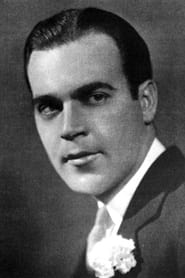
Johnnie Walker
Actor
Born: January 7, 1894 in New York City, New York, USA Died: December 5, 1949 Active: 1915-1932
Films
5 films
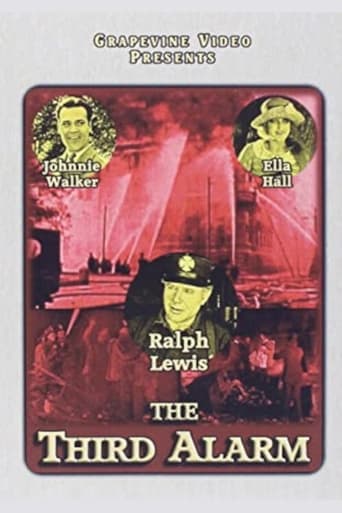
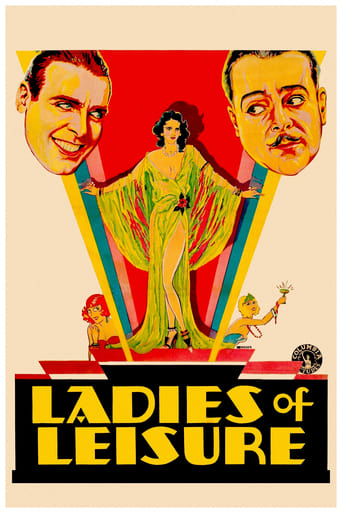
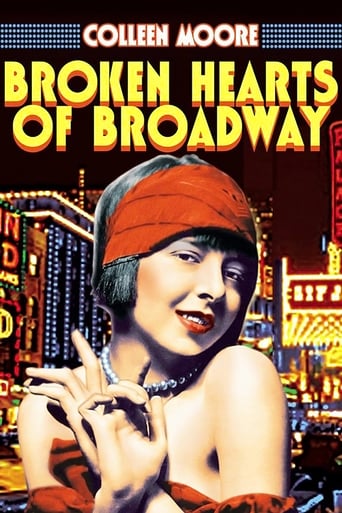
About Johnnie Walker
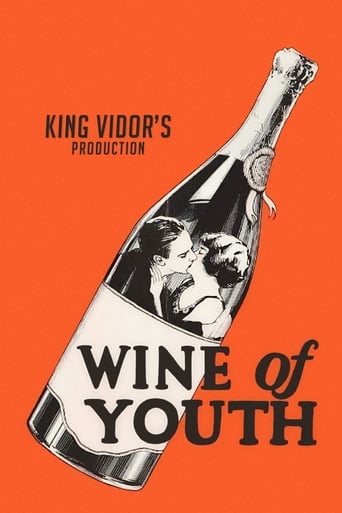
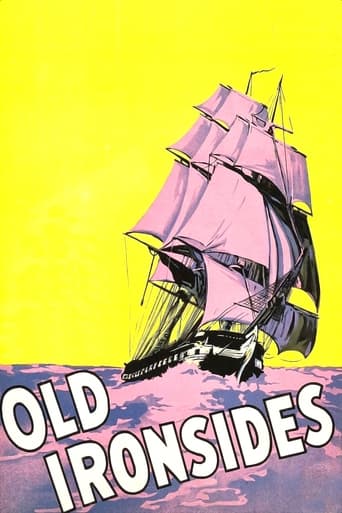
Prominent American silent film actor who rose to stardom during the 1920s as a handsome leading man. Born in New York City, he began his career on Broadway stages before transitioning to motion pictures around 1915. Walker quickly established himself as a reliable romantic lead, appearing in numerous silent productions for various studios. His peak years were in the mid-1920s when he starred in notable films like 'Wine of Youth' (1924) directed by King Vidor and 'Old Ironsides' (1926) directed by James Cruze. Like many silent era actors, Walker struggled to adapt to the advent of sound films, with his career declining significantly after 1930. He made his final film appearances in the early 1930s before largely disappearing from the entertainment industry. Walker spent his later years away from the spotlight and passed away in New York City in 1949 at age 55.
The Craft
On Screen
Walker was known for his naturalistic acting style within the constraints of silent film performance. He possessed a screen presence that combined boyish charm with mature sophistication, making him particularly effective in romantic roles. His acting was characterized by expressive facial features and gestures that conveyed emotion effectively without dialogue. Walker avoided the exaggerated mannerisms common in early silent cinema, instead favoring a more restrained approach that anticipated the naturalistic style that would become standard in sound films. His performances often featured a blend of earnestness and subtle humor that made him relatable to audiences.
Milestones
- Starred in King Vidor's acclaimed 'Wine of Youth' (1924)
- Lead role in James Cruze's historical epic 'Old Ironsides' (1926)
- Successful transition from Broadway to silent film stardom
- Popular romantic leading man in over 60 silent films
- Worked with major directors of the silent era
Best Known For
Iconic Roles
Must-See Films
Working Relationships
Worked Often With
Studios
Why They Matter
Impact on Culture
Johnnie Walker represents the archetype of the silent film leading man whose career was ultimately derailed by the transition to sound. His story exemplifies the challenges faced by many successful silent era actors who struggled to adapt to new technological demands in cinema. While not achieving the legendary status of contemporaries like Rudolph Valentino or John Gilbert, Walker was part of the generation that helped establish the romantic leading man archetype in American cinema. His performances in notable films like 'Wine of Youth' contributed to the evolution of more naturalistic acting styles in silent films, moving away from the theatrical exaggerations of earlier cinema.
Lasting Legacy
Johnnie Walker's legacy is primarily that of a representative figure of the silent film era rather than an enduring cinematic icon. His career trajectory from Broadway to silent film stardom to obscurity mirrors the experiences of many actors of his generation. While his films are rarely screened today, they remain valuable historical artifacts that showcase the acting styles and storytelling techniques of the 1920s. Walker's story serves as a reminder of the precarious nature of fame in early Hollywood and the dramatic impact that technological changes like the advent of sound could have on established careers. His work in films directed by notable auteurs like King Vidor ensures that at least some of his performances have been preserved for film historians and silent cinema enthusiasts.
Who They Inspired
Walker's influence on subsequent generations of actors is limited due to the relative obscurity of his later career and the difficulty of accessing many of his films. However, his naturalistic approach to silent film acting, particularly in 'Wine of Youth,' represented a step toward the more realistic performance styles that would become standard in sound cinema. His ability to convey emotion through subtle facial expressions rather than exaggerated gestures influenced other actors working to transition from theatrical to cinematic acting styles. While not widely studied as an influential figure, Walker's work contributed to the broader evolution of screen acting techniques during the crucial transition period of the 1920s.
Off Screen
Johnnie Walker married actress Barbara Bedford in 1926, though their marriage ended in divorce. The couple had met while working together in films and their relationship was well-publicized in Hollywood gossip columns. After his film career declined, Walker largely withdrew from public life and details about his later years remain scarce. He never remarried and had no children. Walker spent his final years in New York City, where he had been born, living a quiet life away from the entertainment industry that had once made him famous.
Education
Limited information available, likely received standard education for the period and may have had theatrical training in New York
Family
- Barbara Bedford (1926-1928)
Did You Know?
- His real name was actually Johnnie Walker - he did not use a stage name
- He appeared in over 60 films during his career, most of which are now lost
- Walker began his career as a stage actor on Broadway before entering films
- He was particularly popular with female audiences due to his handsome appearance
- His marriage to actress Barbara Bedford was highly publicized in Hollywood trade papers
- Like many silent actors, he had a pleasant voice but struggled with the technical demands of early sound recording
- He made his film debut in 1915 in a short comedy film
- Walker was often typecast as the romantic hero or the clean-cut protagonist
- His final film appearances were in low-budget productions in the early 1930s
- He died relatively young at age 55, just 19 years after the end of his film career
In Their Own Words
The trouble with pictures today is they're trying to be too realistic. The public doesn't want realism - they want romance and dreams.
In silent pictures, we had to tell the whole story with our faces and our bodies. Every gesture had to mean something.
Frequently Asked Questions
Who was Johnnie Walker?
American silent film with credits in this catalog. He appeared in over 60 films, including notable works like 'Wine of Youth' and 'Old Ironsides,' before his career declined with the advent of sound films.
What films is Johnnie Walker best known for?
Titles linked here include Wine of Youth (1924), Old Ironsides (1926).
When was Johnnie Walker born and when did he die?
Born January 7, 1894; died December 5, 1949.
What awards did Johnnie Walker win?
Johnnie Walker did not receive any major awards or nominations during his career. Like many actors of his era, recognition was primarily through box office success and critical acclaim rather than formal awards.
What was Johnnie Walker's acting style?
Walker was known for a naturalistic acting style that avoided the exaggerated mannerisms common in early silent films. He relied on expressive facial features and subtle gestures to convey emotion, making him particularly effective in romantic roles.
Why did Johnnie Walker's career end?
Walker's career declined significantly with the transition to sound films in the late 1920s. Like many silent era actors, he struggled to adapt to the new technical and performance demands of talking pictures, leading to fewer roles and eventual retirement from acting.
Was Johnnie Walker married?
Yes, Johnnie Walker was married to actress Barbara Bedford from 1926 to 1928. They met while working together in films and their marriage was well-publicized, though it ended in divorce.