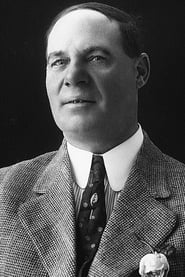
Harry Todd
Actor
Born: December 13, 1863 in Allegheny, Pennsylvania, USA Died: March 15, 1935 Active: 1921-1930
Films
9 films
About Harry Todd
Prolific character actor during the silent film era and early sound period, best known for his distinctive appearance and reliable supporting performances. Born in the late 19th century, he began his film career in the early 1920s and quickly established himself as a familiar face in Hollywood productions. Todd appeared in numerous Westerns and adventure films throughout the 1920s, often playing authority figures, villains, or comic relief characters. His the crucial transition from silent films to talkies, where he successfully adapted his acting style to the new medium. By the late 1920s, he had accumulated an impressive filmography of over 100 appearances, though many were in uncredited or minor roles. Todd's final film appearances came in the early 1930s as the studio system evolved and older character actors found fewer opportunities. Despite never achieving leading man status, his contributions to early cinema were significant through his consistent work ethic and memorable characterizations.
The Craft
On Screen
Harry Todd specialized in portraying stern authority figures, often playing sheriffs, judges, or military officers in Westerns and adventure films. His weathered appearance and commanding presence made him ideal for roles requiring gravitas and authenticity. In the silent era, he utilized exaggerated facial expressions and physical gestures typical of the period, but adapted to more naturalistic performances in talkies. Todd had a particular talent for conveying authority through minimal dialogue, relying on his imposing stature and distinctive facial features. His comedic timing was also notable when playing lighter roles, bringing warmth to otherwise stern characters.
Milestones
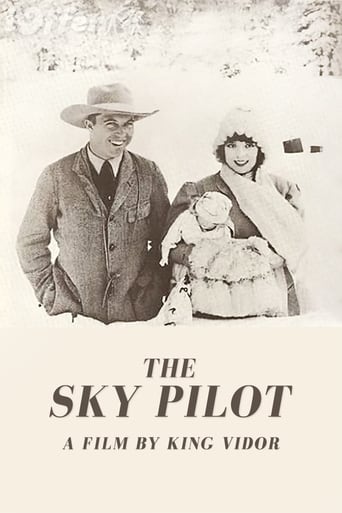
- Film debut in The Sky Pilot (1921)
- Regular appearances in Western serials throughout the 1920s
- Successful transition from silent films to talkies
- Prolific output with over 100 film appearances
- Work with major studios including Universal and Fox
Best Known For
Iconic Roles
Must-See Films
Working Relationships
Worked Often With
Studios
Why They Matter
Impact on Culture
Harry Todd contributed to the golden age of Hollywood Westerns during the silent era, helping establish the archetypal characters that would define the genre for decades. His work in serials and adventure films helped maintain audience engagement during the crucial transition period from silent to sound cinema. As a character actor, he represented the backbone of early Hollywood - the reliable performers who brought authenticity and depth to supporting roles. His filmography serves as a valuable record of the types of characters and stories that appealed to audiences of the 1920s. Todd's career trajectory also illustrates the challenges faced by many silent-era actors as the industry evolved toward the studio system of the 1930s.
Lasting Legacy
Harry Todd's legacy lies in his extensive body of work that spans a pivotal decade in cinema history. While never a star, his consistent presence in numerous films makes him an important figure for film historians studying the silent era and early sound period. His performances, particularly in Westerns, helped establish genre conventions that would influence countless future films. Todd represents the thousands of character actors who formed the foundation of early Hollywood, providing the essential supporting framework that allowed stars to shine. Film preservationists and classic cinema enthusiasts continue to discover and appreciate his contributions through restored versions of his surviving films.
Who They Inspired
As a character actor, Harry Todd influenced subsequent generations of performers specializing in supporting roles, particularly in the Western genre. His ability to convey authority and authenticity through minimal dialogue set a standard for character actors in genre films. Younger actors observing his work learned the importance of bringing depth to smaller roles and the value of reliability in the studio system. His successful transition from silent to sound films provided a model for other actors facing the same challenge. Todd's career demonstrated that character actors could achieve longevity and respect in Hollywood without achieving star status.
Off Screen
Harry Todd was married to actress Margaret Landis, with whom he occasionally appeared in films. The couple maintained their relationship throughout his film career, though details about their personal life remain limited due to the era's privacy norms. Todd was known among his contemporaries as a reliable professional who took his craft seriously despite often playing supporting roles. He was part of the tight-knit Hollywood community during the transition from silent films to talkies, witnessing firsthand the dramatic changes in the industry. His later years were spent away from the public eye following his retirement from acting.
Education
Limited formal education, likely typical of his era and social class
Family
- Margaret Landis (1920-1935, his death)
Did You Know?
- Appeared in over 100 films during his decade-long career
- Often played authority figures despite his relatively short stature
- Was married to actress Margaret Landis, who appeared in many of his films
- Successfully made the transition from silent films to talkies
- Specialized in Westerns and adventure serials
- Many of his films are now considered lost, a common fate for silent-era productions
- Worked with several of the biggest Western stars of the 1920s
- His final film appearances coincided with the full establishment of the Hollywood studio system
- Born during the American Civil War era, making him one of the older actors in early Hollywood
- Often without on-screen billing in his film appearances, typical for character actors of the period
Frequently Asked Questions
Who was Harry Todd?
Prolific American character with credits in this catalog. He appeared in over 100 films, primarily Westerns and adventure serials, often playing authority figures like sheriffs and judges.
What films is Harry Todd best known for?
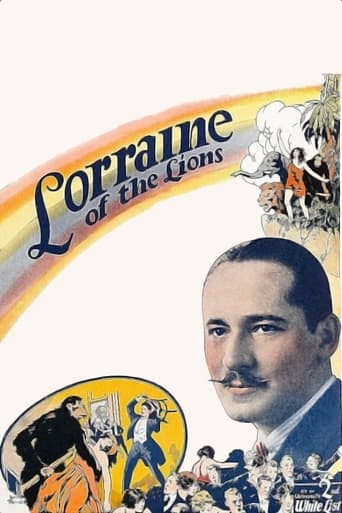
Titles linked here include The Sky Pilot (1921), Lorraine of the Lions (1925).
When was Harry Todd born and when did he die?
Born December 13, 1863; died March 15, 1935.
What awards did Harry Todd win?
Harry Todd did not receive any major awards or nominations during his career, which was typical for character actors of his era. His recognition came from his prolific work and reliability as a supporting performer.
What was Harry Todd's acting style?
Harry Todd specialized in portraying stern authority figures using a commanding presence and weathered appearance. In silent films, he used exaggerated expressions typical of the period, but adapted to more naturalistic performances in talkies, relying on his imposing stature to convey authority.