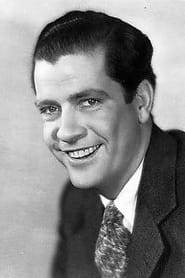
Grant Withers
Actor
Born: January 17, 1905 in Pueblo, Colorado, USA Died: March 27, 1959 Active: 1925-1959 Birth Name: Grant Cameron Withers
Films
7 films

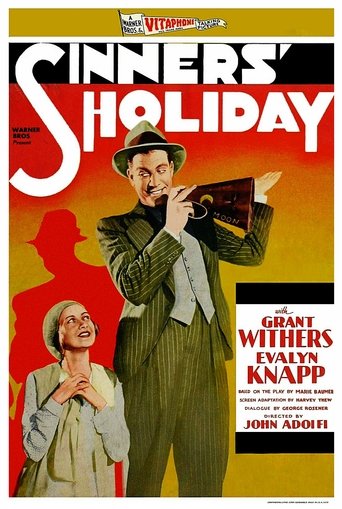
About Grant Withers
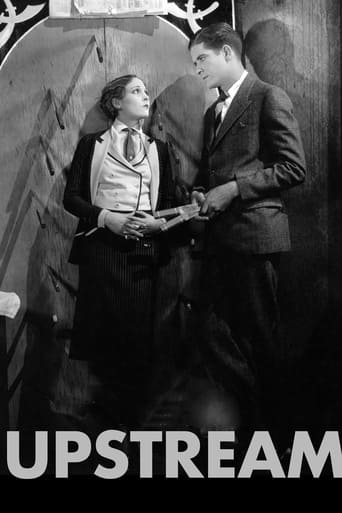
Prolific American actor: over three decades, from the silent era through the golden age of Hollywood. Born Grant Cameron Withers in Colorado, he began his film career in the mid-1920s and quickly established himself as a reliable leading man in B-movies and a capable supporting actor in major productions. He successfully transitioned from silent films to talkies, appearing in John Ford's early sound film 'Upstream' in 1927. Throughout the 1930s, he worked steadily for major studios including Warner Bros., Paramount, and Columbia Pictures, often playing the romantic lead or the dependable sidekick. His career peaked in the early 1930s with notable roles in films like 'The Public Enemy' (1931) and 'I Am a Fugitive from a Chain Gang' (1932). After a brief marriage to actress Loretta Young that ended in annulment, his career gradually declined, though he continued working in films and television until his death in 1959. With over 200 film credits to his name, he remains a familiar face to classic cinema enthusiasts who recognize his distinctive presence in countless films from Hollywood's formative years.
The Craft
On Screen
Withers possessed a natural, understated acting style that adapted well from silent films to talkies. He had a commanding presence and a distinctive voice that made him suitable for both leading and supporting roles. His performances were characterized by a straightforward, no-nonsense approach that made him believable as both romantic leads and tough characters. He excelled at playing the dependable everyman, bringing authenticity to his roles without excessive theatricality.
Milestones
- Film debut in silent films (1925)
- Appeared in 'The Public Enemy' (1931)
- Co-starred in 'I Am a Fugitive from a Chain Gang' (1932)
- Marriage and annulment to Loretta Young (1930-1931)
- Transition to character roles in the 1940s
- Television appearances in the 1950s
Best Known For
Iconic Roles
Must-See Films
Working Relationships
Worked Often With
Studios
Why They Matter
Impact on Culture
Grant Withers represents the quintessential Hollywood journeyman actor whose career mirrored the evolution of American cinema from silent films to television. His work in early gangster films contributed to the establishment of this genre as a significant force in 1930s cinema. His ability to transition between leading roles and character parts demonstrated the flexibility required of actors during Hollywood's studio system era. While never achieving star status, his consistent presence in hundreds of films made him a familiar face to movie audiences of his time.
Lasting Legacy
Grant Withers' legacy lies in his extensive filmography that serves as a valuable record of Hollywood's golden age. His performances in classic films like 'The Public Enemy' and 'I Am a Fugitive from a Chain Gang' ensure his place in cinema history, even if his name is not widely remembered by contemporary audiences. Film historians and classic cinema enthusiasts recognize him as an example of the reliable supporting actors who formed the backbone of Hollywood's studio system. His career trajectory from leading man to character actor reflects the typical path of many actors of his generation.
Who They Inspired
While not considered a major influence on other actors, Withers' naturalistic acting style and successful transition from silent to sound films provided a model for other actors facing similar challenges. His work in early gangster films helped establish conventions of the genre that would influence countless later films. His perseverance through career setbacks and personal struggles demonstrated the resilience required for longevity in Hollywood's competitive environment.
Off Screen
Grant Withers had a tumultuous personal life marked by his brief but highly publicized marriage to actress Loretta Young. The couple married in 1930 but their marriage was annulled in 1931, creating a scandal in Hollywood due to their Catholic faith. Withers struggled with alcoholism later in life, which contributed to his declining career opportunities. He married three times in total, with his other marriages being to actress Rochelle Hudson and later to Estelle Withers. His personal struggles often overshadowed his professional accomplishments, particularly in his later years.
Education
Limited formal education; left school early to pursue acting career
Family
- Loretta Young (1930-1931, annulled)
- Rochelle Hudson (1937-1940, divorced)
- Estelle Withers (1947-1959, until his death)
Did You Know?
- Appeared in over 200 films during his 34-year career
- Was originally considered for the lead role in 'The Public Enemy' before James Cagney was cast
- His marriage to Loretta Young was annulled after only 8 months
- Struggled with alcoholism in his later years
- Made his television debut in 1952 on 'The Adventures of Superman'
- Was a close friend of actor James Cagney
- Often played characters named 'Grant' in his films
- Served in the Army Air Corps during World War II
- Was typecast in Western films in the 1940s
- His final film appearance was in 'The Oregon Trail' (1959)
In Their Own Words
Acting is not about being famous, it's about becoming the character and telling the story
In Hollywood, you're only as good as your last picture
The transition from silent to sound wasn't as difficult for some of us who had stage experience
Frequently Asked Questions
Who was Grant Withers?
Screen credits include over 200 films from the silent era through the 1950s, known for his work in gangster films and Westerns, and his brief marriage to actress Loretta Young.
What films is Grant Withers best known for?
Titles linked here include Upstream (1927), The Public Enemy (1931).
When was Grant Withers born and when did he die?
Born January 17, 1905; died March 27, 1959.
What awards did Grant Withers win?
Grant Withers did not receive any major awards or nominations during his career, though he was a prolific and respected character actor in Hollywood for over three decades.
What was Grant Withers' acting style?
Grant Withers had a natural, understated acting style that transitioned well from silent films to talkies, characterized by authenticity and a straightforward approach that made him believable in both leading and supporting roles.