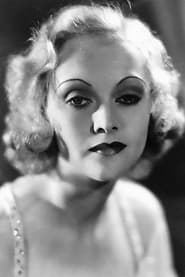
Sheila Terry
Actor
Born: October 5, 1910 in Warren, Pennsylvania, USA Died: January 19, 1957 Active: 1931-1935 Birth Name: Kathleen Doheny
Films
1 film
About Sheila Terry
Sheila Terry, born Kathleen Doheny, was an American actress who enjoyed a brief but notable career during Hollywood's Golden Age, primarily working in the early to mid-1930s. She began her film career after being discovered by talent scouts and quickly established herself as a reliable supporting actress in both dramatic and comedic roles. Terry appeared in over 40 films between 1931 and 1935, working with major studios including Warner Bros., Paramount Pictures, and Universal Pictures. She often played the sophisticated leading lady's friend, the femme fatale, or the romantic interest in B-movies and supporting roles in A-pictures. Her career peaked in the early 1930s when she appeared in several notable films alongside established stars of the era. After marrying businessman Edward B. Shulman in 1935, she retired from acting to focus on her personal life, making Society Fever (1935) one of her final film appearances. Despite her relatively short career, Terry left a lasting impression as a representative of the typical contract player system that dominated Hollywood during this period.
The Craft
On Screen
Sheila Terry was known for her naturalistic acting style that adapted well to the transition from silent films to talkies. She possessed a distinctive screen presence with her sophisticated demeanor and ability to portray both sympathetic and villainous characters. Her acting technique emphasized subtlety and realism, which was particularly valued in the early sound era where exaggerated silent film performances were becoming outdated. Terry excelled in delivering witty dialogue with perfect timing and often brought depth to otherwise one-dimensional supporting roles.
Milestones
- Signed contract with Warner Bros. In 1931
- Appeared in over 40 films in just 5 years
- Worked with major stars like James Cagney and Edward G. Robinson
- Transitioned from silent films to talkies successfully
- Retired at height of career to marry in 1935
Best Known For
Iconic Roles
Must-See Films
Working Relationships
Worked Often With
Studios
Why They Matter
Impact on Culture
Sheila Terry represents the archetype of the 1930s Hollywood contract player - talented, hardworking, and ultimately replaceable within the studio system. Her career trajectory exemplifies how many actresses of the era would work intensely for a few years before either fading into obscurity or choosing to leave the industry. Terry's filmography provides a valuable snapshot of the types of roles available to women in early sound cinema, particularly in supporting capacities. Her decision to retire at the peak of her career challenges the narrative that all Hollywood stars were desperate for fame and longevity, showing that some actors prioritized personal happiness over professional advancement.
Lasting Legacy
Though not a major star, Sheila Terry's legacy endures through her extensive filmography that serves as a time capsule of early 1930s Hollywood cinema. Her performances in films alongside legendary actors like James Cagney and Edward G. Robinson provide modern audiences with authentic examples of the acting styles and storytelling techniques of the early sound era. Film historians and classic cinema enthusiasts often cite her as an example of the talented supporting players who were essential to the success of Golden Age films but rarely received recognition. Her story also highlights the personal choices many actors made during this period, balancing career ambitions with traditional family values.
Who They Inspired
While Sheila Terry did not have a significant direct influence on other actors due to her relatively short career and early retirement, her work contributed to the development of acting techniques in early sound films. Her naturalistic approach to performance, which avoided the theatricality of silent cinema, helped pave the way for more realistic acting styles that would become standard in later decades. Contemporary actresses studying classic Hollywood performances can learn from Terry's ability to bring depth to supporting roles and her seamless adaptation to new film technologies.
Off Screen
Sheila Terry married businessman Edward B. Shulman in 1935, which led to her retirement from acting at the age of 25. The couple remained married until her death in 1957. After leaving Hollywood, Terry largely avoided the public eye and focused on her family life. She settled in New York where she and her husband raised their family. Her decision to retire at such a young age was unusual for the time, as many actresses continued working well into their later years.
Education
Information about her formal education is not well documented, though she likely attended local schools in Warren, Pennsylvania before moving to pursue her acting career.
Family
- Edward B. Shulman (1935-1957)
Did You Know?
- Her birth name was Kathleen Doheny, but she changed it to Sheila Terry for her film career
- She appeared in over 40 films in just five years, averaging more than 8 films per year
- She worked with both James Cagney and Edward G. Robinson multiple times
- Terry was only 25 years old when she retired from acting
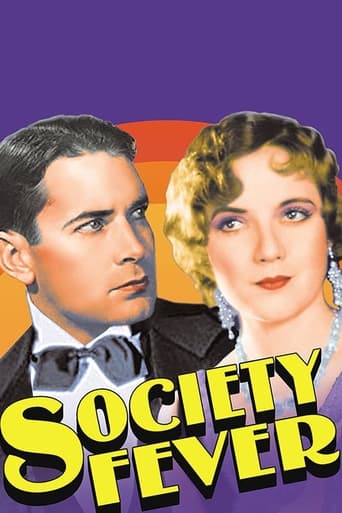
- Her final film, Society Fever (1935), was released the same year she married
- She was part of the Warner Bros. Contract player system during its golden era
- Many of her films are now considered lost, making her complete filmography difficult to trace
- She was known for her distinctive voice, which was well-suited for the new sound technology
- Terry often played characters older than her actual age, demonstrating her versatility
- Her retirement was considered unusual at the time, as she was at the height of her career
In Their Own Words
I'd rather be a happy wife than a famous actress any day.
Hollywood is a wonderful place to visit, but I wouldn't want to live there forever.
Being a contract player teaches you discipline and professionalism - lessons that serve you well in any career.
Frequently Asked Questions
Who was Sheila Terry?
American actress active in Hollywood during the early 1930s, appearing in over 40 films before retiring at age 25 to marry. She worked primarily as a contract player for major studios like Warner Bros. And Paramount, often in supporting roles alongside stars like James Cagney and Edward G. Robinson.
What films is Sheila Terry best known for?
Titles linked here include Society Fever (1935), The Big Shakedown (1934).
When was Sheila Terry born and when did she die?
Born October 5, 1910; died January 19, 1957.
What awards did Sheila Terry win?
Sheila Terry did not receive any major awards or nominations during her brief career. Like many contract players of her era, her contributions were primarily recognized through steady employment rather than formal accolades.
What was Sheila Terry's acting style?
Sheila Terry was known for her naturalistic acting style that adapted well to sound films, emphasizing subtlety and realism over the theatrical performances common in silent cinema. She excelled at witty dialogue delivery and brought depth to supporting roles, making her a valuable character actress during Hollywood's transition to talkies.
Why did Sheila Terry retire so young?
Sheila Terry retired from acting in 1935 at age 25 after marrying businessman Edward B. Shulman. She chose to prioritize her marriage and family life over her Hollywood career, a decision that was considered unusual at the time but reflected her personal values.
How many films did Sheila Terry appear in?
Sheila Terry appeared in over 40 films between 1931 and 1935, working at a remarkable pace of more than 8 films per year. Her extensive filmography demonstrates the demanding schedule of contract players during Hollywood's Golden Age.