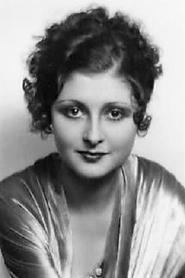
Marion Shilling
Actor
Born: June 3, 1910 in Denver, Colorado, USA Died: November 6, 2004 Active: 1929-1941 Birth Name: Marion Schilling
Films
2 films

About Marion Shilling
American actress who flourished during the transition from silent films to talkies in the early 1930s. Born in Denver, Colorado, she began her career after being discovered while working as a secretary in Hollywood. Shilling appeared in over 50 films between 1929 and 1941, establishing herself as a reliable supporting actress in various genres including westerns, dramas, and mysteries. She worked with major studios including Universal, Columbia, and Republic Pictures, often playing the romantic lead or supportive female character. Her career peaked in the early-to-mid 1930s when she appeared in several notable films alongside stars like John Wayne and Bela Lugosi. After marrying director Edward Dmytryk in 1935, she continued acting but gradually reduced her film appearances, eventually retiring from the industry in the early 1940s. Following her acting career, Shilling focused on her family and lived a relatively private life until her death at age 94 in 2004.
The Craft
On Screen
Marion Shilling was known for her naturalistic acting style that adapted well to the transition from silent films to talkies. She possessed a warm screen presence and often brought authenticity to her supporting roles, whether playing romantic interests, concerned friends, or rivals in melodramas. Her acting was characterized by subtle emotional expressions and clear diction, which made her particularly effective in the early sound era when many silent film actors struggled with the new medium.
Milestones
- Discovered while working as a secretary in Hollywood
- Appeared in over 50 films during her 12-year career
- Successfully transitioned from silent films to talkies
- Worked with major studios including Universal, Columbia, and Republic Pictures
- Appeared in several films with John Wayne
- Married director Edward Dmytryk during his early career
Best Known For
Iconic Roles
Must-See Films
Working Relationships
Worked Often With
Studios
Why They Matter
Impact on Culture
Marion Shilling represents the archetype of the reliable supporting actress who formed the backbone of Hollywood's studio system during its golden age. While never achieving stardom, her consistent performances across numerous films helped establish the emotional foundation of many B-movies and westerns that defined popular cinema in the 1930s. As part of the generation that successfully transitioned from silent films to talkies, she exemplifies the adaptability required of actors during this pivotal technological shift in film history. Her work in early sound westerns contributed to the development of the genre's conventions and helped establish the template for female characters in western narratives.
Lasting Legacy
Marion Shilling's legacy survives through the preservation of her films, which continue to be studied by film historians and enjoyed by classic cinema enthusiasts. Her career shows the countless working actors who, while not household names, were essential to the functioning of Hollywood's studio system. The films she appeared in, particularly her westerns with John Wayne and her mystery films, remain valuable artifacts of early sound cinema. Her marriage to Edward Dmytryk also connects her to.
Who They Inspired
While Marion Shilling did not directly mentor future generations of actors or leave a significant stylistic influence on cinema, her work exemplifies the professional standards and versatility required of character actors during the Golden Age of Hollywood. Her ability to adapt to various genres and work efficiently within the studio system set an example for the practical aspects of an acting career in classical Hollywood. Her films continue to serve as reference points for understanding the evolution of supporting female roles in early sound cinema, particularly in the western genre.
Off Screen
Marion Shilling married film director Edward Dmytryk in 1935, during the early phase of his directorial career. Their marriage lasted approximately ten years before ending in divorce around 1945. After her divorce from Dmytryk, she remarried and had children with her second husband, choosing to step away from her acting career to focus on family life. Despite being married to one of the Hollywood Ten during the period of the blacklist hearings, Shilling maintained a relatively low public profile throughout her life and rarely discussed her former Hollywood career in later years.
Education
Limited information available about her formal education, though she was working as a secretary when discovered for films
Family
- Edward Dmytryk (1935-1945)
- Second husband (married after 1945, name not widely documented)
Did You Know?
- She was discovered while working as a secretary in Hollywood
- She appeared in over 50 films during her 12-year career
- She dropped the 'c' from her birth surname 'Schilling' for her stage name
- She worked with John Wayne in several early westerns before he became a major star
- She was married to director Edward Dmytryk during his early career, before his blacklisting
- She appeared in The Phantom of the Opera (1925) as an extra in one of her earliest film appearances
- She successfully made the transition from silent films to talkies, something many of her contemporaries failed to do
- She retired from acting at the relatively young age of 31 to focus on family life
- She lived to be 94 years old, outliving most of her Hollywood contemporaries
- She often played the 'other woman' or romantic rival in her film roles
- She worked with horror icon Bela Lugosi in The Black Camel (1931)
- Her films are now considered valuable examples of early Hollywood B-movie production
In Their Own Words
No widely documented famous quotes from Marion Shilling, as she was not a major star who frequently gave interviews or made public statements
Frequently Asked Questions
Who was Marion Shilling?
American actress who worked in Hollywood during the early sound era, appearing in over 50 films between 1929 and 1941. She was primarily known for her supporting roles in westerns, dramas, and mystery films, working with major studios and stars like John Wayne. She retired from acting in the early 1940s to focus on family life.
What films is Marion Shilling best known for?
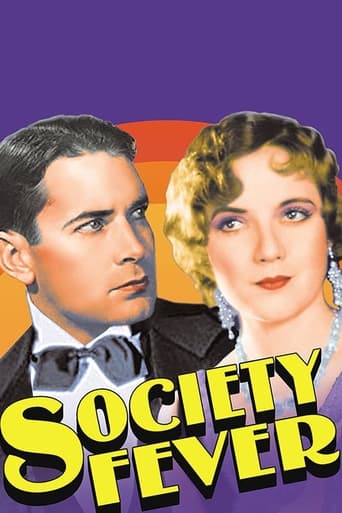
Titles linked here include Society Fever (1935), The Black Camel (1931).
When was Marion Shilling born and when did she die?
Born June 3, 1910; died November 6, 2004.
What awards did Marion Shilling win?
Marion Shilling did not receive any major awards or nominations during her acting career. Like many supporting actors of her era, her contributions to cinema were recognized through steady employment rather than formal accolades or industry recognition.
What was Marion Shilling's acting style?
Marion Shilling was known for her naturalistic acting style that adapted well to the transition from silent films to talkies. She brought authenticity to her supporting roles with subtle emotional expressions and clear diction, making her particularly effective in early sound films when many silent actors struggled with the new medium.
Was Marion Shilling married to anyone famous?
Yes, Marion Shilling was married to film director Edward Dmytryk from 1935 to approximately 1945. Dmytryk later became one of the Hollywood Ten during the McCarthy era blacklist hearings, though their marriage had ended before these events occurred.
Why did Marion Shilling retire from acting?
Marion Shilling retired from acting in the early 1940s at around age 31, primarily to focus on her family life after remarrying following her divorce from Edward Dmytryk. She chose to step away from her Hollywood career to raise her children and lived a relatively private life thereafter.