
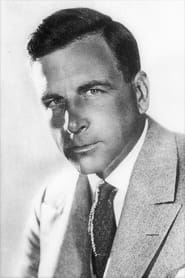
Milton Sills
Actor
Born: January 12, 1882 in Chicago, Illinois, USA Died: September 15, 1930 Active: 1914-1930 Birth Name: Milton George Gustavus Sills
Films
4 films
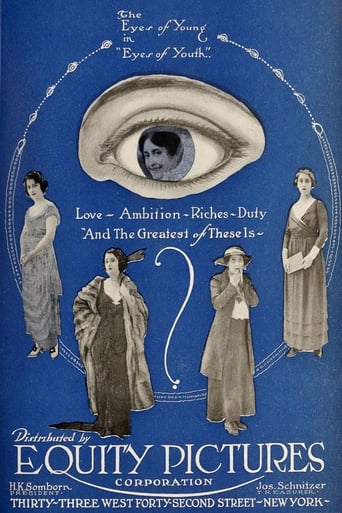

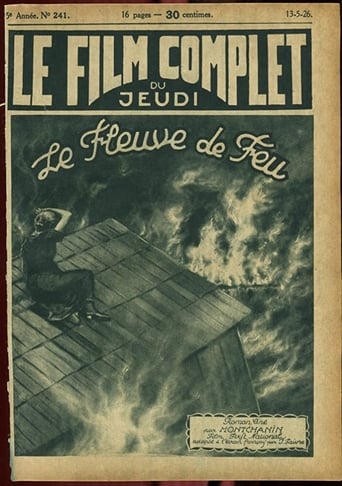
About Milton Sills
Milton Sills was and intellectual leading men of the silent film era, known for his sophisticated portrayals and commanding screen presence. After earning a PhD in psychology from the University of Chicago, he began his career on Broadway before making his film debut in 1914. Sills quickly rose to prominence as a leading man, particularly excelling in dramatic roles that showcased his ability to portray complex, often tormented characters with psychological depth. He was one of the founding members of the Academy of Motion Picture Arts and Sciences in 1927, demonstrating his commitment to elevating cinema as an art form. Sills successfully transitioned to sound films in the late 1920s, proving his versatility as an actor. His promising career was tragically cut short when he died of a heart attack in 1930 at the age of 48 while playing tennis, leaving behind a legacy as one of Hollywood's most respected and cultured stars of the silent era.
The Craft
On Screen
Known for his naturalistic and psychologically nuanced performances, Sills brought an intellectual depth to his roles that set him apart from many of his contemporaries. He avoided the exaggerated theatrical gestures common in early silent cinema, instead favoring subtle facial expressions and restrained body language. His background in psychology informed his character portrayals, allowing him to convey complex emotions and internal conflicts with remarkable authenticity. Sills was particularly adept at playing sophisticated, educated characters who often struggled with moral dilemmas or psychological turmoil.
Milestones
- Broadway stage career before films
- Leading man status in silent films
- Founding member of Academy of Motion Picture Arts and Sciences (1927)
- Successful transition to sound films
- One of the highest-paid actors of the 1920s
Best Known For
Iconic Roles
Must-See Films
Accolades
Special Recognition
- Founding member of the Academy of Motion Picture Arts and Sciences (1927)
- Star on the Hollywood Walk of Fame
Working Relationships
Worked Often With
Studios
Why They Matter
Impact on Culture
Milton Sills represented a new type of leading man in early Hollywood - the intellectual, sophisticated star who brought legitimacy to the acting profession. His academic background and scholarly approach to his craft helped elevate the status of film acting from mere entertainment to a respected art form. As one of the founding members of the Academy, Sills played a crucial role in establishing institutions that would shape the film industry for decades. His successful transition from stage to film, and then from silent to sound cinema, made him a model for other actors facing similar challenges. Sills' emphasis on psychological realism in his performances influenced the evolution of screen acting techniques, moving away from theatricality toward more naturalistic portrayals.
Lasting Legacy
Milton Sills' legacy is that of a figure who helped bridge the gap between the theater and cinema, and between silent and sound films. Though his career was cut short, his impact on the industry was significant, particularly through his role in establishing the Academy of Motion Picture Arts and Sciences. He is remembered as. His influence can be seen in the more naturalistic acting styles that became prevalent in the 1930s and beyond. Sills' tragic early death has cemented his status as a 'what might have been' figure in cinema history, with many historians speculating about the greater impact he might have had had he lived longer.
Who They Inspired
Sills influenced subsequent generations of actors through his naturalistic acting style and his scholarly approach to the craft. He demonstrated that film acting could be as intellectually demanding as stage performance, inspiring others to pursue deeper psychological authenticity in their work. His successful transition to sound films provided a model for other silent stars facing the talkies challenge. Sills' involvement in founding the Academy helped create institutional support for artistic excellence in cinema, influencing how the industry would recognize and reward achievement for decades to come.
Off Screen
Milton Sills was known as one of Hollywood's most cultured and intellectual stars, maintaining a reputation as a serious scholar and artist. He married actress Doris Kenyon in 1926, and the couple frequently co-starred in films together. Their marriage was considered one of Hollywood's happiest unions until his untimely death. Sills was also an accomplished author, writing several books on psychology and acting theory. His sudden death from a heart attack while playing tennis at the Los Angeles Tennis Club shocked the film industry and left his wife and young son devastated.
Education
University of Chicago (PhD in Psychology), Chicago School of Acting
Family
- Doris Kenyon (1926-1930)
Did You Know?
- Held a PhD in psychology from the University of Chicago before becoming an actor
- Was one of the founding members of the Academy of Motion Picture Arts and Sciences in 1927
- Wrote several books on psychology and acting theory
- Was one of the highest-paid actors in Hollywood during the 1920s
- Died suddenly of a heart attack while playing tennis at age 48
- Married actress Doris Kenyon in 1926 and they frequently co-starred together
- Was known for refusing to sign long-term studio contracts, preferring freelance work
- Spoke several languages fluently, including French and German
- Was an accomplished tennis player and member of the Los Angeles Tennis Club
- His death occurred just as he was reaching the peak of his career in sound films
In Their Own Words
Acting is not merely imitation but the truthful embodiment of a character's psychological reality
The camera is a truth-teller; it cannot be deceived by false emotions
Cinema must evolve beyond mere spectacle to become a medium for serious artistic expression
The transition from silent to sound films is not a challenge but an opportunity for greater artistic depth
Frequently Asked Questions
Who was Milton Sills?
American with credits in this catalog. He was one of the leading men of his time, a founding member of the Academy of Motion Picture Arts and Sciences, and successfully transitioned from silent to sound films before his untimely death in 1930.
What films is Milton Sills best known for?
Titles linked here include The Sea Hawk (1924), Miss Lulu Bett (1921).
When was Milton Sills born and when did he die?
Born January 12, 1882; died September 15, 1930.
What awards did Milton Sills win?
While Milton Sills did not receive major acting awards during his lifetime, his most significant honor was being one of the 36 founding members of the Academy of Motion Picture Arts and Sciences in 1927. He also received a star on the Hollywood Walk of Fame posthumously.
What was Milton Sills' acting style?
Milton Sills was known for his naturalistic and psychologically nuanced acting style, avoiding the exaggerated gestures common in early silent cinema. He brought intellectual depth to his roles, using subtle expressions and restrained body language to convey complex emotions, influenced by his background in psychology.
How did Milton Sills influence the film industry?
Milton Sills influenced the film industry through his role as a founding member of the Academy of Motion Picture Arts and Sciences, his naturalistic acting style that helped evolve screen performance techniques, and his successful demonstration of how stage actors could transition to film and then to sound cinema.