Films
1 film
About Margaret Loomis
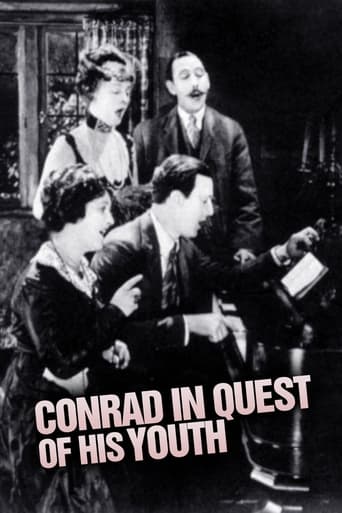
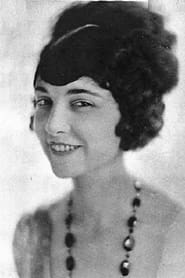
American actress of the silent era, primarily in the early 1920s. Her most notable and, as far as records show, only surviving film credit is the lead role in the 1920 drama 'Conrad in Quest of His Youth,' where she starred opposite the popular actor Thomas Meighan. The film, produced by Famous Players-Lasky and distributed by Paramount Pictures, was a significant production at the time, based on a novel by Leonard Merrick. Despite landing a leading role in a major studio picture, Loomis's film career appears to have been exceptionally brief, with no other credited roles discovered in major film databases. This suggests she may have been a stage actress who dabbled in film, or perhaps her career was cut short by the transition to sound or personal choice. Information about her life outside of this single film is extremely scarce, marking her as one of the many performers from the silent era whose legacy is tied to just one or two pictures. Her performance in 'Conrad' is all that remains to document her contribution to cinema history.
The Craft
On Screen
While specific critical reviews of her performance are scarce, as a leading lady in a 1920 drama, her acting style would have been typical of the silent era. This likely involved expressive gestures and facial emotions to convey the narrative to the audience without dialogue, focusing on melodramatic sincerity and visual storytelling to connect with viewers.
Milestones
- Starred as the female lead in the 1920 Paramount Pictures feature 'Conrad in Quest of His Youth' opposite Thomas Meighan.
Best Known For
Iconic Roles
Must-See Films
Working Relationships
Worked Often With
Studios
Why They Matter
Impact on Culture
Margaret Loomis's cultural impact is minimal and almost entirely confined to her role as a representative example of the many aspiring actresses who found brief fame in the silent era. Her work serves as a historical artifact, illustrating the casting processes and the types of performers who were given opportunities by major studios like Paramount during the peak of silent film production. She is part of the vast, forgotten tapestry of early cinema, a reminder that for every star who endured, countless others appeared in only a handful of films before fading from the public record.
Lasting Legacy
The legacy of Margaret Loomis is that of a cinematic enigma, preserved only through her single surviving film. She represents the transient nature of fame in early Hollywood, where a leading role in a major production did not guarantee a lasting career. Her primary legacy is the film 'Conrad in Quest of His Youth' itself, which stands as proof of her brief moment in the spotlight and serves as a key piece of evidence for her existence as a film actress for historians and silent film enthusiasts.
Who They Inspired
Given her extremely limited filmography and the obscurity surrounding her life and career, there is no documented evidence that Margaret Loomis influenced other actors or filmmakers. Her influence is negligible, and she is primarily studied as a subject of film history rather than as an artist who shaped the medium.
Off Screen
Very little is known about Margaret Loomis's personal life. The lack of biographical information, including birth and death dates, family details, or life outside of her single film credit, indicates she was not a major public figure and likely returned to private life after her brief foray into filmmaking.
Did You Know?
- Her entire known film career consists of a single credited role in 1920.
- Her only known film, 'Conrad in Quest of His Youth,' was based on a 1903 novel by Leonard Merrick.
- She starred opposite one of the era's biggest stars, Thomas Meighan, suggesting she was considered a promising talent at the time.
- The film was directed by William C. De Mille, the older brother of the director Cecil B. DeMille.
- Despite the high-profile nature of her only film, no other records of her acting career have been found.
- Her lack of a filmography beyond 1920 suggests she may have been one of many silent-era actors whose careers did not survive the transition to sound.
- She is often listed in filmographies as a 'one-hit wonder' of the silent screen.
Frequently Asked Questions
Who was Margaret Loomis?
American actress from the silent film era who is known for a single leading role. She starred opposite Thomas Meighan in the 1920 Paramount drama 'Conrad in Quest of His Youth,' but her career appears to have been exceptionally brief, with no other known film credits.
What films is Margaret Loomis best known for?
Titles linked here include Conrad in Quest of His Youth (1920).
When was Margaret Loomis born and when did she die?
Unfortunately, the birth and death dates for Margaret Loomis are not known. Biographical information about her life outside of her single film in 1920 is virtually nonexistent, making her one of the more obscure figures from Hollywood's silent period.
What awards did Margaret Loomis win?
There are no records of Margaret Loomis receiving any major awards or nominations for her work. Her brief career in 1920 predates the establishment of the Academy Awards, and she did not receive other known industry honors.
What was Margaret Loomis's acting style?
As a leading lady in a 1920 silent drama, her acting style would have been characteristic of the period. This would have relied heavily on expressive facial expressions and body language to convey emotion and tell the story to the audience without the use of spoken dialogue.