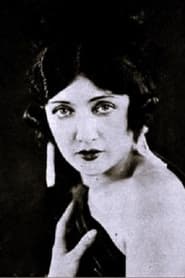
Shannon Day
Actor
Born: August 5, 1896 in New York City, New York, USA Died: February 24, 1977 Active: 1920-1925 Birth Name: Sylvia B. Day
Films
3 films
About Shannon Day
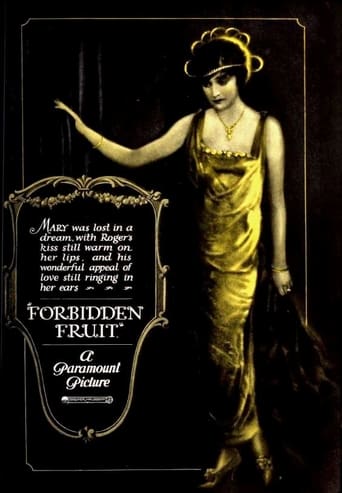
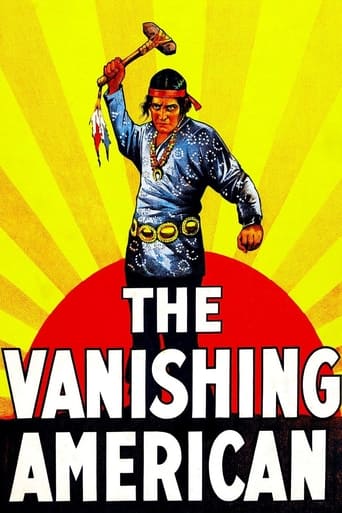
Prominent American silent film actress who rose to fame during the early 1920s. Born Sylvia B. Day in New York City, she began her acting career in 1920 and quickly established herself as a versatile performer capable of handling both dramatic and romantic roles. Her breakthrough came with her performance in Cecil B. DeMille's 'Forbidden Fruit' (1921), where she showcased her natural screen presence and emotional depth. Day's career peaked with her role as Marian Warner in 'The Vanishing American' (1925), one of the first major Hollywood films to address Native American issues. She married fellow actor James Kirkwood in 1925, which coincided with her retirement from the film industry. Despite her relatively brief career spanning only five years, Day left a lasting impression on silent cinema with her compelling performances and screen charisma. Her decision to retire at the height of her career has made her somewhat of a mysterious figure in Hollywood history.
The Craft
On Screen
Shannon Day was known for her naturalistic acting style that stood out in an era often characterized by exaggerated gestures and melodramatic performances. She possessed a subtle emotional intelligence that allowed her to convey complex feelings through nuanced facial expressions and controlled movements. Her screen presence was described as both ethereal and grounded, making her particularly effective in romantic and dramatic roles. Day's ability to adapt to the evolving demands of silent cinema demonstrated her versatility as an actress.
Milestones
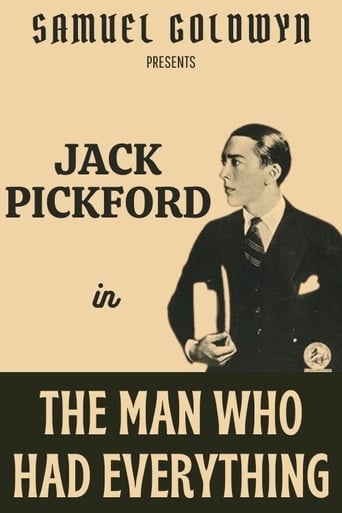
- Film debut in 'The Man Who Had Everything' (1920)
- Breakthrough role in Cecil B. DeMille's 'Forbidden Fruit' (1921)
- Starred in 'The Vanishing American' (1925), one of the first major films about Native American issues
- Married fellow actor James Kirkwood in 1925
- Retired from acting at the height of her career
Best Known For
Iconic Roles
Must-See Films
Working Relationships
Worked Often With
Studios
Why They Matter
Impact on Culture
Shannon Day's most significant cultural impact came through her role in 'The Vanishing American' (1925), which was groundbreaking for its sympathetic portrayal of Native American characters and issues. The film was one of the first major Hollywood productions to address the plight of Native Americans and sparked important conversations about representation in cinema. Day's performance as Marian Warner helped humanize the story and brought emotional depth to the narrative. Although her career was brief, her work contributed to the evolution of more sophisticated storytelling in silent films, particularly in how they addressed social issues.
Lasting Legacy
Shannon Day's legacy is that of a talented actress who made a significant impact in a short period. Her decision to retire at the height of her career has made her somewhat enigmatic in film history, with many wondering what more she might have accomplished. Her role in 'The Vanishing American' remains historically important as part of early Hollywood's attempts to address social issues. Day represents the many talented actresses of the silent era whose careers were cut short by marriage or the transition to sound films. Her natural acting style helped pave the way for more realistic performances in cinema.
Who They Inspired
While Shannon Day's direct influence on other actors is difficult to trace due to her brief career, her naturalistic acting style represented a shift away from the theatrical performances common in early cinema. Her work with Cecil B. DeMille helped demonstrate the effectiveness of subtler, more emotionally authentic performances in silent films. Day's ability to convey complex emotions without dialogue influenced how actresses approached dramatic roles in the mid-1920s. Her career choices, particularly her decision to retire for marriage, reflected and reinforced the era's expectations for women in Hollywood.
Off Screen
Shannon Day married actor and director James Kirkwood in 1925, which led to her retirement from the film industry. The marriage was significant as Kirkwood was a well-established figure in Hollywood, having directed numerous films and worked with major stars. Day chose to step away from her promising career to focus on her marriage, a decision that reflected the societal norms of the era. After retiring from acting, she largely remained out of the public eye, maintaining a private life away from Hollywood's spotlight. She spent her later years in Los Angeles, where she passed away in 1977 at the age of 80.
Education
Limited information available about her formal education, though she likely received training in dramatic arts before entering films
Family
- James Kirkwood (1925-1963, his death)
Did You Know?
- Her birth name was Sylvia B. Day, but she adopted 'Shannon' as her stage name
- She appeared in only 8 films during her entire career, all between 1920-1925
- Her final film 'The Vanishing American' was partially shot on location in Arizona
- She retired from acting immediately after marrying James Kirkwood in 1925
- Her stepson James Kirkwood Jr. Became a Pulitzer Prize-winning playwright, co-writing 'A Chorus Line'
- She was one of the few actresses of her era to retire voluntarily at the height of her popularity
- Her role in 'The Vanishing American' was one of the first sympathetic portrayals of a white woman involved with a Native American man
- She worked with legendary director Cecil B. DeMille on two separate occasions
- Despite her brief career, she was considered one of the more promising actresses of the early 1920s
- She never appeared in a sound film, making her exclusively a silent film actress
In Their Own Words
I found my happiness not in the glare of the studio lights, but in the quiet comfort of a loving home.
Regarding her retirement from acting)
The camera sees everything, especially what you try to hide. That's why honesty is the best policy on screen.
On acting technique)
Frequently Asked Questions
Who was Shannon Day?
American silent film actress active from 1920 to 1925, known for her roles in 'The Vanishing American' (1925) and 'Forbidden Fruit' (1921). Born Sylvia B. Day, she retired from acting after marrying director James Kirkwood in 1925, at the height of her career.
What films is Shannon Day best known for?
Titles linked here include The Vanishing American (1925), Forbidden Fruit (1921).
When was Shannon Day born and when did she die?
Born August 5, 1896; died February 24, 1977.
What awards did Shannon Day win?
Shannon Day did not receive any major awards or nominations during her brief career. This was common for many actors of the silent era, as the Academy Awards were not established until 1929, after her retirement.
What was Shannon Day's acting style?
Shannon Day was known for her naturalistic acting style that emphasized subtle emotional expression over the exaggerated gestures common in early silent films. She conveyed complex feelings through nuanced facial expressions and controlled movements, making her performances feel authentic and emotionally resonant.
Why did Shannon Day retire from acting?
Shannon Day retired from acting in 1925 after marrying director James Kirkwood. Her decision reflected the societal norms of the era, where many actresses left the film industry upon marriage. She chose to focus on her personal life rather than continue her promising career.
What was Shannon Day's impact on cinema?
Shannon Day's most significant impact came through her role in 'The Vanishing American' (1925), which was groundbreaking for its sympathetic portrayal of Native American issues. Her naturalistic acting style also contributed to the evolution of more realistic performances in silent cinema during the mid-1920s.