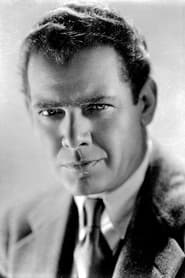
Charles Bickford
Actor
Born: January 1, 1891 in Cambridge, Massachusetts, USA Died: November 9, 1967 Active: 1929-1967 Birth Name: Charles Ambrose Bickford
Films
5 films
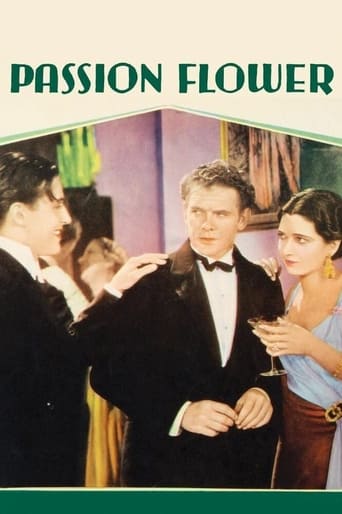
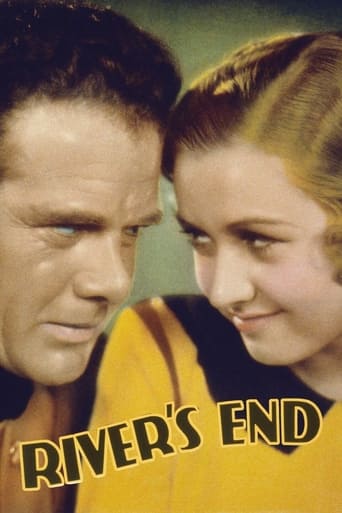
About Charles Bickford
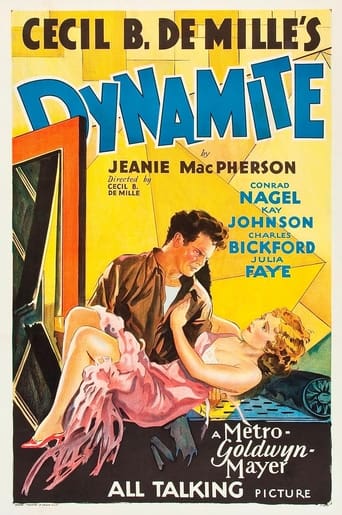
Towering figure in American cinema: four decades from the silent era through the Golden Age of Hollywood. Born in Cambridge, Massachusetts in 1891, he began his career as a lumberjack and professional baseball player before turning to acting on Broadway in the 1910s. His breakthrough came with his role in Cecil B. DeMille's 'Dynamite' (1929), which successfully transitioned him from stage to screen during the challenging transition to sound films. Throughout the 1930s, he established himself as a reliable leading man and character actor, known for his deep, resonant voice and imposing physical presence. Bickford's career flourished in the 1940s and 1950s with memorable performances in films like 'The Song of Bernadette' (1943), 'A Star is Born' (1954), and 'The Big Country' (1958). He received three Academy Award nominations for Best Supporting Actor, showcasing his remarkable versatility and staying power in an industry known for its fleeting stardom. In his later years, he successfully transitioned to television, starring in the popular series 'The Virginian' until his death in 1967, leaving behind a legacy as one of Hollywood's most dependable and respected character actors.
The Craft
On Screen
Bickford was known for his naturalistic, understated acting style that emphasized authenticity over theatricality. His deep, commanding voice and rugged, imposing presence made him particularly effective in roles requiring authority and gravitas. He specialized in playing complex, often morally ambiguous characters - from stern fathers and authority figures to world-weary men with hidden depths. Unlike many of his contemporaries, Bickford avoided melodramatic flourishes, instead delivering performances grounded in emotional truth and psychological realism. His ability to convey deep emotion through subtle facial expressions and measured delivery made him particularly adept at both dramatic and comedic roles.
Milestones
- Breakthrough role in Cecil B. DeMille's 'Dynamite' (1929)
- Academy Award nomination for 'The Song of Bernadette' (1943)
- Academy Award nomination for 'The Farmer's Daughter' (1947)
- Academy Award nomination for 'A Star is Born' (1954)
- Starred in 'The Big Country' (1958) with Gregory Peck
- Long-running role as Judge Garth in 'The Virginian' TV series (1962-1967)
Best Known For
Iconic Roles
Must-See Films
Accolades
Won
- Golden Globe Award for Best Supporting Actor - 'The Big Country' (1959)
- National Board of Review Award for Best Acting - 'The Song of Bernadette' (1943)
Nominated
- Academy Award nomination for Best Supporting Actor - 'The Song of Bernadette' (1944)
- Academy Award nomination for Best Supporting Actor - 'The Farmer's Daughter' (1948)
- Academy Award nomination for Best Supporting Actor - 'A Star is Born' (1955)
- Emmy Award nomination for Outstanding Continuing Performance by an Actor in a Leading Role - 'The Virginian' (1963)
Special Recognition
- Hollywood Walk of Fame star at 1620 Vine Street
- Inducted into the Western Performers Hall of Fame at the National Cowboy & Western Heritage Museum
Working Relationships
Worked Often With
Studios
Why They Matter
Impact on Culture
Charles Bickford's impact on American cinema extends far beyond his impressive filmography, as he helped define the archetype of the strong, morally complex supporting character that became a staple of Golden Age Hollywood. His ability to portray authority figures with both strength and vulnerability influenced generations of actors who followed, particularly in the Western genre where his performances in films like 'The Big Country' set a new standard for complex antagonists. Bickford's successful transition from silent films to talkies demonstrated remarkable adaptability during one of cinema's most challenging technological transitions, serving as a model for other actors facing similar challenges. His television work in 'The Virginian' helped bridge the gap between classic Hollywood and modern television, proving that established film stars could successfully transition to the small screen while maintaining their artistic integrity.
Lasting Legacy
Charles Bickford left an enduring legacy as one of Hollywood's most reliable and versatile character actors, with a career that exemplified longevity and consistency in an industry known for its volatility. His three Academy Award nominations for Best Supporting Actor over a span of more than a decade demonstrated his remarkable staying power and continued relevance in changing cinematic landscapes. Bickford's influence can be seen in the careers of later character actors like Lee Marvin and Charles Bronson, who similarly combined physical presence with emotional depth. His performances continue to be studied by actors and film scholars for their naturalism and restraint, representing a counterpoint to the more theatrical acting styles prevalent during much of his career. The preservation of his films, particularly his work with directors like Cecil B. DeMille and William A. Wellman, ensures that future generations can appreciate his contributions to American cinema.
Who They Inspired
Bickford's influence on subsequent generations of actors is evident in the way many modern performers approach supporting roles - treating them not as secondary to leads but as essential components of storytelling with their own dramatic arcs and psychological complexity. His naturalistic acting style, which rejected the exaggerated gestures common in early sound cinema, helped pave the way for the method acting movement that would dominate Hollywood in the 1950s and beyond. Younger actors frequently cited his ability to convey deep emotion through minimal means as an inspiration, particularly his mastery of the subtle glance or quiet delivery that could convey volumes about character motivation. His successful television career demonstrated that film actors could maintain their dignity and artistic standards while working in the newer medium, influencing many of his contemporaries to make similar transitions.
Off Screen
Charles Bickford married Beatrice Ursula Allen in 1929, and their marriage lasted until her death in 1965. The couple had two children: a daughter, Doris, and a son, Arthur. Despite his tough on-screen persona, Bickford was known as a devoted family man who maintained a relatively private personal life away from Hollywood's social scene. He was an avid outdoorsman who enjoyed hunting and fishing, often retreating to his ranch in California's San Fernando Valley between film projects. After his wife's death, Bickford continued working until his own death from a blood infection in 1967, just two years after completing his final film.
Education
Attended Cambridge Rindge and Latin School, left after completing elementary education to work various jobs including lumberjack and professional baseball player
Family
- Beatrice Ursula Allen (1929-1965)
Did You Know?
- Before becoming an actor, Bickford worked as a lumberjack, professional baseball player, and engineer
- He was kicked out of his home at age 11 after a fight with his father and lived on his own from that age
- During the filming of 'Dynamite' (1929), he was nearly killed when a prop explosion went wrong
- Bickford was known for his temper on set and once punched director John Ford during a disagreement
- He turned down the lead role in 'Stagecoach' (1939) that eventually went to John Wayne
- Despite his tough guy image, Bickford — accomplished poet and writer
- He was a close friend of fellow actor John Carradine and the two often performed Shakespeare together
- Bickford was one of the few actors who successfully worked with both Cecil B. DeMille and John Ford, two directors known for their difficult personalities
- He was an accomplished horseman and performed most of his own stunts in Western films
- Bickford's voice was so distinctive that he was frequently used as a narrator for documentaries and educational films
In Their Own Words
I'm not a star. I'm an actor. Stars are people who live in fairyland. I live in the real world.
The secret of acting is sincerity. If you can fake that, you've got it made.
I never wanted to be a leading man. Leading men have to be handsome and charming. I'd rather be interesting.
Hollywood is a place where they'll pay you a thousand dollars for a kiss and fifty cents for your soul.
I've played every kind of character you can imagine, from saints to sinners. The trick is to find the humanity in all of them.
Frequently Asked Questions
Who was Charles Bickford?
Prominent American with credits in this catalog. Known for his deep voice, imposing presence, and naturalistic acting style, he appeared in over 100 films and received three Academy Award nominations for Best Supporting Actor.
What films is Charles Bickford best known for?
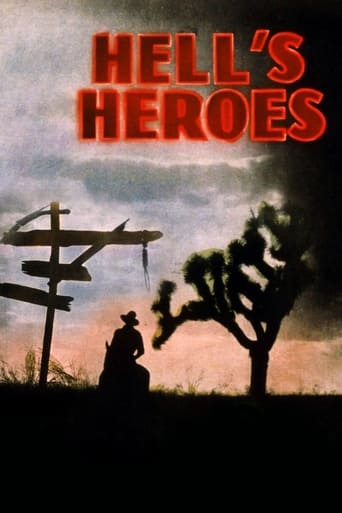
Titles linked here include Dynamite (1929), Hell's Heroes (1930).
When was Charles Bickford born and when did he die?
Born January 1, 1891; died November 9, 1967.
What awards did Charles Bickford win?
Bickford won a Golden Globe Award for Best Supporting Actor for 'The Big Country' (1959) and received three Academy Award nominations for Best Supporting Actor. He also earned an Emmy nomination for his work on 'The Virginian' television series.
What was Charles Bickford's acting style?
Bickford was known for his naturalistic, understated acting style that emphasized authenticity over theatricality. His deep voice and imposing presence made him effective in authority roles, while his ability to convey emotion subtly made him versatile across genres.
How did Charles Bickford get started in acting?
After working various jobs including lumberjack and professional baseball player, Bickford began acting on Broadway in the 1910s. His breakthrough came when Cecil B. DeMille cast him in 'Dynamite' (1929), successfully transitioning him to films during the sound era.
What was Charles Bickford's personal life like?
Bickford married Beatrice Ursula Allen in 1929, and they remained married until her death in 1965. They had two children, Doris and Arthur. Despite his tough on-screen persona, he was known as a devoted family man who enjoyed outdoor activities and maintained a relatively private life away from Hollywood.