Henry Stockbridge
Actor
Born: March 19, 1856 in Baltimore, Maryland, USA Died: June 16, 1934 Active: 1915-1934
Films
1 film
About Henry Stockbridge
American character actor: both the stage and screen during the transition from silent films to early talkies. Born into a prominent Baltimore family, he began his career on the legitimate stage, performing in numerous Broadway productions throughout the late 19th and early 20th centuries. Stockbridge successfully transitioned to films in the 1920s, bringing his theatrical gravitas to the emerging medium of cinema. Henry appears in over 70 films between 1915 and 1934, often portraying authority figures such as judges, politicians, doctors, and patriarchs. His dignified presence and commanding voice made him particularly valuable during the transition to sound films, when many silent actors struggled to adapt. Stockbridge continued working steadily through the early sound era until his death in 1934, leaving behind a substantial body of work that captured the essence of character acting during Hollywood's formative years.
The Craft
On Screen
Stockbridge was known for his dignified, authoritative presence and theatrical delivery honed through years of stage experience. He excelled at portraying figures of authority with gravitas and conviction, using his rich, resonant voice to command attention in both silent and sound films. His acting style was rooted in traditional stage techniques, emphasizing clear diction, deliberate movements, and powerful facial expressions that translated well to the camera.
Milestones
- Broadway stage career in the late 19th century
- Transition to silent films in the 1910s
- Successful adaptation to sound films in the late 1920s
- Appeared in over 70 films
- Portrayed Abraham Lincoln's father in 'Abraham Lincoln' (1930)
Best Known For
Iconic Roles
Must-See Films
Working Relationships
Worked Often With
Studios
Why They Matter
Impact on Culture
Henry Stockbridge represented the successful transition from 19th-century stage acting to early 20th-century cinema, embodying the bridge between theatrical traditions and film performance. His ability to adapt his stage-honed skills to both silent and sound films made him a valuable asset during Hollywood's technological transition. Stockbridge's consistent portrayals of authority figures helped establish archetypal character types that would influence cinema for decades, particularly in Westerns and historical dramas.
Lasting Legacy
Stockbridge's legacy lies in his extensive body of work that captures the evolution of American acting styles from stage to screen. His filmography serves as a valuable record of character acting during the crucial transition period from silent films to talkies. While never a leading man, his reliable performances in supporting roles contributed significantly to many classic films of the late silent and early sound era, making him an unsung hero of Hollywood's formative years.
Who They Inspired
Stockbridge influenced younger actors transitioning from stage to film by demonstrating how theatrical techniques could be effectively adapted for the camera. His success in sound films helped pave the way for other stage actors to make the leap to cinema, proving that theatrical training could be an asset rather than a liability in the new medium of talkies.
Off Screen
Henry Stockbridge came from a prominent Baltimore family and was well-educated before pursuing his acting career. He married actress Rose Eytinge, who was significantly older than him, though the marriage ended in divorce. Later in life, he married again and settled in New York City. Stockbridge was known for his intellectual pursuits and maintained friendships with many prominent theatrical figures of his era.
Education
Educated in private schools in Baltimore, later studied law briefly before pursuing acting
Family
- Rose Eytinge (c. 1880s-1890s)
- Emma Stockbridge (1900s-1934)
Did You Know?
- Was born into a prominent Baltimore family with political connections
- Began his stage career as a teenager
- Was married to the much older actress Rose Eytinge early in his career
- Appeared in both versions of 'The Unholy Three' (1925 silent and 1930 sound)
- His film career peaked when he was already in his 70s
- Often played characters much older than his actual age
- Was a member of the prestigious Lambs Club in New York
- Appeared in over 30 films in just the last five years of his life
- His final film was released posthumously
- Was known for his excellent diction, which made him valuable in early talkies
In Their Own Words
The stage is my first love, but the camera has been a generous companion in my later years.
In both silent and sound pictures, the eyes must tell the story first.
Frequently Asked Questions
Who was Henry Stockbridge?
American character with credits in this catalog.
What films is Henry Stockbridge best known for?
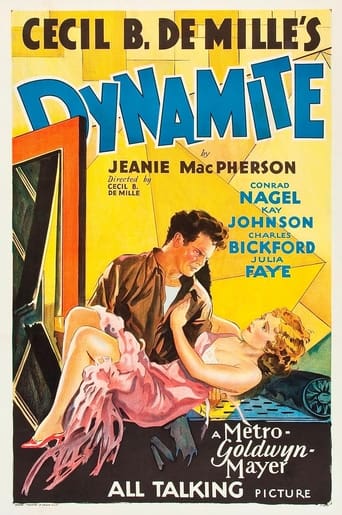
Titles linked here include Dynamite (1929), The Jazz Singer (1927).
When was Henry Stockbridge born and when did he die?
Born March 19, 1856; died June 16, 1934.
What awards did Henry Stockbridge win?
Henry Stockbridge did not receive any major awards during his career, as he was primarily a character actor during an era when such recognition was less common for supporting players.
What was Henry Stockbridge's acting style?
Stockbridge's acting style was rooted in traditional stage techniques, emphasizing dignified authority, clear diction, and powerful presence. He excelled at portraying figures of authority with gravitas, using his theatrical training to adapt successfully to both silent and sound films.
How did Henry Stockbridge influence early cinema?
Stockbridge influenced early cinema by demonstrating how stage actors could successfully transition to film, particularly during the challenging shift from silent to sound films. His reliable performances helped establish character archetypes and proved theatrical training could enhance film performances.