Kay Johnson
Actor
Born: November 15, 1904 in Mount Vernon, New York, USA Died: November 17, 1975 Active: 1929-1934 Birth Name: Katherine Johnson
Films
5 films

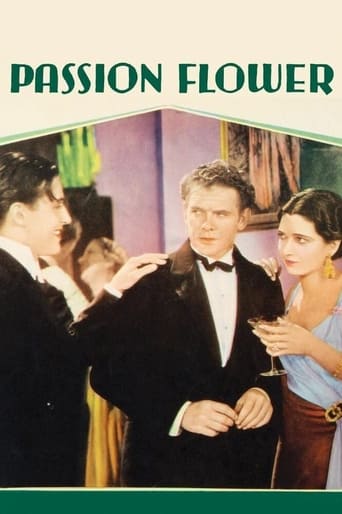
About Kay Johnson
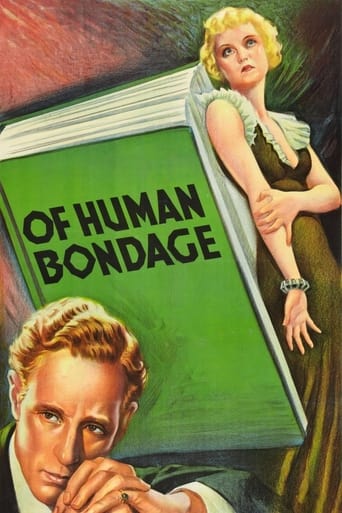
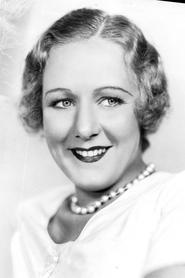
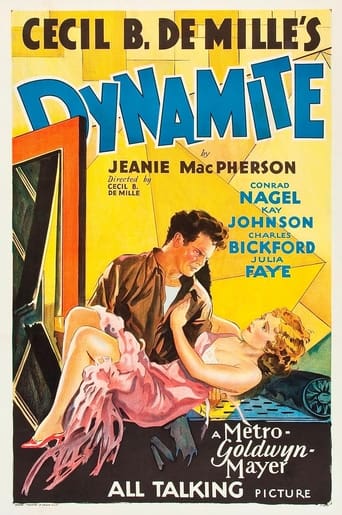
American actress who emerged during Hollywood's pivotal transition from silent films to talkies in the late 1920s. Born Katherine Johnson in Mount Vernon, New York, she studied at the American Academy of Dramatic Arts and began her career on Broadway before being discovered by MGM. Her film debut came in Cecil B. DeMille's first sound film, 'Dynamite' (1929), which immediately established her as a promising new talent capable of handling the technical demands of early sound cinema. Johnson's most memorable performance came as Norah in the critically acclaimed 'Of Human Bondage' (1934), where she held her own alongside Leslie Howard and a young Bette Davis. Her career was relatively brief but significant, spanning the crucial early years of sound film when many actors struggled to adapt. Johnson married director John Cromwell in 1928, and after giving birth to their son James in 1940, she largely retired from acting to focus on family life. Though her time in Hollywood was short, her work exemplified the new acting techniques required by sound cinema and contributed to the development of more naturalistic performances that would define Hollywood's Golden Age.
The Craft
On Screen
Kay Johnson was known for her refined, sophisticated presence and her ability to handle both dramatic and comedic material with equal skill. As a stage-trained actress, she brought theatrical technique to her film performances, which was particularly valuable during the challenging transition from silent films to talkies when many actors struggled with dialogue delivery. Her style was characterized by clear diction, emotional expressiveness appropriate for the early sound era, and a naturalistic approach that helped bridge the gap between the exaggerated acting of silent films and the more subtle performances that would become standard in later Hollywood productions. Johnson's vocal technique and stage presence made her particularly well-suited for the technical demands of early sound recording, allowing her to deliver lines with clarity while maintaining emotional authenticity.
Milestones
- Film debut in Cecil B. DeMille's first sound film 'Dynamite' (1929)
- Memorable performance as Norah in 'Of Human Bondage' (1934)
- Contract player with MGM during the early sound era
- Marriage to acclaimed director John Cromwell
- Stage training at American Academy of Dramatic Arts
Best Known For
Iconic Roles
Must-See Films
Working Relationships
Worked Often With
Studios
Why They Matter
Impact on Culture
Kay Johnson represents an important transitional figure in Hollywood history, embodying the challenges and opportunities faced by stage-trained actors as the film industry moved from silent pictures to sound. Her ability to successfully navigate this transition demonstrated the growing importance of theatrical training in cinema, as actors now needed to master dialogue delivery alongside visual performance. While her career was relatively brief, her work in films like 'Dynamite' and 'Of Human Bondage' contributed to the development of more naturalistic acting styles that would become standard in Hollywood's Golden Age. Johnson's career trajectory—from stage to early sound films to early retirement—exemplifies the experiences of many talented actors of her era who helped bridge the gap between theatrical and cinematic performance traditions.
Lasting Legacy
Kay Johnson's legacy lies primarily in her role as a bridge between silent film acting techniques and the more nuanced performances required by sound cinema. Her successful transition from stage to screen during this pivotal period in film history exemplifies the adaptation skills required of actors during Hollywood's technological evolution. While she did not achieve lasting stardom, her performances in notable films of the early 1930s remain valuable examples of the acting styles and techniques that helped define early sound cinema. Perhaps most significantly, her legacy continues through her son James Cromwell, who has become one of Hollywood's most respected character actors, bringing the family's theatrical tradition into the 21st century and ensuring that the Johnson-Cromwell name remains prominent in film history.
Who They Inspired
As a stage-trained actress who successfully transitioned to film during the sound revolution, Kay Johnson helped demonstrate the value of theatrical training in cinema at a time when many silent film stars struggled to adapt. Her clear diction and emotional expressiveness provided a model for other actors making the transition to sound. While she was not a major star who influenced generations of performers directly, her work contributed to the development of acting techniques that would become standard in Hollywood. Her influence is perhaps most evident in her son James Cromwell's successful acting career, which carries forward the family's commitment to theatrical performance in film and demonstrates how the skills and values of one generation can inform and inspire the next.
Off Screen
Kay Johnson married director John Cromwell in 1928, connecting her to one of Hollywood's most respected directing families. The couple had one son together, James Cromwell, who would later become a successful actor known for roles in films like 'Babe' and 'L.A. Confidential.' Johnson largely retired from acting after her marriage, choosing to focus on her family life rather than pursuing a long-term film career. Her marriage to Cromwell ended in divorce in 1946, after which she married Dr. Frank P. Jones. Johnson spent her later years away from the Hollywood spotlight, living a more private life until her death in 1975 at the age of 71.
Education
American Academy of Dramatic Arts - studied acting and theatrical performance, which provided the foundation for her successful transition from stage to screen during the early sound era
Family
- John Cromwell (1928-1946)
- Dr. Frank P. Jones (1946-1975)
Did You Know?
- 'Dynamite' (1929), her film debut, was director Cecil B. DeMille's first sound film
- She was discovered by MGM while performing on Broadway
- Her son James Cromwell has been nominated for an Academy Award for his role in 'Babe' (1995)
- She retired from acting relatively early in her career to focus on family life
- Her marriage to director John Cromwell connected her to one of Hollywood's most prominent directing families
- She was one of many stage-trained actors who successfully transitioned to film during the early sound era
- 'Of Human Bondage' (1934) was one of her final film roles before largely retiring from acting
- Despite her brief career, she worked with some of Hollywood's most respected directors of the era
- She studied at the prestigious American Academy of Dramatic Arts
- Her clear diction and vocal technique made her particularly well-suited for early sound films
Frequently Asked Questions
Who was Kay Johnson?
American actress active during the transition from silent films to talkies in the late 1920s and early 1930s. She is best known for her roles in 'Dynamite' (1929) and 'Of Human Bondage' (1934), and was married to director John Cromwell.
What films is Kay Johnson best known for?
Titles linked here include Dynamite (1929), Of Human Bondage (1934).
When was Kay Johnson born and when did she die?
Born November 15, 1904; died November 17, 1975.
What awards did Kay Johnson win?
Kay Johnson did not receive any major awards or nominations during her career, which was not uncommon for supporting actresses of her era unless they received Academy Award recognition.
What was Kay Johnson's acting style?
Kay Johnson's acting style was characterized by refined sophistication, clear diction, and emotional expressiveness that made her particularly well-suited for early sound films. Her stage training brought theatrical technique to her performances, helping bridge the gap between silent film exaggeration and the naturalistic style that would later dominate Hollywood.
Was Kay Johnson married and did she have children?
Yes, Kay Johnson married director John Cromwell in 1928, and they had one son, James Cromwell, who became a successful actor. After divorcing Cromwell in 1946, she married Dr. Frank P. Jones.
Why did Kay Johnson's career end so early?
Kay Johnson largely retired from acting in the mid-1930s to focus on her family life after marrying director John Cromwell. This was not uncommon for actresses of her era who chose to prioritize marriage and motherhood over continuing their film careers.
What was Kay Johnson's connection to director John Cromwell?
Kay Johnson married director John Cromwell in 1928, connecting her to one of Hollywood's respected directing families. Cromwell was an established director who had previously been married to actress Marie Blake, and their marriage lasted until 1946.