
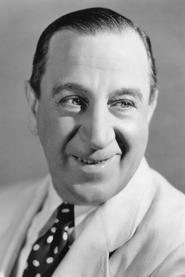
Hugh Herbert
Actor
Born: August 10, 1884 in Binghamton, New York, USA Died: March 12, 1952 Active: 1929-1952
Films
2 films
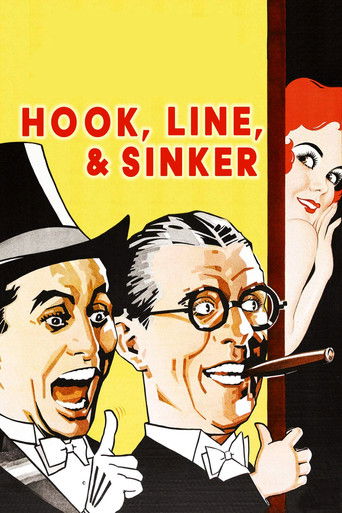
About Hugh Herbert
Distinctive American comic actor: from vaudeville through Hollywood's Golden Age. Born in 1884, he began his entertainment career in burlesque and vaudeville before transitioning to films in the late 1920s. Herbert developed a unique comedic persona characterized by his eccentric mannerisms, fluttering hands, and signature 'woo-woo' catchphrase that became his trademark throughout the 1930s and 1940s. He found great success at Warner Bros. Studios where he appeared in numerous comedies and musicals, often playing befuddled, upper-class gentlemen or eccentric professors. His career peaked in the mid-1930s when he was one of the studio's most reliable character comedians, appearing in supporting roles alongside stars like Bette Davis, James Cagney, and the Marx Brothers. Despite typecasting, Herbert managed to bring genuine warmth and humanity to his characters, making them memorable even in small roles. He continued working steadily through the 1940s, appearing in over 100 films before his death in 1952, leaving behind a legacy as one of Hollywood's most recognizable character actors.
The Craft
On Screen
Hugh Herbert's acting style was highly distinctive and immediately recognizable, characterized by his rapid-fire delivery, nervous energy, and physical comedy. He specialized in playing befuddled, eccentric characters - often wealthy gentlemen, professors, or officials who were completely out of their depth. His trademark gestures included fluttering his hands, adjusting his tie nervously, and delivering his famous 'woo-woo' exclamation at moments of confusion or excitement. Herbert's comedy was built on the contrast between his characters' attempted dignity and their complete incompetence, creating humor through the gap between appearance and reality. Despite the broadness of his comedy, he brought a certain sweetness and vulnerability to his characters that made them endearing rather than merely ridiculous.
Milestones
- Transition from vaudeville to Hollywood films in late 1920s
- Signed contract with Warner Bros. In early 1930s
- Developed signature 'woo-woo' catchphrase and eccentric mannerisms
- Appeared in over 100 films during his 23-year film career
- Became one of Hollywood's most recognizable character comedians
Best Known For
Iconic Roles
Must-See Films
Accolades
Special Recognition
- Hollywood Walk of Fame star
Working Relationships
Worked Often With
Studios
Why They Matter
Impact on Culture
Hugh Herbert made a significant impact on American comedy through his creation of a completely original comic persona that was instantly recognizable to audiences of the 1930s and 1940s. His 'woo-woo' catchphrase became part of the popular culture lexicon and was often imitated by other comedians and regular people. Herbert represented a particular style of comedy that emphasized character over punchlines, using physical comedy and vocal tics to create humor. His success as a character actor helped establish the importance of supporting players in Hollywood films, showing that well-developed comic relief could significantly enhance a film's entertainment value. Herbert's work also reflected the transition from vaudeville-style comedy to more film-appropriate comedic techniques, bridging the gap between stage and screen performance styles.
Lasting Legacy
Hugh Herbert's legacy endures as. His influence can be seen in later comedians who developed signature catchphrases and physical mannerisms, from Jerry Lewis to Jim Carrey. Film historians and classic movie enthusiasts continue to appreciate Herbert's unique contribution to comedy, noting how he managed to create memorable characters even in relatively small roles. His performances serve as valuable examples of character acting technique, demonstrating how consistent comedic choices can create a lasting impression. Herbert's work also represents an important chapter in the history of Warner Bros. Studios, where he was part of the roster of character actors that gave the studio its distinctive personality during the 1930s and 1940s.
Who They Inspired
Hugh Herbert influenced generations of comedians through his demonstration of how a consistent, well-developed comic persona could sustain a long career. His technique of combining verbal catchphrases with physical comedy became a template for many later comedians. Character actors in subsequent decades often drew inspiration from Herbert's ability to make even minor roles memorable through distinctive mannerisms and delivery. His work also influenced the development of comic supporting roles in films, showing how effective character comedy could enhance both comedies and dramatic films. Herbert's success proved that audiences would respond positively to actors who developed and maintained a consistent comic identity throughout their careers.
Off Screen
Hugh Herbert was married to Rosetta Kendrick, and their marriage lasted until his death in 1952. The couple had one daughter together. Herbert was known in Hollywood circles as a gentle, unassuming man who was quite different from the frantic characters he portrayed on screen. He was well-liked by his colleagues and was known for his professionalism and reliability on set. Despite his success in films, Herbert remained somewhat private about his personal life and rarely gave interviews about his background or family.
Education
Limited information available about his formal education
Family
- Rosetta Kendrick (1910-1952)
Did You Know?
- His famous 'woo-woo' catchphrase was ad-libbed during a film and became so popular that it was written into his subsequent roles
- Before becoming an actor, Herbert worked as a newspaper reporter in Binghamton, New York
- He began his entertainment career in burlesque and vaudeville circuits in the 1910s
- Herbert appeared in over 100 films during his Hollywood career
- His distinctive hand-fluttering gesture became so famous that it was often imitated by other comedians
- He was one of the few actors to successfully transition from silent films to talkies without changing his basic style
- Herbert often played characters who were more intelligent than they appeared, adding depth to his comic roles
- He was a favorite of director Busby Berkeley, who cast him in several of his musical films
- Despite his comic image, Herbert was known for his serious approach to his craft and extensive preparation for roles
- His final film appearance was in 'The Story of Will Rogers' (1952), released the year he died
In Their Own Words
"Woo-woo!" (signature catchphrase, usually delivered in moments of confusion or excitement)
"My dear lady, you seem to be under a considerable misapprehension!" (typical line reflecting his character's attempted dignity)
"I say, I say! This is most irregular!" (expressing his characters' discomfort with chaotic situations)
Frequently Asked Questions
Who was Hugh Herbert?
American comic with credits in this catalog. He appeared in over 100 films and was one of Hollywood's most recognizable character actors during the Golden Age.
What films is Hugh Herbert best known for?
Titles linked here include The Palm Beach Story (1942), The Great Ziegfeld (1936).
When was Hugh Herbert born and when did he die?
Born August 10, 1884; died March 12, 1952.
What awards did Hugh Herbert win?
Despite his long and successful career, Hugh Herbert did not receive any major acting awards. However, he was honored with a star on the Hollywood Walk of Fame in recognition of his contributions to film.
What was Hugh Herbert's acting style?
Herbert's acting style was characterized by rapid-fire delivery, nervous energy, and distinctive physical comedy including hand-fluttering gestures. He specialized in playing befuddled, eccentric characters and was famous for his 'woo-woo' catchphrase, creating a unique comic persona that was instantly recognizable to audiences.