
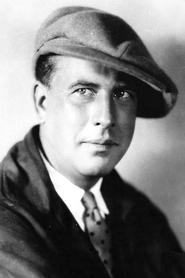
George B. Seitz
Director
Born: January 1, 1888 in Boston, Massachusetts, USA Died: March 8, 1944 Active: 1910s-1940
Films
3 films
About George B. Seitz
American film director, screenwriter, producer, and former playwright who became prolific and dependable craftsmen of the silent and early sound eras. Born in Boston, Massachusetts, he began his career in the theater and moved into motion pictures in the 1910s, quickly establishing himself as a filmmaker who could handle action, adventure, serials, and literary adaptations with equal efficiency. By the 1920s he was especially well known for fast-moving entertainment aimed at mass audiences, including major silent productions such as The Eagle's Wing, Into the Net, and The Vanishing American. He made a successful transition into sound cinema and remained an active studio director through the 1930s, helming commercially popular pictures such as Danger Lights and later contributing to franchise filmmaking, including entries in the Andy Hardy series. Seitz was not typically an avant-garde stylist, but he was valued for professionalism, narrative clarity, and the ability to deliver polished commercial pictures on schedule. His career reflects the work of a solid studio-era director whose films helped define mainstream American popular cinema across the transition from silent film to talkies. He also had a substantial influence behind the scenes as a writer and producer, making him a versatile figure rather than a director limited to one genre or format.
The Craft
Behind the Camera
Seitz's directing style was rooted in classical studio craftsmanship rather than showy formal experimentation. He favored clear storytelling, brisk pacing, and strong visual continuity, qualities that made his films easy to follow for broad audiences in both the silent and sound eras. In his silent features, he often emphasized action, melodramatic conflict, and outdoor spectacle, especially in adventure and frontier settings. In early sound films, he adapted well to the new medium by keeping dialogue functional and performance-centered while preserving momentum. His work suggests a director who prioritized narrative efficiency, audience engagement, and commercial reliability over personal stylistic signature.
Milestones
- Began in the theater before moving into motion pictures and becoming a major studio-era craftsman
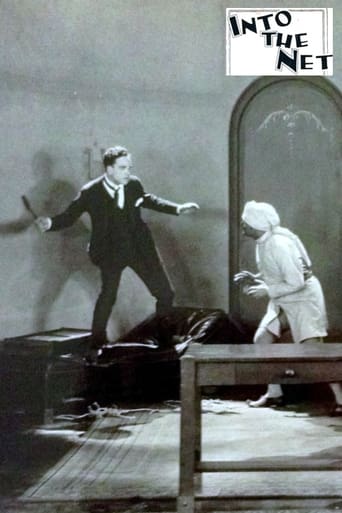
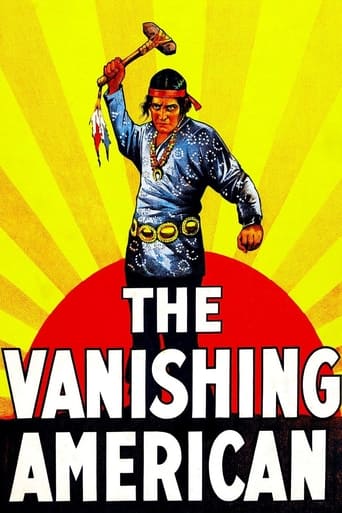
- Directed influential silent adventure and melodrama films, including Into the Net (1924) and The Vanishing American (1925)
- Established a reputation as a reliable director of serials, action pictures, and literary adaptations
- Successfully transitioned from silent cinema to the early sound era without losing industry standing
- Directed Danger Lights (1930), an early sound-era railroad drama noted as one of his best-known talkie titles
- Later worked on popular franchise entertainment, including the Andy Hardy cycle, showing his adaptability to changing audience tastes
Best Known For
Must-See Films
Working Relationships
Worked Often With
Studios
Why They Matter
Impact on Culture
George B. Seitz contributed to the shaping of mainstream American commercial cinema during one of its most formative periods. His silent adventure and melodrama films helped establish the brisk, accessible storytelling that became a hallmark of studio-era filmmaking, especially in productions designed for wide popular appeal. The Vanishing American is especially notable for its place in early Hollywood representations of Native American life and frontier conflict, even though it must also be understood within the racial attitudes and conventions of its time. Seitz's ability to move from silent spectacles to early sound dramas and then to franchise filmmaking demonstrates the continuity of studio craft across major technological change. His career helped normalize the idea that a director could work effectively across genres and formats while serving the needs of major studios and mass audiences.
Lasting Legacy
Seitz's lasting legacy lies in his role as a dependable and prolific Hollywood professional whose work bridged the silent and sound eras. He is remembered today less as a flamboyant auteur than as a skilled studio director who contributed to the architecture of popular American cinema. Films such as The Vanishing American continue to attract attention from film historians because they combine entertainment value with significant cultural context, particularly regarding early Western and frontier narratives. His later work in family entertainment and series filmmaking also points to the industrial evolution of Hollywood, where directors who could adapt quickly were especially valuable. In film history, Seitz stands as a representative figure of classical studio craftsmanship: efficient, versatile, and deeply embedded in the machinery of commercial filmmaking.
Who They Inspired
Seitz influenced the practical traditions of studio directing more than the personal style-based school associated with later auteur criticism. His work demonstrated how a director could sustain a career by mastering pacing, continuity, genre expectations, and actor management across rapidly changing film technologies. The commercial assurance of his films helped set standards for adventure serials, frontier dramas, and early sound programmers. Later filmmakers working in franchise entertainment and studio-bound popular genres inherited a Hollywood system in which Seitz-type professionalism remained essential. His career also shows how early directors helped normalize transitions in production practice from silent visual storytelling to synchronized dialogue cinema.
Off Screen
George B. Seitz kept a relatively low public profile compared with many Hollywood personalities, and detailed personal-biographical information is less frequently preserved than his professional credits. He was born in Boston and worked in both theater and film, suggesting an early immersion in performance and writing that shaped his later screen career. Public records indicate that he was married, but surviving reference sources do not consistently preserve extensive details about family life, and he was not widely documented as a celebrity personality in the modern sense. His reputation during his lifetime rested primarily on his industry work rather than on scandal, publicity, or a heavily reported domestic life.
Education
Not clearly documented in surviving mainstream biographical sources; he appears to have entered the theater and later film industry through practical professional experience rather than a prominently recorded formal academic path.
Family
- Unknown
Did You Know?
- He was born in Boston, Massachusetts, and later became one of the reliable craftsmen of Hollywood's silent and early sound periods.
- Before becoming a film director, he worked in the theater, which likely informed his sense of structure and performance.
- He directed both silent epics and early talkies, making him one of the filmmakers who successfully crossed the industry's biggest technological divide.
- The Vanishing American (1925) remains one of his best-known films and is often discussed in film history because of its Western/frontier themes.
- Danger Lights (1930) is notable as a strong early sound-era example of his work, showing his adaptability to the new format.
- He also worked as a screenwriter and producer, which made him more versatile than many directors of his era.
- His later association with family entertainment, including Andy Hardy pictures, shows his ability to adjust to changing audience tastes in the 1930s and early 1940s.
- Unlike many directors of the period, he is remembered more for consistency and industry competence than for scandal or celebrity.
- He died in 1944, leaving behind a career that spanned the silent era, the transition to sound, and the mature studio system.
Frequently Asked Questions
Who was George B. Seitz?
American on YTB.my. He built a career directing adventure films, dramas, and studio entertainment that appealed to broad audiences. He is remembered as a versatile Hollywood craftsman rather than a flamboyant auteur.
What films is George B. Seitz best known for?
Titles linked here include The Vanishing American (1925), Into the Net (1924).
When was George B. Seitz born and when did he die?
Born January 1, 1888; died March 8, 1944.
What awards did George B. Seitz win?
No major awards or major award nominations are consistently documented for George B. Seitz in standard film-reference sources. His reputation rests more on his body of work and his reliability as a studio director than on formal honors. Like many directors of the silent and early sound eras, his contributions are often recognized by historians rather than by contemporary awards.
What was George B. Seitz's directing style?
His directing style emphasized clear storytelling, brisk pacing, and strong genre appeal. He was especially effective in adventure, melodrama, and early sound entertainment, where audience clarity and momentum were essential. Rather than pursuing a highly personal visual signature, he focused on polished studio professionalism.
What is George B. Seitz's legacy in film history?
His legacy is that of a dependable and accomplished studio-era filmmaker who helped define mainstream American popular cinema across two major technological periods. He contributed to the development of silent adventure and frontier narratives and later showed how directors could successfully adapt to sound filmmaking. Film historians value him as a representative and important working director of classical Hollywood.