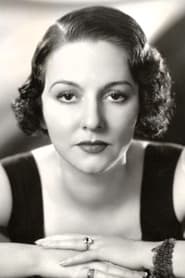
Dorothy Burgess
Actor
Born: May 24, 1907 in Los Angeles, California, USA Died: August 21, 1961 Active: 1928-1941
Films
1 film
About Dorothy Burgess
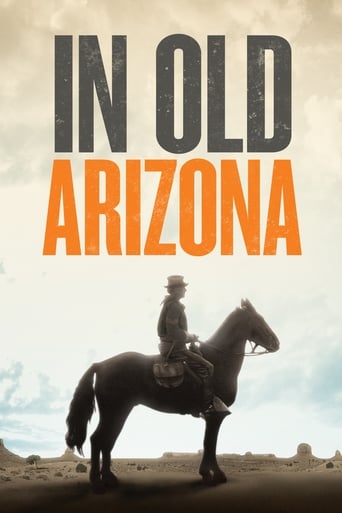
American actress who emerged during the critical transition from silent films to talkies in Hollywood. Born in Los Angeles in 1907, she was the niece of Academy Award-winning actress Fay Bainter, which provided her with valuable connections in the film industry. She made her film debut in 1928 and quickly established herself as a reliable supporting actress, often cast as sultry, exotic, or dangerous female characters. Her role as Tonia Maria in 'In Old Arizona' (1928) was particularly significant, as this film was one of the first major sound Westerns and won Warner Baxter an Academy Award for Best Actor. Throughout the 1930s, Burgess appeared in over 30 films, working with major studios and prominent directors, though she was frequently typecast in similar roles. Her career gradually declined by the early 1940s, and she made her last film appearance in 1941. She spent her remaining years away from the Hollywood spotlight and passed away in Santa Monica in 1961 at the age of 54.
The Craft
On Screen
Dorothy Burgess was known for her ability to portray sultry and exotic characters with a distinctive world-weary sophistication. Her acting style was typical of the transitional period between silent films and talkies, where she successfully adapted to the new requirements of sound cinema while maintaining the expressive qualities valued in silent performances. She possessed a distinctive screen presence that made her memorable in supporting roles, often bringing a sense of danger, mystery, or exotic allure to her characters. Burgess specialized in playing the 'other woman' or femme fatale archetype, using her expressive eyes and measured delivery to create complex, often morally ambiguous characters that added depth to the films she appeared in.
Milestones
- Appeared in 'In Old Arizona' (1928), one of the first major sound Westerns
- Worked consistently through the 1930s in supporting roles at major studios
- Often cast as femme fatale or exotic characters in over 30 films
- Successfully transitioned from silent films to talkies
- Collaborated with prominent directors like Raoul Walsh and John Ford
Best Known For
Iconic Roles
Must-See Films
Working Relationships
Worked Often With
Studios
Why They Matter
Impact on Culture
Dorothy Burgess represents the generation of actresses who successfully navigated Hollywood's technological revolution from silent films to talkies. Her work in early sound films like 'In Old Arizona' helped establish the template for supporting female characters in Westerns and other genres, demonstrating how actresses could adapt their skills to meet the new demands of sound cinema. While never a major star, her consistent work throughout the 1930s contributed to the Hollywood's Golden Age, providing memorable supporting performances that enhanced the films she appeared in. Burgess's career exemplifies the important role played by character actors in creating the depth and variety that made classic Hollywood films so enduring. Her performances are now primarily studied by film historians interested in the transition period between silent and sound films and the evolution of female character archetypes in early cinema.
Lasting Legacy
Dorothy Burgess's legacy lies primarily in her contribution to early sound cinema, particularly her role in 'In Old Arizona,' which remains historically significant as one of the first major sound Westerns. While she never achieved top-tier stardom, her body of work serves as an excellent example of the many talented supporting actors who were essential to Hollywood's success during the Golden Age. Her performances in films from the late 1920s and 1930s provide valuable insight into the acting techniques and character types that defined early sound cinema. Burgess's career trajectory also illustrates the challenges faced by many character actresses who were typecast and struggled to break free from limiting roles. Today, film scholars and classic cinema enthusiasts appreciate her work for its historical significance and its representation of the supporting actress's role in Hollywood's studio system.
Who They Inspired
As a supporting actress specializing in femme fatale and exotic roles, Dorothy Burgess influenced the development of these character archetypes in early sound cinema. Her performances in Westerns and other genres helped establish patterns for supporting female characters that would be followed and refined by subsequent generations of actresses. Her ability to adapt to sound technology during a challenging transition period in Hollywood history serves as an example of resilience and adaptability for actors facing technological changes in the industry. While she didn't directly mentor other famous actors, her consistent work and professional approach to her craft set an example for other character actors in the studio system. Her performances continue to be studied by film historians and acting students interested in the techniques and styles of early Hollywood cinema.
Off Screen
Dorothy Burgess was born into a family with established connections to the entertainment industry, being the niece of acclaimed actress Fay Bainter. This family connection helped facilitate her entry into Hollywood during the competitive studio system era. She married twice during her lifetime, first to John McCarthy from 1930 to 1934, and later to renowned screenwriter Robert Riskin from 1936 to 1940. Despite her Hollywood connections and consistent work, Burgess maintained a relatively private personal life compared to many of her contemporaries. She lived primarily in the Los Angeles area throughout her career and later years, eventually settling in Santa Monica where she spent her final years away from the public eye.
Family
- John McCarthy (1930-1934)
- Robert Riskin (1936-1940)
Did You Know?
- She was the niece of Academy Award-winning actress Fay Bainter
- Her role in 'In Old Arizona' was one of her first film appearances
- She was often typecast as exotic or dangerous women throughout her career
- She appeared in over 30 films during her 13-year career
- She worked with legendary director John Ford on several occasions
- Her active years covered the critical transition from silent films to talkies
- She retired from acting in 1941 at the relatively young age of 34
- She died at age 54 in Santa Monica, California
- Despite her Hollywood connections, she never achieved major stardom
- Her performances are now primarily of interest to film historians specializing in early sound cinema
- She married screenwriter Robert Riskin, who wrote many of Frank Capra's classic films
- Her second marriage ended the same year she made her last film
Frequently Asked Questions
Who was Dorothy Burgess?
American actress who worked in Hollywood during the late 1920s and 1930s, best known for her supporting roles in early sound films, particularly as Tonia Maria in 'In Old Arizona' (1928). She was the niece of Academy Award-winning actress Fay Bainter.
What films is Dorothy Burgess best known for?
Titles linked here include In Old Arizona (1928), The Virginian (1929).
When was Dorothy Burgess born and when did she die?
Born May 24, 1907; died August 21, 1961.
What awards did Dorothy Burgess win?
Dorothy Burgess did not receive any major awards or nominations during her career, though she was a consistent working actress throughout the 1930s, appearing in over 30 films.
What was Dorothy Burgess's acting style?
Dorothy Burgess was known for portraying sultry and exotic characters with world-weary sophistication, often cast as femme fatales or dangerous women in supporting roles. She successfully transitioned from silent films to talkies, adapting her style to the new medium.
How was Dorothy Burgess related to Fay Bainter?
Dorothy Burgess was the niece of Academy Award-winning actress Fay Bainter, which helped her gain entry into the film industry and provided career guidance.
How long was Dorothy Burgess's career?
Dorothy Burgess's film active years covered from 1928 to 1941, covering the critical transition period from silent films to talkies in Hollywood, during which she appeared in over 30 films.
Why is 'In Old Arizona' significant in Dorothy Burgess's career?
'In Old Arizona' (1928) was significant as it was one of Burgess's first film roles and one of the first major sound Westerns in cinema history. The film won Warner Baxter an Academy Award and helped establish Burgess as a character actress in Hollywood.