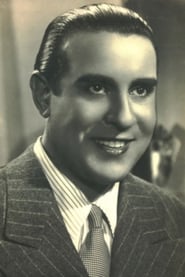
Alberto Rabagliati
Actor
Born: June 26, 1906 in Milan, Italy Died: March 8, 1974 Active: 1928-1974
Films
1 film
About Alberto Rabagliati
Italian singer and actor who became one of Italy's most popular entertainers during the 1930s and 1940s. Born in Milan in 1906, he began his career as a jazz singer in the late 1920s after winning a singing competition that launched him into the spotlight. Rabagliati's smooth baritone voice and charming stage presence made him a favorite on Italian radio and in nightclubs, leading to his transition into cinema in the mid-1930s. Alberto appears in numerous Italian films throughout the Golden Age of Italian cinema, often playing romantic leads or showcasing his musical talents in musical comedies. His career flourished during the Fascist era, though he maintained popularity beyond World War II. Rabagliati continued performing well into the 1950s and 1960s, appearing on television variety shows and maintaining his status as a beloved cultural figure in Italy. He passed away in 1974, leaving behind a legacy as one of Italy's entertainment personalities who successfully bridged the gap between music and film.
The Craft
On Screen
Rabagliati was known for his natural, charming on-screen presence that translated well from his musical performances. His acting style was typically light-hearted and romantic, perfectly suited for the musical comedies and romantic dramas that dominated Italian cinema during his peak years. He often played the suave, sophisticated leading man with a smooth singing voice, bringing a sense of elegance and warmth to his roles.
Milestones
- Won a singing competition in 1928 that launched his entertainment career
- Became one of Italy's first major radio stars in the 1930s
- Transitioned successfully from music to film acting
- Starred in numerous Italian musical comedies during the 1930s-1940s
- Continued his career into the television era in the 1950s-1960s
Best Known For
Iconic Roles
Must-See Films
Accolades
Won
- Italian entertainment industry recognition for popular music
- Radio and television achievement awards in Italy
Nominated
- Various Italian film industry nominations during the 1930s-1940s
Special Recognition
- Recognized as a pioneer of Italian popular music and entertainment
- Honored for contributions to Italian radio and television
Working Relationships
Worked Often With
Studios
Why They Matter
Impact on Culture
Alberto Rabagliati played a significant role in shaping Italian popular entertainment during a crucial period of the country's cultural development. As one of the first major stars of Italian radio, he helped establish the template for the multimedia entertainer who could successfully transition between different media formats. His films and recordings captured the spirit of Italian society during the Fascist era and immediate post-war period, providing cultural touchstones for generations of Italians. Rabagliati's success demonstrated the commercial viability of combining musical performance with acting, influencing the development of the Italian film industry's approach to musical entertainment.
Lasting Legacy
Rabagliati's legacy endures as one of Italy's foundational entertainment figures who successfully navigated the transition from silent film to sound, from radio to television, and from the Fascist era to democratic Italy. His recordings remain part of Italy's cultural heritage, often featured in retrospectives of Italian popular music. He is remembered as a pioneer who helped establish the Italian entertainment industry's professional standards and demonstrated how an artist could maintain relevance across multiple decades and technological changes. His career serves as a case study in longevity and adaptability in the entertainment business.
Who They Inspired
Rabagliati influenced subsequent generations of Italian entertainers by demonstrating the commercial and artistic potential of the singer-actor model. His smooth, sophisticated style set a standard for Italian male performers that would be emulated by later stars. His ability to maintain popularity across different political regimes and technological transitions provided a blueprint for career longevity in the Italian entertainment industry. Many later Italian singer-actors, from the 1950s through the present day, owe a debt to Rabagliati's work in establishing this career path.
Off Screen
Alberto Rabagliati was married several times throughout his life, with his personal relationships often covered in Italian media due to his celebrity status. He maintained a public persona that was consistently charming and approachable, which endeared him to Italian audiences across multiple generations. His life spanned from the early days of Italian popular entertainment through the television era, making him a witness to and participant in the evolution of Italian media.
Education
Limited formal education in entertainment; primarily self-taught as a singer and actor through practical experience and early radio work
Family
- Maria Ines Cancellieri (married 1930s-1940s)
- Later marriages (specific dates not widely documented)
Did You Know?
- Won his first major singing competition in 1928, launching his professional career
- Was one of Italy's first major radio stars in the early 1930s
- His smooth baritone voice made him particularly popular with female audiences
- Successfully maintained his career through the political changes of World War II
- Transitioned from radio to film to television, adapting to new media throughout his career
- Was known for his impeccable dress sense and sophisticated public image
- His recordings from the 1930s and 1940s are considered classics of Italian popular music
- Appeared in over 30 films during his acting career
- Continued performing well into his 60s, demonstrating remarkable professional longevity
- His style was often compared to American crooners like Bing Crosby, but with distinctly Italian characteristics
In Their Own Words
La musica è la lingua universale che parla direttamente al cuore
Music is the universal language that speaks directly to the heart)
Il segreto del successo è non smettere mai di imparare e adattarsi ai tempi
The secret to success is never stopping learning and adapting to the times)
Frequently Asked Questions
Who was Alberto Rabagliati?
Italian singer and with credits in this catalog. He successfully transitioned from radio stardom to film acting and later television, becoming a beloved cultural figure in Italy known for his smooth baritone voice and charming screen presence.
What films is Alberto Rabagliati best known for?
Titles linked here include Il Signor Max, 1937.
When was Alberto Rabagliati born and when did he die?
Born June 26, 1906; died March 8, 1974.
What awards did Alberto Rabagliati win?
While specific major international awards are not extensively documented, Rabagliati received numerous recognitions within the Italian entertainment industry for his contributions to popular music and film. He was honored as a pioneer of Italian radio and television, and his recordings achieved significant commercial success.
What was Alberto Rabagliati's singing and acting style?
Rabagliati was known for his smooth baritone voice and sophisticated, charming performance style. His singing was often compared to American crooners but with distinctly Italian characteristics. His acting style was natural and warm, perfectly suited for the romantic leads and musical comedies that dominated his film career.
How did Alberto Rabagliati influence Italian entertainment?
Rabagliati was instrumental in establishing the template for the multimedia entertainer in Italy, successfully transitioning from radio to film to television. He demonstrated the commercial viability of combining musical performance with acting, influencing subsequent generations of Italian singer-actors and helping shape the development of Italy's entertainment industry.