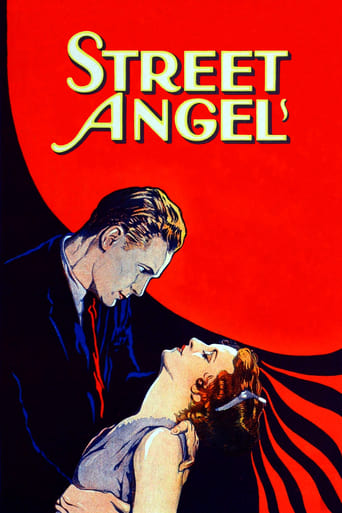
Films
1 film
About Gino Conti
Gino Conti is credited on a single production — Street Angel (1928). His known filmography consists primarily of his role in the 1928 production 'Street Angel,' a significant silent drama directed by Frank Borzage and starring Janet Gaynor and Charles Farrell. Conti was part of the supporting cast during Hollywood's golden era of silent cinema, likely portraying a character role in this acclaimed film that was one of three movies for which Janet Gaynor won the first Academy Award for Best Actress. Like many actors of his era, Conti's career was brief and coincided with the dramatic industry changes brought by the advent of sound technology. His limited filmography suggests he may have been either a character actor who found few roles during the transition to talkies, or possibly a European actor who worked briefly in Hollywood before returning to his home country. The lack of extensive records about his career is typical of many supporting actors from the silent period whose contributions were significant but not extensively documented in film history.
The Craft
Milestones
- Appeared in 'Street Angel' (1928), an Academy Award-winning film directed by Frank Borzage
Best Known For
Must-See Films
Working Relationships
Worked Often With
Why They Matter
Impact on Culture
As a supporting actor in 'Street Angel' (1928), Gino Conti contributed to. The film itself was part of a trio of performances that earned Janet Gaynor the first Academy Award for Best Actress, and it stands as an important example of the artistic achievements of late silent cinema. While Conti's individual contribution was likely small, he was part of the ensemble that helped create this landmark film, which showcased the emotional depth and visual sophistication possible in silent storytelling just before the industry's complete transition to sound.
Lasting Legacy
Gino Conti's legacy is primarily tied to his participation in 'Street Angel' (1928), a film that continues to be studied and appreciated by film historians and silent cinema enthusiasts. While his own career was brief and he did not achieve lasting fame, his contribution to this significant work places him within the context of Hollywood's transition period. Like many character actors of his era, Conti represents the hundreds of performers who helped create the magic of classic cinema but whose individual stories have been largely lost to time, surviving only through their documented contributions to important films.
Who They Inspired
Given the brevity of his known career and limited documentation of his work, there is no substantial evidence of Gino Conti's influence on other actors or filmmakers. His legacy exists primarily through his participation in a significant film rather than through any direct mentorship or artistic influence on subsequent generations of performers.
Off Screen
Very little information is available about Gino Conti's personal life, which is common for many supporting actors from the silent era whose careers were brief and not extensively documented in contemporary press or film industry records.
Did You Know?
- Appeared in 'Street Angel' during the final year of the silent era's dominance
- His film career appears to have been limited to the single year of 1928
- 'Street Angel' was one of three films for which Janet Gaynor won the first Best Actress Oscar
- The film was directed by Frank Borzage, who won the first Academy Award for Best Director
- Like many silent era supporting actors, detailed biographical information about Conti is scarce
- His career coincided with the major transition from silent films to talkies in Hollywood
- No sound film appearances have been documented, suggesting his career may have ended with the silent era
Frequently Asked Questions
Who was Gino Conti?
Screen credits include the 1928 film 'Street Angel.' His career appears to have been brief, limited to the final year of the silent era, and he is primarily remembered for his role in this Academy Award-winning production directed by Frank Borzage.
What films is Gino Conti best known for?
Titles linked here include Street Angel (1928).
When was Gino Conti born and when did he die?
Unfortunately, specific birth and death dates for Gino Conti are not documented in available film records, which is common for many supporting actors from the silent era who had brief careers.
What awards did Gino Conti win?
There are no records of Gino Conti receiving personal awards or nominations. However, he was part of the cast of 'Street Angel,' a film that contributed to Janet Gaynor's historic Best Actress win and Frank Borzage's Best Director win at the first Academy Awards.
What was Gino Conti's acting style?
Due to limited documentation of his work and the fact that only one film credit is known, specific details about Gino Conti's acting style are not available. Like most silent era actors, he would have used exaggerated facial expressions and body language to convey emotions without dialogue.