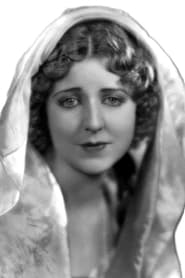
Gloria Grey
Actor
Born: December 12, 1900 in Pittsburgh, Pennsylvania, USA Died: November 22, 1947 Active: 1924-1931 Birth Name: Gloria Gertrude Stark
Films
2 films
About Gloria Grey
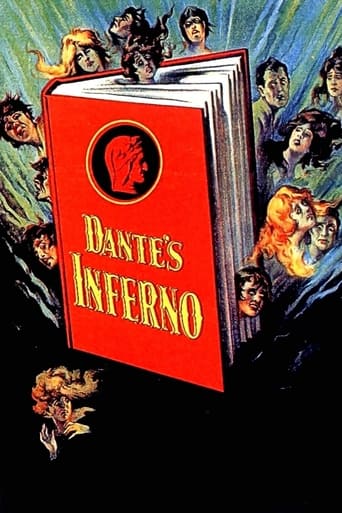
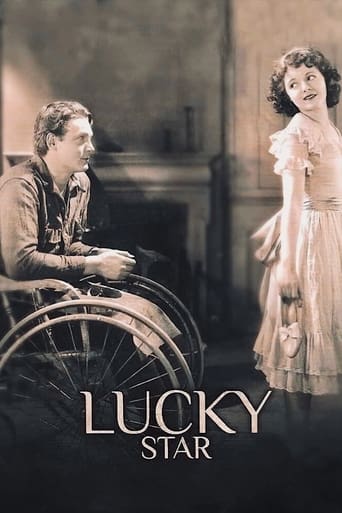
Gloria Grey, born Gloria Gertrude Stark, was an American actress who rose to prominence during the silent film era of the 1920s. She began her career with a notable role in the controversial 1924 adaptation of Dante's Inferno, which showcased her ability to portray dramatic characters in visually striking productions. Grey's career flourished during the mid-to-late 1920s as she appeared in several silent films, including the critically acclaimed Lucky Star (1929) directed by Frank Borzage. Like many silent film actors, Grey faced significant challenges with the transition to sound films, and her career began to wane as the industry evolved. She married fellow actor William Boyd, who would later become famous as Hopalong Cassidy, though their marriage ended in divorce in 1931. After her film career diminished, Grey largely retreated from public life, making only occasional appearances in smaller roles. Her life was tragically cut short when she died of cancer at age 46 in 1947, leaving behind a legacy as a representative figure of the transitional period between silent and sound cinema.
The Craft
On Screen
Gloria Grey was known for her expressive and emotive acting style typical of the silent era, using dramatic facial expressions and body language to convey complex emotions. She specialized in playing vulnerable yet resilient female characters who often faced moral dilemmas or romantic conflicts. Her performances were characterized by a naturalistic quality that helped bridge the gap between theatrical silent acting and the more subtle style required for sound films.
Milestones
- Breakthrough role in Dante's Inferno (1924)
- Starring role in Lucky Star (1929)
- Marriage to William Boyd (Hopalong Cassidy)
- Transition from silent to early sound films
Best Known For
Iconic Roles
Must-See Films
Working Relationships
Worked Often With
Studios
Why They Matter
Impact on Culture
Gloria Grey represents the transitional generation of actors who navigated the dramatic shift from silent to sound cinema in the late 1920s. Her work in Dante's Inferno contributed to the film's reputation as one of the more ambitious and controversial productions of the silent era, pushing boundaries in visual storytelling and thematic content. Her performance in Lucky Star, directed by the acclaimed Frank Borzage, demonstrated the sophisticated emotional depth that silent cinema could achieve, influencing how romantic dramas would be approached in subsequent years. Though her career was relatively brief, Grey's filmography serves as an important example of the types of roles available to women in late silent cinema and the challenges faced by actors whose careers were disrupted by technological change.
Lasting Legacy
Gloria Grey's legacy lies primarily in her contributions to the art of silent film acting and her role in documenting the transitional period of Hollywood history. Her performances, particularly in Lucky Star, are studied by film scholars as examples of the sophisticated emotional storytelling possible in silent cinema. While she did not achieve lasting fame like some of her contemporaries, her work remains significant to cinema historians studying the evolution of film acting and the impact of technological changes on performers' careers. Her marriage to William Boyd also connects her to the broader narrative of Hollywood's Golden Age relationships and the personal costs of fame during that era.
Who They Inspired
Gloria Grey's influence on subsequent actors is primarily indirect, through her example of navigating the challenging transition from silent to sound films. Her naturalistic acting style in the late silent period helped pave the way for the more subtle performance techniques that would become standard in sound cinema. Her work with director Frank Borzage contributed to the development of the romantic drama genre, influencing how emotional relationships would be portrayed in films throughout the 1930s and beyond.
Off Screen
Gloria Grey married actor William Boyd in 1929, who would later achieve lasting fame as Hopalong Cassidy in Western films. Their marriage was highly publicized but ultimately ended in divorce in 1931, reportedly due to career pressures and the challenges both faced during Hollywood's transition to sound films. After her divorce and declining film career, Grey largely withdrew from the entertainment industry and lived a relatively private life in Los Angeles until her death from cancer at age 46.
Education
Limited information available about her formal education; likely received training in dramatic arts for film work
Family
- William Boyd (1929-1931)
Did You Know?
- Her real name was Gloria Gertrude Stark before adopting the stage name Gloria Grey
- Dante's Inferno (1924) was considered controversial for its time due to its depiction of hell and moral themes
- She married William Boyd the same year she appeared in Lucky Star, which would be one of her last major roles
- Like many silent film actors, she struggled to adapt to sound films, contributing to her career decline
- Her death from cancer at age 46 cut short what might have been a potential comeback in character roles
- Lucky Star (1929) was directed by Frank Borzage, who won the first Academy Award for Best Director
- She appeared in over 15 films during her brief but active career
- The transition to sound films in 1929 coincided with both her marriage and the peak of her career
- Her filmography serves as a time capsule of late silent cinema techniques and themes
- Despite her relatively brief career, she worked with some of the most respected directors of her era
In Their Own Words
The pictures have changed, and I suppose we must change with them or get out of the business
Silent pictures taught us to show emotion without words, but now they want us to talk and feel at the same time
Frequently Asked Questions
Who was Gloria Grey?
American actress who worked during the silent film era of the 1920s, best known for her roles in Dante's Inferno (1924) and Lucky Star (1929). Born Gloria Gertrude Stark, she was married to actor William Boyd and represents the generation of actors who faced career challenges during Hollywood's transition to sound films.
What films is Gloria Grey best known for?
Titles linked here include Dante's Inferno (1924), Lucky Star (1929).
When was Gloria Grey born and when did she die?
Born December 12, 1900; died November 22, 1947.
What awards did Gloria Grey win?
There are no documented major awards or nominations for Gloria Grey during her career. Like many actors of her era, particularly those whose careers were cut short by the transition to sound films, her contributions were recognized more through her work than through formal accolades.
What was Gloria Grey's acting style?
Gloria Grey's acting style was characteristic of the late silent era, emphasizing expressive facial expressions and body language to convey emotions. She was known for her naturalistic approach to dramatic roles, particularly in portraying vulnerable yet resilient female characters in romantic and moral dilemmas.