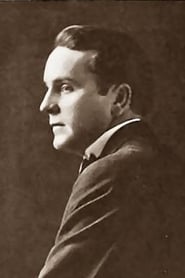
Joe King
Actor
Born: February 9, 1883 in Austin, Texas, USA Died: February 11, 1951 Active: 1912-1944 Birth Name: Joseph S. King
Films
4 films
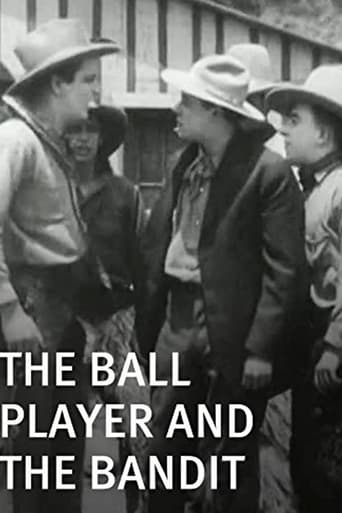
About Joe King
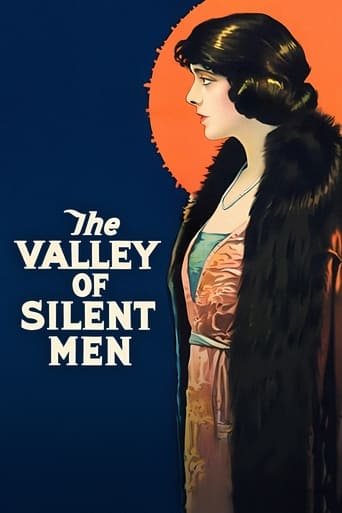
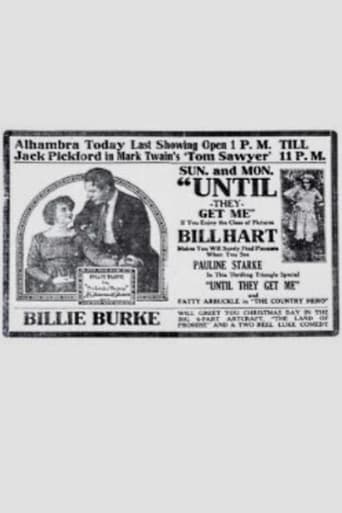
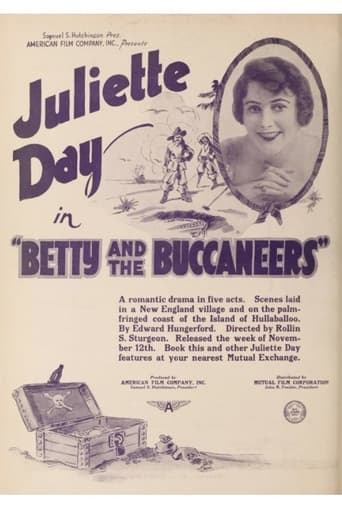
Prolific American actor who enjoyed a remarkable career spanning over three decades in Hollywood, appearing in more than 200 films between 1912 and 1944. Born Joseph S. King in Austin, Texas in 1883, he began his film career during the silent era, quickly establishing himself as a reliable leading man and character actor. Throughout the 1910s and 1920s, King appeared in numerous westerns, dramas, and adventure films, often playing rugged, authoritative characters with a commanding screen presence. His performances in films like 'Until They Get Me' (1917), 'Betty and the Buccaneers' (1917), and 'The Valley of Silent Men' (1922) demonstrated his versatility and ability to carry leading roles. As the film industry transitioned to sound, King successfully adapted his acting style and continued working steadily, though often in supporting roles as a character actor. He worked with virtually every major studio during his career and appeared alongside many of the era's biggest stars. King retired from acting in the early 1940s and spent his final years in California, leaving behind a substantial body of work that represents the evolution of American cinema from silent films through the golden age of Hollywood.
The Craft
On Screen
Joe King was known for his naturalistic acting style that evolved with the medium. In silent films, he employed expressive gestures and facial features to convey emotion, typical of the era but with a subtlety that set him apart. His screen presence was commanding yet approachable, allowing him to play both authoritative figures and sympathetic characters. As sound films emerged, King adapted his style to incorporate more nuanced vocal performances, maintaining his credibility as a character actor. He was particularly effective in westerns and adventure films, where his rugged demeanor and authentic delivery resonated with audiences.
Milestones
- Film debut in 1912
- Leading man status in silent westerns
- Successful transition to sound films
- Over 200 film appearances
- Character actor roles in 1930s-40s
Best Known For
Iconic Roles
Must-See Films
Working Relationships
Worked Often With
Studios
Why They Matter
Impact on Culture
Joe King represents the archetype of the working actor who successfully navigated the massive technological and artistic changes in early Hollywood. His career trajectory from silent leading man to sound character actor mirrors the evolution of American cinema itself. While never achieving superstardom, King's consistent work ethic and adaptability made him an integral part of the studio system during its formative years. His numerous western roles contributed to the development of the genre conventions that would define American western cinema for decades. King's ability to transition between leading and supporting roles demonstrated the flexibility required of actors during the golden age of Hollywood.
Lasting Legacy
Joe King's legacy lies in his extensive filmography that serves as a valuable record of American cinema's development from the silent era through the early sound period. With over 200 film appearances, his work provides modern film historians and enthusiasts with a comprehensive view of acting styles, production techniques, and storytelling methods of early Hollywood. His career exemplifies the journey of many actors of his generation who were essential to building the film industry but whose names have faded from mainstream recognition. King's films continue to be studied by silent film enthusiasts and serve as important artifacts of cinematic history.
Who They Inspired
As a character actor who worked consistently for over three decades, Joe King influenced younger actors through his professional example and work ethic. His ability to adapt to changing technologies and industry standards demonstrated the importance of versatility in an acting career. While he may not have directly mentored specific actors who went on to major fame, his performances in supporting roles alongside emerging stars provided a model of professional reliability and craft that many aspiring actors of his era would have observed and learned from. His extensive work in westerns helped establish character archetypes that would be emulated by subsequent generations of western actors.
Off Screen
Joe King married actress Louise Lovely (born Nellie Louise Charlton), an Australian actress who had a successful career in Hollywood. Their marriage was notable as it connected two actors from different parts of the world during the early days of Hollywood. After his retirement from acting, King lived quietly in Woodland Hills, California, away from the public eye. He maintained connections within the film industry community until his death in 1951 at the age of 68.
Family
- Louise Lovely (1912-1922)
Did You Know?
- Appeared in over 200 films during his 32-year career
- Married to Australian actress Louise Lovely, who was one of the highest-paid actresses of her time
- Successfully transitioned from silent films to talkies, unlike many of his contemporaries
- Often played authority figures such as sheriffs, judges, and military officers
- Worked with virtually every major Hollywood studio during his career
- His active years covered from the early days of feature films through the golden age of Hollywood
- Was a reliable character actor who could play both heroes and villains effectively
- Appeared in several early John Ford films before Ford became a legendary director
- His real name was Joseph S. King, but he used Joe King professionally
- Retired from acting just as World War II was ending, marking the end of an era in Hollywood
Frequently Asked Questions
Who was Joe King?
Screen credits include over 200 films from 1912 to 1944, working successfully in both silent films and talkies. He was known for his roles in westerns and as a reliable character actor throughout Hollywood's golden age.
What films is Joe King best known for?
Titles linked here include Until They Get Me (1917), Betty and the Buccaneers (1917).
When was Joe King born and when did he die?
Born February 9, 1883; died February 11, 1951.
What awards did Joe King win?
Joe King did not receive major awards or nominations during his career, which was typical for character actors of his era. His recognition came from his consistent employment and the respect of his peers in the industry.
What was Joe King's acting style?
Joe King was known for his naturalistic style that evolved from the expressive gestures required in silent films to more nuanced performances in talkies. He had a commanding screen presence and excelled at playing authority figures and rugged characters, particularly in westerns and adventure films.