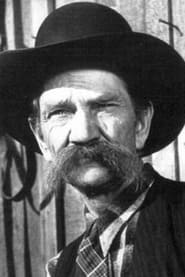
Hank Bell
Actor
Born: January 12, 1892 in Oklahoma, United States Died: February 4, 1950 Active: 1933-1934 Birth Name: Henry William Bell
Films
3 films


About Hank Bell
Hank Bell worked on Western films during the early sound era of Hollywood. His brief but memorable from 1933 to 1934, during which he worked primarily in the B-Western genre that was immensely popular during the Great Depression. Bell appeared alongside some of the era's most notable Western stars, including a young John Wayne in his early starring roles. His performances, though often in supporting or bit parts, contributed to the authentic atmosphere of these frontier tales that captivated audiences of the 1930s. Like many character actors of his generation, Bell specialized in portraying the rugged, weathered types that populated the cinematic American West. His filmography, though limited, represents the type of reliable supporting talent that studios relied upon to populate their rapidly produced Western features. After his brief two-year film career, Bell seemingly disappeared from the Hollywood scene, leaving behind only these cinematic footprints of his contribution to early American cinema.
The Craft
On Screen
Naturalistic portrayal of Western characters, specializing in frontier archetypes typical of B-Western productions
Milestones
- Film debut in 'Sagebrush Trail' (1933)
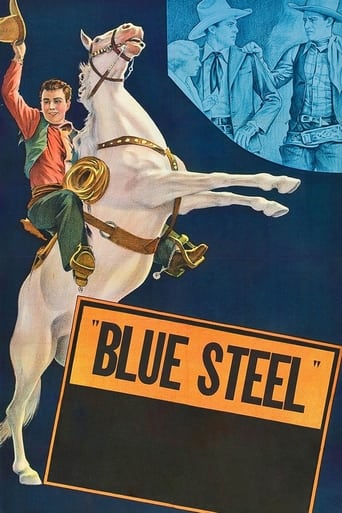
- Supporting role in 'Blue Steel' (1934)
- Worked with early John Wayne Westerns
Best Known For
Iconic Roles
Must-See Films
Working Relationships
Worked Often With
Studios
Why They Matter
Impact on Culture
Hank Bell, though a minor figure in Hollywood history, represents the countless character actors who formed the backbone of the American Western film industry during its golden age. His contributions to films like 'Sagebrush Trail' and 'Blue Steel' helped create the authentic atmosphere that made early Westerns so compelling to Depression-era audiences seeking escape and adventure. These films, featuring future superstar John Wayne, have become important artifacts of American popular culture, and supporting actors like Bell were essential to their success and enduring appeal. His work exemplifies the studio system's reliance on reliable character actors who could convincingly populate the cinematic frontier without requiring star billing.
Lasting Legacy
Hank Bell's legacy lies in his contribution to the early Western films that helped establish John Wayne as a major star and defined the genre for decades to come. Though his filmography is brief, his performances survive as part of the foundation upon which the Hollywood Western was built. These films continue to be studied by film historians and enjoyed by classic cinema enthusiasts, ensuring that Bell's work, however minor, remains part of the enduring tapestry of American film history. His career serves as a reminder of the many unsung contributors who made Hollywood's Golden Age possible.
Who They Inspired
As a supporting character actor in early Westerns, Hank Bell's direct influence on other performers was likely limited. However, his authentic portrayals of Western characters contributed to the establishment of genre conventions that would influence countless actors who followed. His work in the John Wayne Westerns helped create the template for the supporting characters that would populate Western films for decades, influencing how character actors approached roles in the genre. The naturalistic style he employed, typical of the period, set a standard for authenticity in Western character portrayal.
Off Screen
Hank Bell led a relatively private life outside of his brief film career. Born in Oklahoma during the territorial period, he likely drew upon his frontier heritage for his authentic Western portrayals. After leaving the film industry around 1934, he returned to a life away from Hollywood's spotlight. Details about his personal relationships and family life remain largely undocumented, which was common for character actors of his era who worked primarily in the B-movie circuit.
Did You Know?
- Appeared in two films starring a young John Wayne before Wayne became a major star
- Both of his known film roles were in Westerns, the most popular genre during the Great Depression
- His career lasted only two years, making him one of Hollywood's briefest working actors
- Worked primarily with Poverty Row studios that specialized in low-budget Westerns
- His films were directed by Robert N. Bradbury, a prolific Western director of the era
- Both of his known films have survived and are available for viewing today
- Like many character actors of his era, he likely performed his own stunts
- His birth in Oklahoma Territory gave him authentic frontier credentials for Western roles
- His films were typical of the fast-paced production schedules of B-Western studios
- Disappeared from film records after 1934, suggesting he left the industry voluntarily
Frequently Asked Questions
Who was Hank Bell?
Screen credits include Western films during the early 1930s, most notably in 'Sagebrush Trail' (1933) and 'Blue Steel' (1934). He worked primarily as a supporting actor in B-Western productions alongside future stars like John Wayne.
What films is Hank Bell best known for?
Titles linked here include Sagebrush Trail (1933), Blue Steel (1934).
When was Hank Bell born and when did he die?
Born January 12, 1892; died February 4, 1950.
What awards did Hank Bell win?
Hank Bell did not receive any major awards or nominations during his brief film career. As a character actor working primarily in B-Western films during the early 1930s, he was part of the supporting talent that rarely received formal recognition during that era.
What was Hank Bell's acting style?
Hank Bell specialized in naturalistic portrayals of Western characters, embodying the rugged, weathered archetypes typical of frontier films. His acting style was straightforward and authentic, fitting the realistic approach favored in B-Western productions of the early sound era.
Why did Hank Bell's career end so quickly?
Hank Bell's film career lasted only from 1933 to 1934, after which he disappeared from Hollywood records. This was not uncommon for character actors in the B-movie circuit of the 1930s, many of whom pursued film work briefly before returning to other professions.
Did Hank Bell work with any famous directors?
Hank Bell worked with director Robert N. Bradbury, a prolific filmmaker who directed numerous Westerns during the 1930s. Bradbury was known for his efficient direction of low-budget Westerns and helped launch the careers of several Western stars.
Are Hank Bell's films still available to watch?
Yes, both of Hank Bell's known films, 'Sagebrush Trail' (1933) and 'Blue Steel' (1934), have survived and are available for viewing. These films are particularly valued by classic cinema enthusiasts as early examples of John Wayne's work in leading Western roles.