Fred Jackman
Director
Born: July 9, 1881 in Illinois, USA Died: August 16, 1969 Active: 1915-1935 Birth Name: Frederick William Jackman
Films
4 films
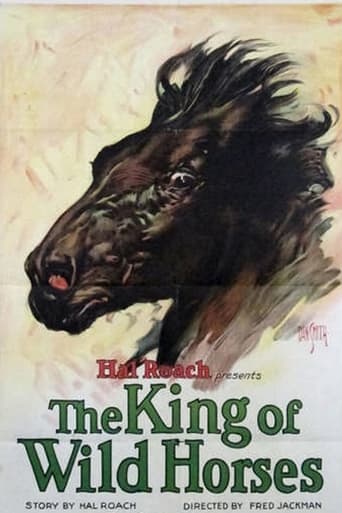
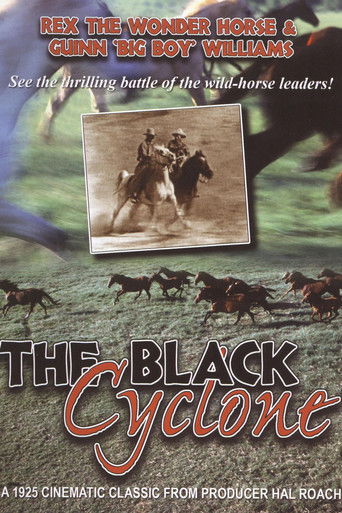
About Fred Jackman
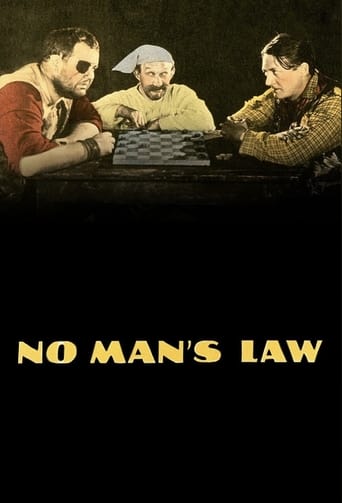
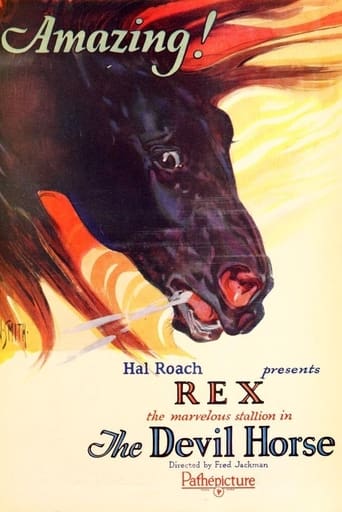
Made significant contributions to silent era cinema, particularly in the comedy genre. Born in Illinois in 1881, Jackman began his film career during the industry's formative years and eventually became the chief cinematographer at Hal Roach Studios, where he worked extensively with comedy legends like Harold Lloyd. Throughout the 1910s and 1920s, he was the primary cinematographer for many of Lloyd's most famous films, establishing a visual style that became synonymous with golden age silent comedy. His technical expertise and innovative camera work helped define the look of American comedy during this period. While primarily known for his cinematography, Jackman also ventured into directing, helming several films including the western 'Rex the Devil Horse' (1926) and 'No Man's Law' (1927). His the crucial transition from silent films to talkies, though his most significant contributions came during the silent era. Jackman's legacy continued through his son, Jack 'Jolly' Jackman, who became a notable character actor in Hollywood.
The Craft
Behind the Camera
Jackman's directing style emphasized clear visual storytelling honed from his extensive experience as a cinematographer. His direction demonstrated strong visual sensibility with careful attention to composition and camera movement, particularly in action sequences and comedy gags. As a director, he maintained the visual clarity essential for silent films while showcasing his understanding of comedy timing and visual humor.
Milestones
- Chief cinematographer at Hal Roach Studios
- Primary cinematographer for Harold Lloyd films
- Director of Rex the Devil Horse (1926)
- Director of No Man's Law (1927)
- camera techniques in silent comedy
- Worked with Our Gang series
- Transitioned successfully from silent to sound films
Best Known For
Must-See Films
Accolades
Special Recognition
- contributor to silent era cinematography
- Hal Roach Studios key technical personnel
Working Relationships
Worked Often With
Studios
Why They Matter
Impact on Culture
Fred Jackman's work as a cinematographer helped establish the visual language of American silent comedy during its golden age. His innovative camera techniques and visual style influenced how comedy was filmed throughout the 1920s and set standards that would affect comedy filmmaking for decades. His collaboration with Harold Lloyd produced some of the most iconic images in silent cinema, particularly in the famous building-climbing sequences that required innovative camera rigging and positioning. Jackman's technical contributions extended beyond comedy to include various genres, helping establish professional standards for cinematography during Hollywood's formative years.
Lasting Legacy
Though not as widely remembered as some of his contemporaries, Fred Jackman's technical innovations and visual style left an indelible mark on silent era cinema. His work continues to be studied by film historians interested in the development of cinematography techniques during Hollywood's formative years. The films he photographed, particularly the Harold Lloyd classics, remain beloved examples of silent comedy mastery, with Jackman's camera work being a crucial element of their enduring appeal. His legacy also lives on through his son's contributions to Hollywood and the continuing influence of his cinematographic techniques on modern comedy filmmaking.
Who They Inspired
Jackman influenced generations of cinematographers through his innovative techniques in capturing comedy sequences and action stunts. His work on Harold Lloyd films demonstrated how camera positioning and movement could enhance comedic timing and visual gags. His approach to visual storytelling in silent films provided a template for future directors and cinematographers working in comedy. The technical solutions he developed for challenging shots, particularly in Lloyd's daredevil sequences, became standard practice in the industry.
Off Screen
Fred Jackman married and had at least one child, Jack 'Jolly' Jackman, who followed his father into the entertainment industry as a character actor. The family remained connected to Hollywood throughout Jackman's career, with his son appearing in numerous films and television shows from the 1930s through the 1960s. Jackman lived to see the transition from silent films to sound and witnessed the evolution of cinema technology throughout his long career.
Education
Educational background not documented in available sources
Family
- Unknown (marriage details not documented)
Did You Know?
- Jackman was the primary cinematographer for Harold Lloyd's most famous films including 'Safety Last!' (1923)
- He worked extensively with the Hal Roach Studios comedy unit
- His son, Jack 'Jolly' Jackman, appeared in over 200 films and television shows
- Jackman was known for his innovative camera techniques, particularly in comedy sequences
- He transitioned successfully from the silent era to early sound films
- 'Rex the Devil Horse' was one of the early films to feature a horse as the main character
- Jackman's cinematography work extended beyond comedy to include dramatic films
- He was part of the team that developed many of the visual gags and stunts in Harold Lloyd films
- His active years covered over three decades in the film industry
- Jackman worked with many of the major comedy stars of the silent era
- He helped develop camera rigs for Harold Lloyd's famous building-climbing stunts
- Jackman was among the first cinematographers to specialize in comedy filming techniques
In Their Own Words
On filming Harold Lloyd's stunts: 'The challenge wasn't just capturing the action, but making the audience feel every moment of danger while maintaining the comedy.'
Regarding silent film cinematography: 'In silent pictures, the camera had to tell the story. Every angle, every movement had to convey emotion without words.'
Frequently Asked Questions
Who was Fred Jackman?
American cinematographer and on YTB.my. He also directed several films including 'Rex the Devil Horse' (1926) and 'No Man's Law' (1927).
What films is Fred Jackman best known for?
Titles linked here include Rex the Devil Horse (1926), No Man's Law (1927).
When was Fred Jackman born and when did he die?
Born July 9, 1881; died August 16, 1969.
What awards did Fred Jackman win?
While specific awards are not well-documented for Jackman's era of filmmaking, he received recognition as a cinematographer and key technical personnel at Hal Roach Studios. Awards for cinematographers were limited during the silent film period.
What was Fred Jackman's directing style?
Jackman's directing style emphasized clear visual storytelling honed from his extensive cinematography experience. His direction featured strong visual composition, careful attention to camera movement, and a deep understanding of comedy timing essential for silent films.
How did Fred Jackman influence cinema?
Jackman influenced cinema through his innovative camera techniques in comedy filming, his development of visual storytelling methods for silent films, and his technical solutions for capturing complex stunt sequences. His work helped establish standards for comedy cinematography that influenced future generations.
Was Fred Jackman related to anyone else in Hollywood?
Yes, Fred Jackman was the father of Jack 'Jolly' Jackman, who became a prolific character actor appearing in over 200 films and television shows from the 1930s through the 1960s.