Films
4 films

About Michael Visaroff
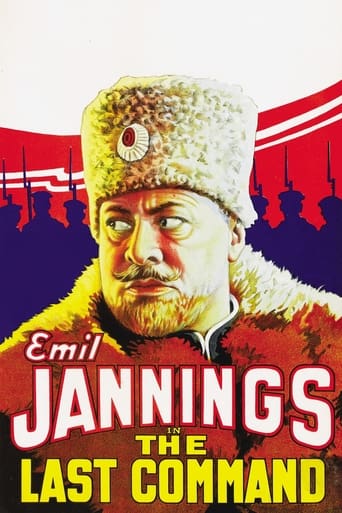
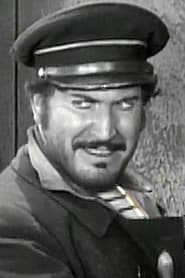
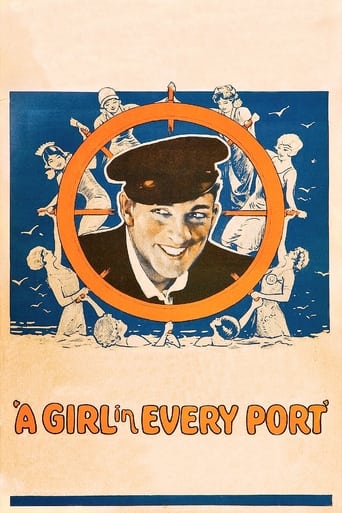
Russian-born character actor who became a familiar face in American silent cinema during the later 1920s, often cast in dignified or authoritative supporting parts. He was part of the large wave of European performers who brought distinctive looks, accents, and stage-trained presence to Hollywood during the silent era, helping studios populate epics, melodramas, and romantic adventures with convincingly cosmopolitan figures. Visaroff is best remembered today for a small but notable run of appearances in prestige productions, including "The Last Command" (1928), one of silent cinema’s great backstage-and-revolution dramas, and John Ford’s romantic adventure "A Girl in Every Port" (1928). His filmography suggests a career concentrated in the late silent period, when he specialized in brief but memorable character roles rather than star vehicles. Because he worked largely in supporting parts, his life outside the screen is not well documented in standard film references, and much of his surviving reputation rests on the films themselves. Even so, his presence in important late-silent features places him among the many skilled immigrant players who gave depth and texture to Hollywood’s international worlds on screen.
The Craft
On Screen
Visaroff appears to have been cast primarily for his strong screen presence, continental bearing, and ability to convey authority, age, or social distinction in silent-film close-ups and ensembles. Like many character actors of the period, his performances likely relied on precise gesture, facial expressiveness, and economical movement rather than broad theatricality. His casting pattern suggests he was especially effective in roles requiring an international or aristocratic flavor, which silent-era filmmakers often valued for historical dramas, romances, and cosmopolitan settings.
Milestones
- Appeared in "The Nickel-Hopper" (1926), one of his earliest known screen credits.
- Acted in Josef von Sternberg’s "The Last Command" (1928), a landmark late silent-era film.
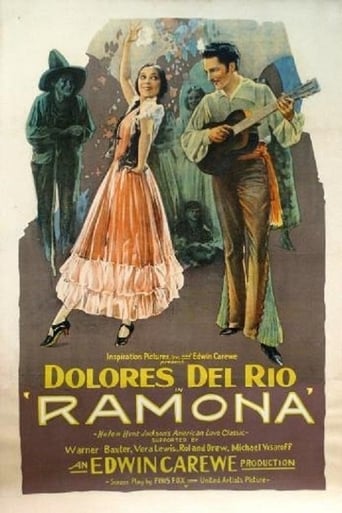
- Appeared in "Ramona" (1928), contributing to a major studio production of the period.
- Worked in John Ford’s "A Girl in Every Port" (1928), an important early Ford feature.
- Established himself as a reliable supporting character actor in Hollywood’s silent-era production system.
Best Known For
Iconic Roles
Must-See Films
Working Relationships
Worked Often With
Studios
Why They Matter
Impact on Culture
Michael Visaroff’s cultural impact lies less in stardom than in the essential supporting work that helped silent cinema create believable social worlds. Actors like Visaroff were crucial to the texture of late-1920s filmmaking: they brought authenticity, specificity, and visual distinction to productions that depended on character types as much as headline performers. His appearances in films by major directors such as Josef von Sternberg and John Ford place him within a key layer of film history, where minor parts often had outsized value in shaping mood and atmosphere. In particular, his presence in internationally flavored stories reflects Hollywood’s frequent use of immigrant and foreign-born actors to embody old-world authority, mystery, or sophistication.
Lasting Legacy
Visaroff’s legacy is that of a skilled silent-era character actor whose work survives through a handful of important films rather than through fame or an extensive credited body of work. He represents the many non-star performers who helped make the late silent era. For film historians, his name is a reminder that the great classics of the era were often built from carefully chosen supporting players whose contributions are easy to overlook but impossible to replace. His surviving screen appearances ensure that he remains part of the historical fabric of late silent Hollywood.
Who They Inspired
There is no strong evidence that Visaroff directly mentored a later generation of actors, but his work belongs to a broader tradition of European character performers who influenced how Hollywood cast foreign, aristocratic, or authoritative roles. By contributing to prestige projects and genre films alike, he helped establish a casting model in which a performer’s accent, bearing, and expressive restraint could define an entire supporting role. That model persisted well into the sound era in Hollywood character acting.
Off Screen
Very little widely documented biographical information survives in mainstream references about Michael Visaroff’s private life. He appears to have remained a largely supporting player in Hollywood, and there is no reliably documented public record here of major marriages, children, or a detailed personal history. As with many silent-era character actors, his off-screen life was not extensively promoted in the trade press, leaving later researchers with only fragmentary information.
Education
Unknown; no reliable, widely published educational background is readily documented.
Did You Know?
- He is best remembered today as a supporting actor rather than a star.
- His known screen career falls entirely within the late silent era, with credits concentrated from 1926 to 1928.
- He appeared in both prestige dramas and lighter romantic/adventure fare.
- His role in "The Last Command" places him in.
- He worked during a period when European-born actors were in high demand for Hollywood’s international and historical stories.
- His surviving credit list is short, which is common for many character actors of the silent era.
- Because he played supporting parts, detailed personal biographical records are comparatively scarce.
- His name is sometimes encountered only in cast lists and archival film references, not in star-focused histories.
Frequently Asked Questions
Who was Michael Visaroff?
Screen credits include American silent films in the late 1920s. He worked mainly as a supporting character player and is remembered for appearances in films such as "The Last Command" and "A Girl in Every Port."
What films is Michael Visaroff best known for?
Titles linked here include The Last Command (1928), A Girl in Every Port (1928).
When was Michael Visaroff born and when did he die?
His exact birth and death dates are not reliably documented in the readily available mainstream film record. Likewise, his place of birth and death are not firmly established in the sources most commonly consulted by film databases.
What awards did Michael Visaroff win?
No major awards or official nominations are currently documented for Michael Visaroff. Like many silent-era supporting players, his contribution was primarily in the quality of his screen work rather than in award recognition.
What was Michael Visaroff's acting style?
Visaroff appears to have specialized in restrained, expressive silent-era character work, using strong physical presence and facial expression rather than dialogue. He was likely cast for his ability to project authority, Continental sophistication, or a distinctive foreign presence in ensemble scenes.
What is Michael Visaroff's legacy in film history?
His legacy lies in the supporting texture he brought to late silent-era cinema, especially in films by major directors. He is a representative figure of the many skilled character actors whose work gave classic Hollywood its depth and variety.