

The Fatal Mallet
"Three suitors, one mallet, no fair play"
Keys: Space play/pause · ←/→ 10s · F fullscreen · M mute · </> speed
About this film
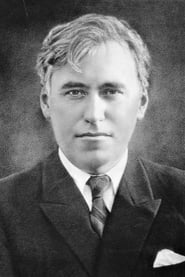
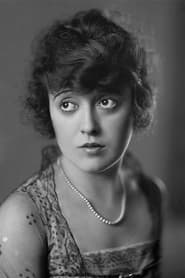
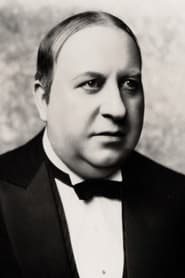
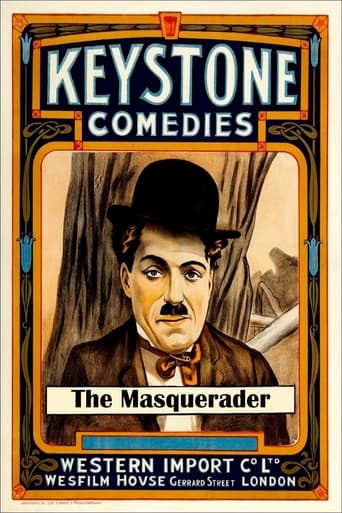
Three men compete for a pretty girl's attention, and the little tramp among them plays dirty to win. Mack Sennett directs Charlie Chaplin and Mabel Normand in a Keystone farce built around rivalry, a mallet, and escalating slapstick.
Cast & crew
More films like this
More Comedy films
View all →







More from Mack Sennett
View all →

More about this film
About the production
Release dateJuly 1914
BudgetTypical Keystone one-reeler budget of approximately $500-800
Box officeBox office records for shorts of this period were not systematically maintained, but it was commercially successful as part of Keystone's popular release slate
ProductionKeystone Film Company
Filmed inKeystone Studios, Edendale, Los Angeles, California
The film was shot in just one or two days following Keystone's rapid production schedule. The mallet prop became a recurring element in several Keystone comedies due to its visual effectiveness. The production relied heavily on improvisation, with Chaplin already beginning to assert creative control over his character's behavior and gags despite being relatively new to the studio.
Themes
Themes & topics
Historical background
The Fatal Mallet appeared in 1914, when the silent era before Hollywood consolidated into a studio system shaped how movies were financed, distributed, and discussed. Audiences of the day encountered the work amid shifting tastes in acting, pacing, and spectacle. Its focus on three men compete for the attentions of a pretty girl mirrors themes circulating in popular culture of that moment.
Why this film matters
The Fatal Mallet (1914) belongs to the wider archive of world cinema, documenting three men compete for the attentions of a. Archivists and historians value such titles for what they reveal about craft, genre, and audience expectations. Restorations and festival screenings keep the work visible to viewers far beyond its first run.
Making of
The production of 'The Fatal Mallet' exemplified the chaotic energy of Keystone Studios in 1914. Chaplin, having joined Keystone only months earlier, was already chafing under Sennett's direction and beginning to develop his own comedic approach. The set was characterized by rapid shooting with minimal rehearsal, relying on the performers' improvisational skills. Mabel Normand, an established star at Keystone, helped mentor the relatively inexperienced Chaplin in film acting techniques. The mallet prop was likely chosen for its visual impact and versatility in creating slapstick gags. Sennett's directing style emphasized action and speed over subtlety, though Chaplin was already beginning to inject moments of character and pathos into his performances that would later define his work.
What critics said
Press coverage from 1914 is fragmentary for many titles of this vintage; surviving notices for The Fatal Mallet tend to stress novelty, star power, or topical appeal. Later writing places the picture within its national and generic context, weighing both period conventions and moments that still land for modern viewers. Streaming and disc releases have revived discussion among classic-film audiences.
Did you know?
- This was one of the first films where Chaplin's Tramp character was fully developed, showing his signature cane and hat combination
- Mabel Normand was one of the highest-paid and most popular actresses of the 1910s, often headlining films with Chaplin
- Mack Sennett frequently cast himself in his own productions, typically as a comic foil or romantic rival
- The film was released during Chaplin's explosive first year at Keystone, where he made over 30 short films
- The mallet gag was inspired by popular vaudeville routines that Sennett adapted for cinema
- Chaplin was still perfecting his famous 'little tramp' walk in this early film
- Keystone's production schedule was so rapid that films like this were often conceived, shot, and edited within a week
- The film showcases the raw, improvisational style that made Keystone comedies popular before more sophisticated comedic techniques emerged
- This was one of several films where Chaplin and Normand played romantic interests, both on and off-screen
- The title 'The Fatal Mallet' was typical of Keystone's dramatic, attention-grabbing naming conventions for comedies
Visual style
The cinematography by Frank D. Williams follows typical Keystone practices with static, wide-angle shots designed to capture the full range of physical action. The camera placement prioritizes clarity of the slapstick gags over artistic composition. The film uses basic editing techniques with straight cuts between scenes, though it includes some innovative chase sequence editing that creates momentum. The visual style is bright and clear, characteristic of Keystone's approach to comedy that emphasized visibility of the performers' actions.
Innovations
While not technically groundbreaking, the film demonstrates sophisticated timing in its physical comedy sequences. The mallet gags required precise coordination between performers to achieve maximum comedic effect without actual injury. The chase sequences showcase early examples of spatial editing that creates coherent geography despite the rapid movement. The film also demonstrates Keystone's efficient production system that could release high-quality comedies on a weekly schedule.
Music
As a silent film, 'The Fatal Mallet' would have been accompanied by live music in theaters. Typical Keystone presentations featured piano or organ accompaniment using popular classical pieces, ragtime tunes, or improvisational music matched to the on-screen action. The score would have emphasized the comedic moments with stinger chords and accelerated tempo during chase sequences. No original composed score exists for this film, as was standard practice for shorts of this period.
Memorable scenes
- The climactic mallet battle where all three rivals engage in increasingly absurd combat with the oversized prop, showcasing Chaplin's ability to turn violence into comedy through precise timing and exaggerated reactions
What audiences thought
The film was popular with contemporary audiences, who were increasingly drawn to Chaplin's distinctive character. Movie theaters reported strong attendance for Keystone comedies featuring the Tramp, with audience members often requesting encores of particularly funny scenes. The physical comedy, especially the mallet gags, proved especially effective with working-class audiences who made up the bulk of early cinema patrons. The film contributed to the growing phenomenon of 'Chaplin-mania' that would sweep the nation and eventually the world.
Film connections
Influenced by
- Vaudeville comedy traditions
- Burlesque humor
- Max Sennett's Keystone style
- French comedy films
- Music hall performance
This film influenced
- Later Keystone comedies
- Harold Lloyd's safety comedies
- Buster Keaton's physical comedies
- The Three Stooges shorts
- Jackie Chan's action comedies
Film restoration
The film survives in complete form and has been preserved by film archives including the Museum of Modern Art and the Library of Congress. Multiple copies exist in various film archives worldwide, and it has been digitized for preservation purposes. The surviving prints are in relatively good condition for a film of this vintage.
Where to watch
- YouTube (various public domain uploads)
- Internet Archive
- The Criterion Channel (as part of Chaplin collections)
- Kino Lorber DVD releases
- Flicker Alley streaming service
- Classic film streaming platforms specializing in silent cinema