
Films
4 films


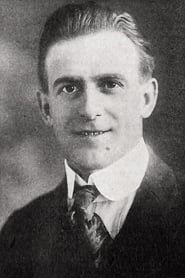
About Edwin Frazee
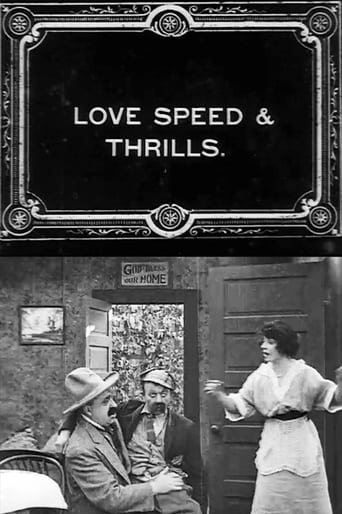
Silent-era screen actor: documented film activity places him briefly in American cinema during 1914 and 1915. He is Edwin Frazee appeared in a small but notable cluster of comedy films associated with the early Keystone-style farce tradition, including Recreation, Those Love Pangs, His Trysting Places, and Love, Speed and Thrills. The surviving record suggests that he worked during the formative years of slapstick feature and short comedy production, when many performers appeared in a limited number of films and were often unbilled or sparsely documented. Because his screen credits are few and detailed biographical sources are scarce, much of his life outside these film appearances remains unknown. His filmography nonetheless places him within the bustling early ecosystem of silent comedy, a period when studio production was rapidly expanding and actors frequently moved among one-reel and feature-length farces. Edwin Frazee appears to have been one of the many working performers whose names survive primarily through film credits and archival indexes rather than through extensive press coverage or later-star biographies. In the absence of stronger biographical documentation, he is best understood as a minor but genuine participant in the silent-era comedy scene.
The Craft
On Screen
No surviving descriptive criticism of Edwin Frazee's acting style has been located in readily available historical sources. Based on the films in which he appeared, his performance style would have been shaped by silent-era physical comedy conventions, including broad gestures, timing-based reactions, and visual expressiveness suited to farce. Actors in this environment typically relied on clear pantomime and ensemble interaction rather than individualized dialogue-based characterization. Frazee's screen work should therefore be understood within the highly visual, exaggerated, and rhythm-driven acting practices common to early 1910s comedy filmmaking.
Milestones
- Appeared in early silent comedies during the 1914-1915 period, a formative moment in American screen comedy
- Received screen credits in Recreation (1914), Those Love Pangs (1914), His Trysting Places (1914), and Love, Speed and Thrills (1915)
- Worked in the era when slapstick and farce were becoming major commercial genres in the United States
- Participated in films connected with the early development of feature-length comedy presentation
- Left a compact but verifiable film record that places him among the many supporting performers of the silent era
Best Known For
Iconic Roles
Must-See Films
Why They Matter
Impact on Culture
Edwin Frazee's cultural impact is best understood as part of the collective labor force that made the early American silent comedy industry possible. While he was not a major star whose image shaped mass culture, his appearances in early 1910s comedies connect him to the era when film comedy was defining its grammar through physical gags, domestic farce, and rapid production schedules. Performers like Frazee helped populate the screen worlds that audiences recognized as modern entertainment, even when their names were not widely promoted. His surviving credits also provide historians with evidence of how many working actors contributed to the silent-era studio system without leaving extensive personal archives. In broader film-history terms, Frazee represents the category of early screen performer whose importance is archival as much as performative. The existence of his credits helps reconstruct production networks, casting patterns, and the circulation of talent in the 1914-1915 comedy scene. He is part of the background cast of cinema history: not a headline figure, but an authentic participant in the formation of narrative screen comedy. For researchers and database users, his value lies in documenting the breadth of early film labor and the many careers that flickered briefly across the silent screen.
Lasting Legacy
Edwin Frazee's lasting legacy is the preservation of his name in early film records and surviving filmographies. Even with limited personal documentation, his credited appearances ensure that he remains part of the historical record of silent cinema. His career illustrates how many early film workers are remembered not through celebrity but through the handful of productions they helped bring to life. For historians of silent comedy, such names are important because they help map the industry beyond the best-known stars and directors. Frazee's legacy also lies in the continuity of archival scholarship. As older production records are cataloged and cross-referenced, minor credited performers like him become increasingly visible, allowing a fuller understanding of the silent-era workforce. He stands as an example of the numerous actors whose short careers still contributed to the texture and development of early American film comedy. His name endures as part of the collective memory of classic cinema, even when the details of his life have largely been lost.
Who They Inspired
There is no evidence that Edwin Frazee directly influenced later actors or filmmakers in a documented, personal sense. His influence is indirect and historical: by participating in early silent comedies, he contributed to the ensemble tradition and performance vocabulary that later comedians and supporting players inherited. The broader silent-era acting style he helped populate emphasized timing, visual clarity, and exaggerated physical expression, elements that remained foundational in screen comedy. In that sense, his work is part of the historical substrate from which later film acting developed.
Off Screen
No reliable public information about Edwin Frazee's personal life, family background, marriages, or children has been identified in standard classic-cinema reference sources. Unlike major stars of the period, he does not appear to have generated a substantial surviving press profile or widely documented off-screen biography. As a result, details such as residence, family connections, education, and later life remain unavailable from the currently accessible record. He is one of many early film performers whose name survives more securely in production credits than in personal documentation.
Did You Know?
- Edwin Frazee's surviving filmography is very small, which is common for many silent-era supporting performers whose careers were briefly documented.
- He is Edwin Frazee appeared in at least four early comedies from 1914 and 1915.
- His screen work places him in the formative years of American film comedy, before the silent era reached its peak in the late 1910s and 1920s.
- Much of what is known about him comes from film credit databases rather than from newspaper profiles or studio publicity.
- He is one of many performers whose careers are visible mainly through archival reconstruction rather than biographies.
- The titles associated with him suggest a strong connection to domestic and romantic farce, a staple of early silent comedy.
- His documented activity spans only a short period, which may indicate either a brief acting career or incomplete surviving records.
- Because no strong personal documentation survives, he is often of interest to researchers studying forgotten or under-recorded silent performers.
Frequently Asked Questions
Who was Edwin Frazee?
Silent-era film with credits in this catalog. He is best known from surviving credits in a small group of comedy films released between 1914 and 1915.
What films is Edwin Frazee best known for?
Titles linked here include Recreation (1914), Those Love Pangs (1914).
When was Edwin Frazee born and when did he die?
His birth date and death date are not readily documented in standard available classic-cinema references. The surviving record focuses primarily on his brief filmography rather than on personal biographical details.
What awards did Edwin Frazee win?
No awards, nominations, or formal honors are known for Edwin Frazee in the available historical record. He appears to have worked during a period when many supporting performers were not publicly recognized with industry awards.
What was Edwin Frazee's acting style?
No detailed contemporary description of his acting style has survived, but his work would have fit the silent-era comedy tradition. That likely meant expressive physical performance, clear pantomime, and strong visual timing suited to farce.
Why is Edwin Frazee important to film history?
He represents the many working actors who helped build early American cinema even when they did not become stars. His credits help historians reconstruct the cast and production networks of silent comedy in the 1910s.