Ambrose's Sour Grapes
"Twins double the heartache"
Keys: Space play/pause · ←/→ 10s · F fullscreen · M mute · </> speed
About this film
Ambrose loses his girlfriend to rival Harry Gribbon in the park, then confusion multiplies when her twin sister arrives with a husband. Mack Swain stars in this 1915 Keystone farce of doubled identities.
Cast & crew
More films like this
More from Walter Wright
View all →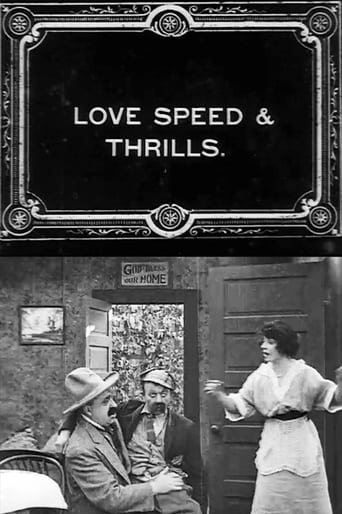

More about this film
About the production
Release dateMarch 15, 1915
ProductionKeystone Film Company
Filmed inLos Angeles, California
This was one of the Keystone shorts produced during the studio's peak comedy period. The film was shot quickly on location in a Los Angeles park, typical of Keystone's efficient production methods. The twin premise was a popular comedy trope in silent films, allowing for maximum confusion and physical comedy opportunities.
Themes
Themes & topics
Historical background
Ambrose's Sour Grapes belongs to Keystone's twin-switch comedies, a reliable gag structure in mid-1910s shorts.
Why this film matters
As a typical Keystone comedy, 'Ambrose's Sour Grapes' represents the style of humor that dominated American silent comedy before the more sophisticated character-driven comedies of Charlie Chaplin and Buster Keaton became prevalent. The film exemplifies the Keystone formula of simple premises leading to escalating chaos and physical comedy. Mack Swain's Ambrose character was part of the stock company approach that defined early Hollywood, where recognizable character types appeared across multiple films. The mistaken identity trope with twins would become a recurring device in comedy throughout film history. This short also represents the transitional period when American cinema was moving from the novelty stage to becoming a sophisticated art form with established genres and audience expectations.
Making of
Like most Keystone productions of the era, 'Ambrose's Sour Grapes' was made quickly and efficiently as part of the studio's factory-like output of comedy shorts. Walter Wright, one of Keystone's reliable directors, worked with the studio's stock company of actors who were familiar with each other's timing and comedy styles. The twin premise would have required careful blocking and timing to execute the mistaken identity gags effectively. Mack Swain, already an established comedy star by 1915, brought his signature physical comedy style to the role of Ambrose. The film was likely shot in just one or two days on location in a Los Angeles area park, with minimal sets required. Keystone's production methods emphasized spontaneity and improvisation within the basic plot structure, allowing actors to contribute their own gags and business.
What critics said
Seen as a typical Swain vehicle; comedy historians note the twin trope's persistence in silent two-reelers.
Did you know?
- This was part of the 'Ambrose' series of shorts featuring Mack Swain as the character Ambrose, one of Keystone's recurring comedy personas
- Harry Gribbon, who plays Ambrose's rival, was a Keystone regular who often appeared alongside his brother Eddie Gribbon in comedies
- The twin sister plot device was a common trope in silent comedies, allowing for maximum visual confusion and mistaken identity humor
- Director Walter Wright was one of Keystone's house directors during this period, working on numerous shorts featuring the studio's stock company of actors
- Keystone films of this era were typically shot in just a few days, reflecting the studio's high-volume production schedule
- The park setting was a common location for Keystone comedies, providing open space for physical comedy and chase sequences
- Mack Swain's Ambrose character was known for his portly build and expressive face, making him ideal for physical comedy
- 1915 was a peak year for Keystone Studios, before the departure of many key talents including Charlie Chaplin
Visual style
The cinematography in 'Ambrose's Sour Grapes' would have been straightforward and functional, typical of Keystone productions of 1915. The camera would have been relatively static, positioned to capture the full action of the physical comedy gags. Outdoor shooting in the park would have provided natural lighting, avoiding the technical challenges of indoor lighting that still plagued early filmmaking. The focus would have been on clearly showing the actors' expressions and movements, essential for visual comedy in the silent era. Long takes would have been preferred to maintain the rhythm of the slapstick sequences, with editing used primarily to show different angles of the action or to cut between the confused characters.
Innovations
As a standard Keystone short, 'Ambrose's Sour Grapes' does not appear to feature any notable technical innovations. The film represents the established production methods of the mid-1910s rather than pushing technical boundaries. The technical aspects would have been competent but basic, focusing on clarity and functionality rather than artistic experimentation. The main technical challenge would have been executing the twin sequences effectively, requiring careful timing and positioning of the actress playing both sisters. This would have been achieved through simple editing techniques rather than sophisticated optical effects, as the technology for complex split-screen effects was still in its infancy.
Music
As a silent film, 'Ambrose's Sour Grapes' had no synchronized soundtrack. During its original theatrical run, it would have been accompanied by live music, typically a pianist or small theater organist who would improvise appropriate music to match the on-screen action. The accompaniment would have included popular songs of the era, classical pieces, and mood-appropriate original improvisations. For comedy scenes, upbeat, playful music would have been used, while more romantic or confused moments might have been accompanied by contrasting musical themes. The quality and style of musical accompaniment would have varied significantly depending on the theater's resources and the skill of the resident musician.
Memorable scenes
- The chaotic park sequence where both twins appear simultaneously, causing mass confusion among all the male characters as they attempt to identify which woman is which
What audiences thought
Audiences of 1915 would have received 'Ambrose's Sour Grapes' as typical Keystone fare - fast-paced, silly, and filled with physical comedy. Mack Swain was a popular comic actor, and films featuring his Ambrose character were reliable crowd-pleasers. The mistaken identity premise with twins would have been immediately understandable and provided the expected confusion and humor that audiences sought from comedy shorts. These films were designed to be shown as part of a varied program, often preceding a feature film, and served as light entertainment between more substantial offerings. The simple, visual nature of the humor made these shorts accessible to audiences of all backgrounds and literacy levels, contributing to their broad appeal during the silent era.
Film connections
Influenced by
- Earlier Keystone comedies
- Mack Sennett's comedy style
- Vaudeville traditions
- French farce
- Commedia dell'arte
This film influenced
- Later twin comedy films
- Mistaken identity comedies
- Slapstick shorts of the late 1910s
Film restoration
Like many Keystone shorts from this period, the preservation status of 'Ambrose's Sour Grapes' is uncertain. Many films from Keystone's 1915 output have been lost due to the unstable nature of early nitrate film stock and the studio's practice of not valuing their shorts for long-term preservation. Some Keystone shorts survive in archives or private collections, while others exist only in fragmentary form. The film may be preserved in film archives such as the Library of Congress, the Museum of Modern Art, or the Academy Film Archive, but comprehensive catalogs of surviving Keystone titles are incomplete.
Where to watch
- Due to its age and uncertain preservation status, 'Ambrose's Sour Grapes' is likely not commercially available on modern home video formats. If it survives, it may be accessible through film archives, specialized silent film collections, or occasionally shown at silent film festivals or museum screenings. Some public domain silent film websites might contain the title if it has survived and entered the public domain.