Films
4 films

About Walter Wright
American film director who worked during the silent era, primarily with Mack Sennett's Keystone Studios in the mid-1910s. He directed numerous comedy shorts featuring the studio's regular players, including the popular Ambrose character portrayed by Mack Swain. Wright was part of the creative team that helped establish the distinctive slapstick comedy style that became synonymous with Keystone Studios during this period. His directing career, while brief, was remarkably productive, with most of his work concentrated between 1914 and 1916. Like many directors of this era, he often worked on multiple projects simultaneously, directing dozens of shorts in a single year. After his time at Keystone, Wright's film career appears to have ended, as he's not credited with directing work beyond the mid-1910s. His films, while not as well-remembered as those of some of his contemporaries, represent an important part of the development of American film comedy and the Keystone legacy.
The Craft
Behind the Camera
Wright's directing style was typical of Keystone comedies of the era - fast-paced, physical, and focused on slapstick humor. His films featured the rapid-fire gags, elaborate chase sequences, and visual comedy that made Keystone famous. Like other Keystone directors, he worked quickly and efficiently, often completing shorts in just a few days of shooting while maintaining the high energy and chaotic humor that audiences expected from the studio.
Milestones
- Directed numerous comedy shorts for Mack Sennett's Keystone Studios
- Worked with major silent comedy stars like Mack Swain, Chester Conklin, and Mabel Normand
- Contributed to the development of the Keystone comedy style
- Directed films featuring the popular Ambrose character
- Part of Keystone's golden era of comedy production
Best Known For
Must-See Films
Working Relationships
Worked Often With
Studios
Why They Matter
Impact on Culture
Walter Wright contributed to the development of American film comedy during its formative years through his work at Keystone Studios. The Keystone style he helped establish influenced generations of comedians and filmmakers who followed. His films, particularly those featuring the Ambrose character, were popular with audiences of the time and represent an important part of silent comedy history. The rapid-fire gags, chase sequences, and physical comedy techniques he employed became hallmarks of American comedy cinema.
Lasting Legacy
While Walter Wright is not as well-remembered as some of his contemporaries like Charlie Chaplin or Buster Keaton, his work forms part of the foundation of American film comedy. The shorts he directed for Keystone Studios helped establish the language of screen comedy that would evolve throughout the 20th century. His films, though many are now lost, provide valuable insight into the early development of comedy as a cinematic art form and the studio system that dominated Hollywood's early years.
Who They Inspired
Wright's work at Keystone influenced the broader development of film comedy through the studio's impact on the genre. The Keystone style of rapid, physical comedy that he helped perfect influenced countless comedians and directors who followed. The techniques and approaches to comedy timing, visual gags, and chase sequences that appeared in his films became part of the standard vocabulary of American comedy cinema.
Off Screen
Very little is documented about Walter Wright's personal life, which is not uncommon for directors from this era who had relatively brief careers and weren't major stars. Most biographical information about early film personnel focuses on their professional work rather than personal details.
Did You Know?
- Walter Wright directed at least 40 films during his brief career
- Most of his work was for Mack Sennett's Keystone Studios
- He frequently directed films starring Mack Swain as the character Ambrose
- The 'Walrus' character that appeared in several of his films was played by Chester Conklin
- Many of his films are now considered lost, as was common with silent shorts
- His directing career appears to have ended around 1916
- He worked during the peak years of Keystone's popularity
- His films often featured elaborate chase sequences, a hallmark of Keystone comedies
- Like many Keystone directors, he could complete a short film in just 2-3 days
- The Ambrose character he frequently directed was one of Keystone's most popular recurring characters
Frequently Asked Questions
Who was Walter Wright?
American on YTB.my. He was known for his work with the Ambrose character played by Mack Swain and contributed to the development of the distinctive Keystone comedy style.
What films is Walter Wright best known for?
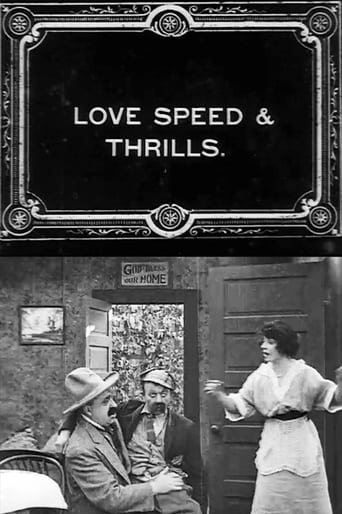
Titles linked here include Love, Speed and Thrills (1915), Ambrose's Sour Grapes (1915).
When was Walter Wright born and when did he die?
Unfortunately, specific birth and death dates for Walter Wright are not available in historical records. This is not uncommon for directors from the silent era who had relatively brief careers and weren't major stars. His active directing period is known to have been between 1914 and 1916.
What awards did Walter Wright win?
Walter Wright did not receive any major awards or nominations for his work. During the silent era, formal award systems for film achievements were not yet established, and many directors of his era worked without the recognition systems that would later develop in Hollywood.
What was Walter Wright's directing style?
Wright's directing style was typical of Keystone comedies - fast-paced, physical, and focused on slapstick humor. His films featured rapid-fire gags, elaborate chase sequences, and visual comedy that made Keystone famous. He worked quickly and efficiently, often completing shorts in just a few days while maintaining the high energy audiences expected from Keystone productions.