
Balked at the Altar
"A woman who is filled with romantic ideas is making no secret of her eagerness to find a…"
Keys: Space play/pause · ←/→ 10s · F fullscreen · M mute · </> speed
About this film
A woman who is filled with romantic ideas is making no secret of her eagerness to find a husband. Her father decides to help her by pressuring and threatening an eligible bachelor, who reluctantly allows wedding plans to be made.
Cast & crew
More films like this

More Comedy films
View all →







More from D.W. Griffith
View all →

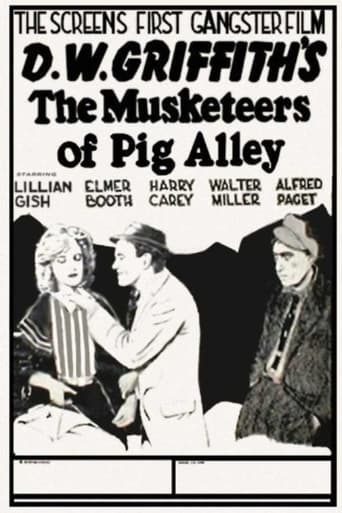
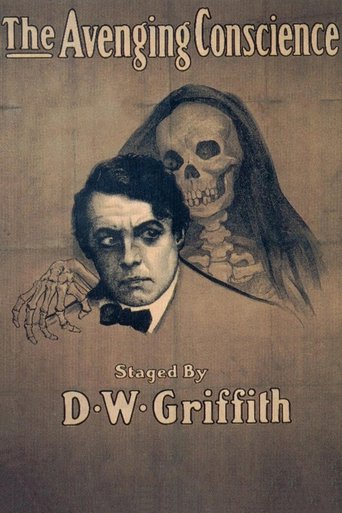
More about this film
About the production
Release dateOctober 1908
Box officeUnknown (Biograph films were rented to theaters rather than sold, so individual box office figures weren't tracked)
ProductionAmerican Mutoscope and Biograph Company
Filmed inNew York City, Fort Lee, New Jersey
This was one of D.W. Griffith's early directorial efforts for Biograph, filmed during the company's transition period between New York studios and their New Jersey facilities. The film was shot on 35mm black and white film stock typical of the era, with a single camera setup and minimal editing. As with most Biograph productions of this time, the film was created quickly, often being shot in a single day. The interior scenes were likely filmed on simple sets at the Biograph studio, while exterior scenes may have been shot on location in the burgeoning film production area of Fort Lee.
Themes
Courtship and marriageParental pressure and authoritySocial expectations and conformityGender roles in early 20th centuryThe comedy of social embarrassment
Themes & topics
Historical background
Balked at the Altar (1908) emerged during the earliest years of motion pictures. A woman who is filled with romantic ideas is making no secret of her eagerness to find a husband. Archival records and catalog entries help place the work within film-history surveys of the period.
Why this film matters
Preserved under Wikidata ID Q2629466, Balked at the Altar is valued as a comedy within catalog and archive collections. Wikipedia's "Balked at the Altar" entry connect it to broader histories of cinema exhibition and restoration.
Making of
The production of 'Balked at the Altar' took place during a crucial period in D.W. Griffith's development as a filmmaker. Having only recently begun directing for Biograph in 1908, Griffith was still learning the technical aspects of filmmaking while developing his narrative instincts. The film was likely shot with the cooperation of Biograph's stock company of actors, who would appear in multiple films each week. The casting of Mack Sennett is particularly noteworthy, as he was already showing the comedic talents that would make him famous, though he was still primarily an actor rather than a director at this point. The filming process would have been rudimentary by modern standards, with natural lighting, minimal sets, and camera positions that were largely static. Griffith was already beginning to experiment with camera movement and editing rhythms that would become more sophisticated in his later works. The film's production would have been completed in just one or two days, reflecting the rapid production schedule required by Biograph to supply the growing demand for motion pictures in nickelodeon theaters across America.
What critics said
Trade and archival sources offer limited day-one review coverage for Balked at the Altar. Modern reception rests on its availability in collections, repertory screenings, and reference works that document 1908 cinema.
Did you know?
- This was one of the first films where D.W. Griffith began experimenting with narrative storytelling techniques that would later become his trademark
- Mack Sennett, who appears in the cast, would later become famous as the 'King of Comedy' and founder of Keystone Studios
- Robert Harron, who plays one of the leads, would become one of Griffith's most frequently used actors, starring in major films like 'The Birth of a Nation' and 'Intolerance'
- The film was released during a period when Biograph was producing up to three short films per week to meet theater demand
- This film represents an early example of the 'wedding comedy' genre that would become popular in silent cinema
- The title 'Balked at the Altar' uses the word 'balked' in its older meaning of 'refused or hesitated at', a term less common in modern usage
- Like many films of this era, it was likely filmed without a detailed script, with actors improvising based on a basic story outline
- The film was part of Biograph's strategy to produce relatable, everyday comedy scenarios that appealed to working-class audiences
- This was released before Griffith's controversial epics, during his period of learning the craft of filmmaking through short subjects
- The film's preservation status makes it one of the relatively few surviving examples of Griffith's early 1908 work
Visual style
The cinematography of 'Balked at the Altar' reflects the technical limitations and standard practices of 1908 filmmaking. The film was likely shot by Billy Bitzer or another Biograph cameraman using a hand-cranked 35mm camera. The visual style would have featured static camera positions typical of the era, with the camera remaining fixed for most scenes to capture the action in a theatrical manner. Lighting would have been primarily natural light from studio windows or basic artificial lighting for interior scenes. The film would have been composed with a single camera setup per scene, creating a stage-like presentation. The cinematographer would have used medium shots to capture the actors' performances and emotions, as close-ups were still relatively rare in 1908. The black and white photography would have had the characteristic high contrast and occasional flicker of early film stock. Camera movement would have been minimal, though the occasional pan or tilt might have been used to follow action across the frame.
Innovations
While 'Balked at the Altar' does not represent a major technical breakthrough, it demonstrates the standard technical practices of American filmmaking in 1908. The film was shot on 35mm film using the standard Biograph camera, which was becoming the industry norm. The editing, while basic by modern standards, shows the beginning of continuity editing techniques that Griffith would later perfect. The film's narrative structure, telling a complete story with a beginning, middle, and end, was still relatively innovative for a short comedy of this period. The use of multiple locations and sets within a single film was becoming more common, showing the increasing sophistication of film production. The film's survival to the present day is itself a technical achievement, given the fragile nature of early film stock and the fact that an estimated 90% of films from this era have been lost. The preservation of this film allows modern scholars to study the technical evolution of cinema during this crucial period.
Music
As a silent film from 1908, 'Balked at the Altar' would have been accompanied by live music during its theatrical presentations. The specific musical score would have varied by theater and venue, ranging from a solo piano in smaller nickelodeons to a small orchestra in larger theaters. The music would have been selected from standard compilations of mood music that theater musicians used to accompany films. For a comedy like this, the music would likely have been light and upbeat during humorous scenes, becoming more dramatic or tense during the confrontation and altar scenes. Popular songs of the era might have been incorporated if they fit the mood of particular scenes. The musical accompaniment was crucial for conveying emotion and guiding audience reactions in the absence of dialogue. No original score was composed specifically for this film, as was typical for productions of this era. The musical experience would have been different at each showing, depending on the skill and resources of the individual theater's musicians.
Famous quotes
No recorded dialogue exists for this silent film, but intertitles would have included phrases like 'She dreams of wedding bells' and 'He refuses at the altar!'
Memorable scenes
- The climactic altar scene where the groom dramatically refuses to complete the wedding ceremony, creating chaos and embarrassment for the bride and her father
What audiences thought
Audiences in 1908 likely responded positively to 'Balked at the Altar' as it dealt with universally understood themes of romance, marriage, and family dynamics. The film's comedic approach to wedding mishaps would have been entertaining to nickelodeon patrons who were still experiencing the novelty of motion pictures. The relatable situation of parental pressure in marriage arrangements would have resonated with working-class and immigrant audiences who made up the bulk of early cinema viewers. The film's brevity and clear visual storytelling made it accessible to audiences of all backgrounds, including recent immigrants who might not have had strong English language skills. As part of Biograph's regular output, the film would have been seen by thousands of viewers across the United States in the weeks following its release. The combination of humor, romance, and a dramatic climax at the altar provided the emotional variety that early film audiences found engaging.
Film connections
Influenced by
- Stage comedies and vaudeville routines
- Earlier Biograph short comedies
- Domestic melodramas popular in literature and theater
- Social customs and courtship rituals of the Edwardian era
This film influenced
- Later wedding comedy shorts of the 1910s and 1920s
- Mack Sennett's Keystone comedies that featured similar chaotic situations
- Griffith's own later domestic comedies for Biograph
Film restoration
The film is preserved in film archives, though it may not be widely available to the public. As a Biograph production from 1908, it survives in the collection of the Museum of Modern Art and possibly other film archives. The preservation status of early Biograph films varies, with many surviving only in paper print copies submitted for copyright registration. The film has likely been restored or preserved on safety film stock from original nitrate materials or paper prints.
Where to watch
- The film may be available through specialized film archives
- Some early Griffith Biograph films are included in DVD collections of early cinema
- Possible availability through academic film libraries or cinema history websites specializing in silent films
- Museum of Modern Art's film collection (may be available for scholarly viewing)