No Poster
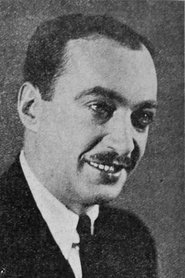
Wallace McCutcheon Sr.
Director
Born: 1858 in New York City, New York, United States Died: 1918 Active: 1900-1908 Birth Name: Wallace McCutcheon
Films
12 films
Her First Adventure
1908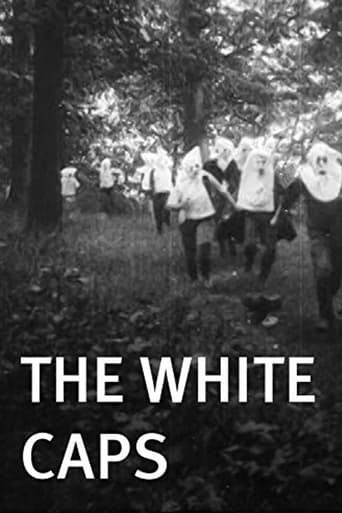
The White Caps
1905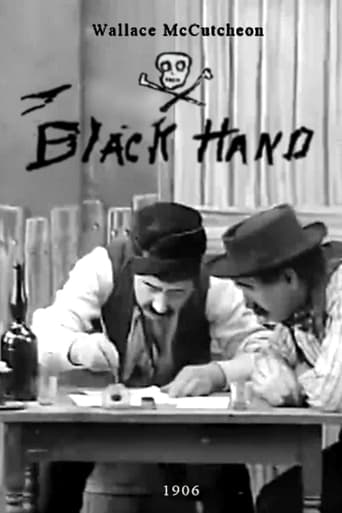
The Black Hand
1906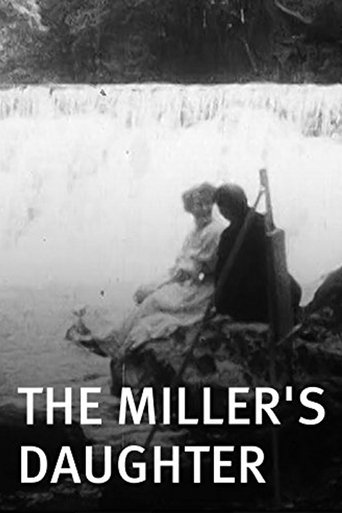
The Miller’s Daughter
1905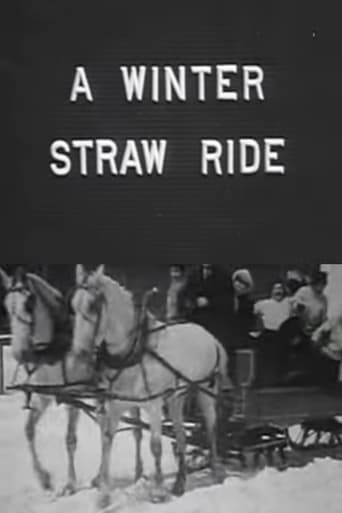
A Winter Straw Ride
1906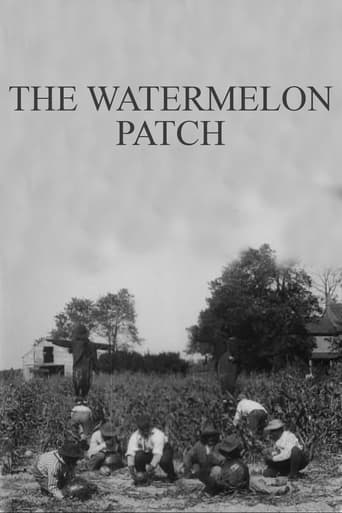
The Watermelon Patch
1905
The 'Teddy' Bears
1907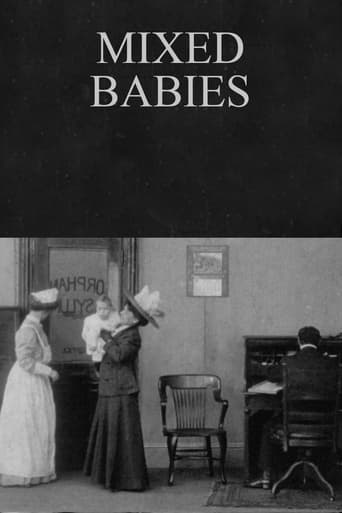
Mixed Babies
1908
The Sculptor's Nightmare
1908
The Boy Detective, or The Abductors Foiled
1908
From Leadville to Aspen: A Hold-Up in the Rockies
1906About Wallace McCutcheon Sr.
American film director and cinematographer who worked during the very dawn of cinema. He began his career around 1900, making him one of the first generation of filmmakers in America. McCutcheon worked primarily for the American Mutoscope and Biograph Company, where he directed numerous short films that were among the earliest examples of narrative cinema. His films often depicted contemporary life, crime stories, and social issues of the early 1900s. McCutcheon was instrumental in developing early film techniques and storytelling methods that would influence future generations of filmmakers. His career was relatively brief but significant, spanning from 1900 to approximately 1908, during which he directed dozens of short films. He also mentored his son, Wallace McCutcheon Jr., who would follow in his footsteps as a film director. McCutcheon Sr.'s work represents an important chapter in the evolution of American cinema from simple actualities to complex narrative films.
The Craft
Behind the Camera
Wallace McCutcheon Sr.'s directing style was characteristic of early cinema pioneers, focusing on clear, straightforward storytelling with minimal camera movement. His films often employed static camera positions typical of the period, but he showed innovation in staging and composition. McCutcheon demonstrated a particular talent for capturing contemporary urban life and social issues, making films that reflected the realities of turn-of-the-century America. His work with crime dramas like 'The Black Hand' showed early attempts at creating suspense and narrative tension within the constraints of early filmmaking technology.
Milestones
- Directed some of the earliest narrative films in American cinema
- Worked as principal director for American Mutoscope and Biograph Company
- Pioneered early film storytelling techniques
- Mentored his son Wallace McCutcheon Jr. In filmmaking
- Created films depicting early 20th century urban life and crime
Best Known For
Must-See Films
Accolades
Special Recognition
- Recognized as an early pioneer of American cinema
- His films are preserved in film archives as important historical documents
Working Relationships
Worked Often With
Studios
Why They Matter
Impact on Culture
Wallace McCutcheon Sr. Was part of the first generation of American filmmakers who helped establish cinema as a narrative medium. His films, particularly those depicting urban crime and social issues, provided early examples of how cinema could reflect contemporary society. McCutcheon's work with the Biograph Company contributed to the development of American film language and storytelling techniques. His films serve as important historical documents of turn-of-the-century American life, capturing the urban environment, social concerns, and cultural attitudes of the period. As an early pioneer, McCutcheon helped lay the groundwork for the narrative film traditions that would dominate American cinema in the decades to follow.
Lasting Legacy
Wallace McCutcheon Sr.'s legacy lies in his role as an early pioneer of American narrative cinema. Though his career was brief and occurred during cinema's infancy, his films represent important steps in the evolution from simple actualities to complex storytelling. His work with crime dramas and social commentary films showed early potential for cinema as a medium for addressing contemporary issues. McCutcheon's films are preserved in archives and studied by film historians as examples of early American filmmaking techniques and storytelling approaches. His influence extends through his son, Wallace McCutcheon Jr., who continued the family's contribution to early cinema.
Who They Inspired
McCutcheon influenced the development of early narrative film techniques, particularly in the crime and social drama genres. His work demonstrated how cinema could be used to tell stories about contemporary urban life, paving the way for later gangster films and social problem pictures. Through his mentoring of his son, Wallace McCutcheon Jr., his influence extended into the next generation of filmmakers. His approach to clear, straightforward storytelling within the technical constraints of early cinema provided a model for other directors working during the period.
Off Screen
Wallace McCutcheon Sr. Was married and had at least one son, Wallace McCutcheon Jr., who also became a film director. The family was involved in the early film industry during its formative years. McCutcheon Sr. Worked during a period when filmmaking was still considered a novelty rather than an art form, and his contributions helped establish cinema as a legitimate medium for storytelling. His career coincided with the rapid development of film technology and techniques in the early 20th century.
Education
No formal education in filmmaking available - he learned during the early experimental period of cinema
Family
- Unknown (married, spouse's name not documented in available sources)
Did You Know?
- One of the first generation of American film directors
- Worked during the transition period from actualities to narrative films
- His film 'The Black Hand' (1906) is considered one of the earliest gangster films
- Directed films for the American Mutoscope and Biograph Company, a major early studio
- His son Wallace McCutcheon Jr. Also became a director, creating a family legacy in early cinema
- Many of his films have been lost due to the deterioration of early film stock
- His films provide valuable historical documentation of turn-of-the-century American life
- Worked during the period when film was evolving from novelty to art form
- His crime films were among the first to explore urban criminal themes in cinema
- Contributed to establishing New York as an early center of American film production
In Their Own Words
No documented quotes from Wallace McCutcheon Sr. Are available from historical records, which was common for early filmmakers who were rarely interviewed or quoted in contemporary publications
Frequently Asked Questions
Who was Wallace McCutcheon Sr.?
American on YTB.my. He was one of the first generation of narrative filmmakers in America, directing dozens of short films that helped establish cinema as a storytelling medium.
What films is Wallace McCutcheon Sr. Best known for?
Titles linked here include How They Rob Men in Chicago (1900), The Black Hand (1906).
When was Wallace McCutcheon Sr. Born and when did he die?
Born 1858; died 1918.
What awards did Wallace McCutcheon Sr. Win?
Wallace McCutcheon Sr. Did not receive formal awards during his career, as he worked during the very early period of cinema before the establishment of major film awards like the Academy Awards. His recognition comes primarily from his historical importance as a cinema pioneer.
What was Wallace McCutcheon Sr.'s directing style?
McCutcheon's directing style was characteristic of early cinema, featuring straightforward storytelling with static camera positions typical of the period. He excelled at depicting contemporary urban life and social issues, showing innovation in staging and composition within the technical constraints of early filmmaking.
How did Wallace McCutcheon Sr. Influence cinema?
McCutcheon influenced cinema by helping establish narrative film techniques and demonstrating how cinema could address contemporary social issues. His crime films paved the way for the gangster genre, and his mentoring of his son Wallace McCutcheon Jr. Extended his influence into the next generation of filmmakers.
What studio did Wallace McCutcheon Sr. Work for?
Wallace McCutcheon Sr. Worked primarily for the American Mutoscope and Biograph Company,. Biograph was a major player during the years of American cinema.
What is Wallace McCutcheon Sr.'s legacy in film history?
McCutcheon's legacy lies in his role as an early pioneer who helped transform cinema from simple actualities to narrative storytelling. His films serve as important historical documents of turn-of-the-century American life and represent crucial steps in the development of American cinematic language.