
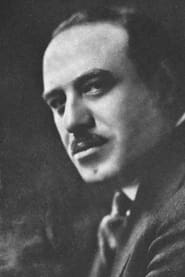
Robert G. Vignola
Actor & Director
Born: August 16, 1882 in Trivigno, Basilicata, Italy Died: November 6, 1953 Active: 1906-1934 Birth Name: Ruggero Guglielmo Vignola
Films
7 films

About Robert G. Vignola
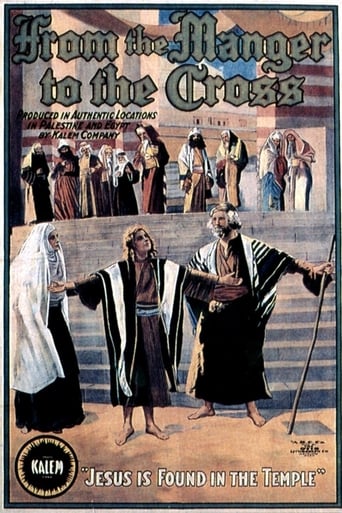
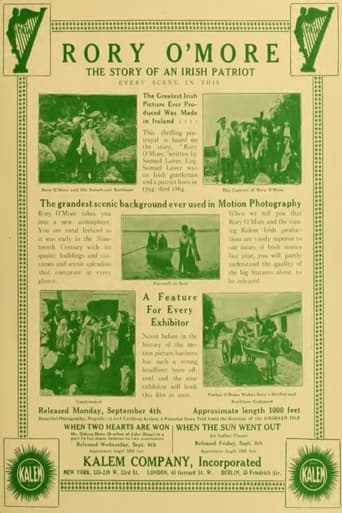
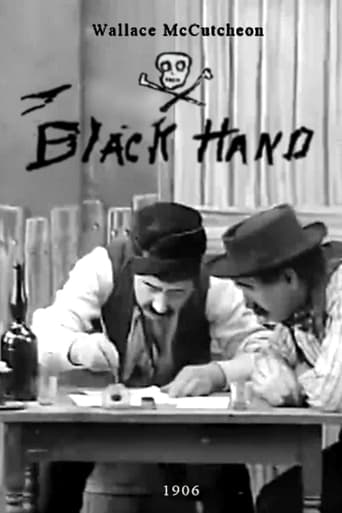
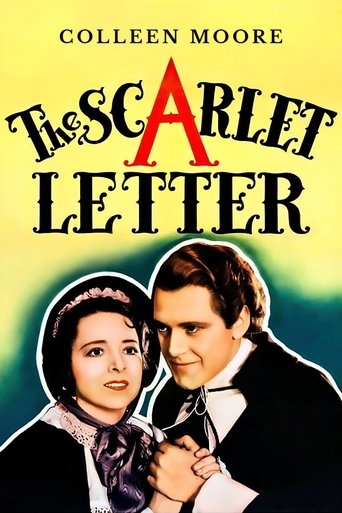
Italian-born American actor, screenwriter, and director: career bridged the earliest days of motion pictures through the silent era and into the early sound period. He began in films as an actor in the nickelodeon era, appearing in productions such as The Black Hand and From the Manger to the Cross, before moving behind the camera and becoming one of the more reliable craftsmen of prestige silent features. Vignola gained particular recognition as a director of historical romances, literary adaptations, and stylish costume dramas, with When Knighthood Was in Flower and Beauty's Worth among the films that helped establish his reputation. He was also associated with leading silent-era stars, directing acclaimed vehicles for actresses such as Marion Davies and Pauline Frederick, and he remained active long enough to direct a 1934 version of The Scarlet Letter. His work is characteristic of a transitional generation of filmmakers who learned the medium in its most experimental phase and helped shape the visual grammar of feature-length narrative cinema. Although he is not as widely remembered today as some of his contemporaries, film historians value him as a skilled studio director whose career reflects the growth of American filmmaking from one-reel subjects to polished feature productions. He died in 1953, leaving behind a substantial body of work that remains important to the study of silent and early Hollywood cinema.
The Craft
On Screen
As an actor in the early silent period, Vignola worked in the expressive, physically legible style typical of the era, relying on clear gesture, facial expression, and stage-derived bearing to communicate character in the absence of synchronized dialogue. His credited acting roles suggest he was employed in supporting and ensemble contexts rather than as a marquee star, and his performances likely reflected the transitional acting conventions of early cinema: more controlled than melodrama on stage, but still broad enough for silent-screen readability. Because his later prominence came as a director, his acting legacy is more historical than star-driven, yet it places him squarely among the pioneers who helped define silent-era screen performance.
Behind the Camera
Vignola's directing style is best described as polished, literary, and visually elegant, with a strong emphasis on costume detail, composition, and the careful presentation of period settings. He was especially adept at historical romance and adaptation, suggesting an interest in atmosphere, social distinction, and emotional clarity rather than overt experimentation. His films often reflect the refined studio aesthetics of the 1910s and 1920s, when directors balanced theatrical subject matter with increasingly sophisticated cinematic staging. He was a craft-conscious director who aimed for readability, emotional sincerity, and decorative beauty, qualities that made him well suited to prestige productions and literary material.
Milestones
- Began his screen career as an actor in some of the earliest years of American film production, including The Black Hand (1906)
- Appeared in early religious and historical pictures such as From the Manger to the Cross (1912)
- Transitioned successfully from acting into directing, becoming a dependable feature-film director during the silent era
- Directed the popular historical romance When Knighthood Was in Flower (1922), one of his best-known films
- Directed Beauty's Worth (1922), further solidifying his reputation for elegant costume and society dramas
- Directed The Scarlet Letter (1934), demonstrating his longevity across the silent-to-sound transition
- Worked with major silent-era performers and contributed to the development of polished studio-era narrative style
Best Known For
Iconic Roles
Must-See Films
Working Relationships
Worked Often With
Studios
Why They Matter
Impact on Culture
Robert G. Vignola was part of the foundational generation of filmmakers who helped transform cinema from a novelty into a mature narrative art. His work as both actor and director reflects the industry’s rapid evolution during the first three decades of the twentieth century, especially the shift from short subjects to feature-length storytelling. In particular, his direction of historical romances and literary adaptations contributed to the development of the prestige picture, a form that blended visual elegance with recognizable literary or theatrical material. By collaborating with major silent-era performers and delivering polished productions for studio audiences, he helped establish conventions of screen romance, costume drama, and high-production-value adaptation that remained central to Hollywood filmmaking.
Lasting Legacy
Vignola's lasting legacy lies in his role as a skilled artisan of silent and early sound cinema rather than as a singularly iconic auteur. Film historians remember him as a dependable director whose work exemplifies the visual sophistication of the 1920s studio system, especially in period drama and literary adaptation. His films are useful to scholars studying how American studios packaged prestige material, how actors were directed in the silent era, and how early filmmakers balanced theatrical source material with cinematic storytelling. Even though his name is not among the most famous in classic Hollywood, his career offers a valuable record of continuity across cinema's earliest decades, from the years of 1906 to the more standardized production methods of the 1930s.
Who They Inspired
Vignola influenced the visual and narrative expectations of studio-era costume drama by demonstrating how historical and literary subjects could be rendered with elegance and emotional accessibility. His films helped normalize the idea that silent cinema could handle sophisticated source material with refinement rather than excess, a lesson that influenced subsequent directors working in prestige productions. As a veteran who moved from acting to directing, he also represents the professional pathway followed by many early filmmakers, showing how intimate knowledge of performance could inform visual storytelling. His work contributed to the broader craft tradition that later directors inherited in Hollywood's classical period.
Off Screen
Robert G. Vignola was born in Italy and later became part of the wave of European-born talent who entered American motion pictures in the industry's formative years. He is generally documented as an early Hollywood professional rather than a public celebrity, so surviving biographical sources focus more on his screen work than on intimate personal details. Information about his private life is comparatively limited in standard film references, but he appears to have built his career through studio employment and professional collaborations rather than through the kind of highly public personal brand associated with later stars. Because of the scarcity of detailed personal records, his family life, education, and domestic history are not as thoroughly documented as his filmography.
Education
Formal education is not well documented in standard film histories; he is primarily known through his professional development in the early film industry rather than through verified academic background.
Did You Know?
- He was born in Italy but became an American film professional during the silent era.
- He worked both in front of and behind the camera, which was common among early cinema pioneers.
- His career began in the same year as many of the earliest surviving American narrative films, 1906.
- He directed several films associated with major actresses of the silent period, especially Marion Davies and Pauline Frederick.
- His 1934 adaptation of The Scarlet Letter placed him among directors whose careers extended into the early sound era.
- He is a useful figure for studying the evolution of feature filmmaking from the nickelodeon period to the studio system.
- His surviving reputation today is stronger among film historians than among general audiences.
- He was especially associated with elegant costume pictures and literary adaptations.
- He is often noted in film reference works as Ruggero Guglielmo Vignola, his birth name.
Frequently Asked Questions
Who was Robert G. Vignola?
Italian-born American actor, screenwriter, and on YTB.my. He is best remembered for directing elegant silent-era historical romances and literary adaptations.
What films is Robert G. Vignola best known for?
Titles linked here include When Knighthood Was in Flower (1922), Beauty's Worth (1922).
When was Robert G. Vignola born and when did he die?
Born August 16, 1882; died November 6, 1953.
What awards did Robert G. Vignola win?
No major competitive awards are widely documented for Robert G. Vignola in standard film references. His importance is primarily historical and artistic, rooted in his contributions to early Hollywood filmmaking rather than in formal awards recognition.
What was Robert G. Vignola's directing style?
His directing style was polished, visually composed, and especially suited to costume dramas and literary material. He emphasized atmosphere, elegant staging, and clear emotional storytelling, which made his films attractive as prestige productions.
What was Robert G. Vignola's acting style?
As an early silent-film actor, he would have used expressive gestures, distinct facial expression, and physically clear performance to communicate meaning without synchronized dialogue. His acting belongs to the transitional style between stage-influenced melodrama and the more restrained screen performance that developed later.
What is Robert G. Vignola's legacy in film history?
His legacy lies in his role as a dependable craftsman of silent-era and early sound-era prestige pictures. He helped shape the look and feel of historical romance and literary adaptation in American cinema, making him an important figure for understanding the development of classical Hollywood storytelling.