Films
1 film
About Stanner E.V. Taylor
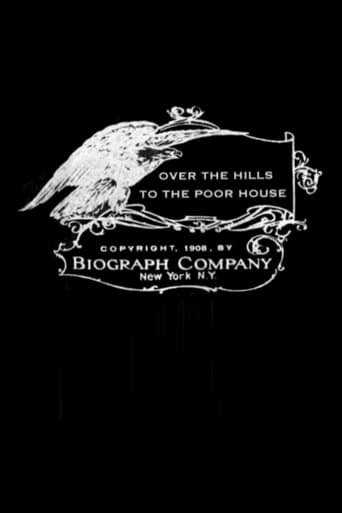
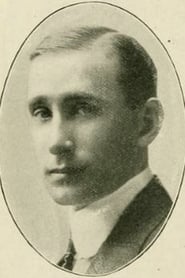
Early film director active during the days of cinema in 1908. About Taylor's life and career, reflecting how many early filmmakers have been lost to history despite their contributions to cinema's development. His sole credited work, 'Over the Hills to the Poor House' (1908), represents the type of short narrative films that were being produced during cinema's transition from simple actualities to storytelling. Taylor worked during a period when filmmaking was still experimental, with directors often wearing multiple hats including writer, producer, and sometimes even actor. The brevity of his known career suggests he may have been one of many early filmmakers who briefly participated in the new medium before moving on to other pursuits. Like many of his contemporaries from this era, Taylor's work contributed to the foundation of cinematic language and narrative techniques that would be built upon by future generations.
The Craft
Behind the Camera
Taylor's directing style would have been characteristic of early 1908 cinema, likely featuring static camera positions, theatrical staging influenced by stage plays, and simple narrative structures typical of the period's one-reel films.
Milestones
- Directed 'Over the Hills to the Poor House' (1908)
- Active during cinema's era
Best Known For
Must-See Films
Why They Matter
Impact on Culture
Stanner E.V. Taylor represents the countless anonymous or nearly forgotten pioneers who contributed to cinema's development during its infancy. While his individual impact may be difficult to trace due to limited documentation, filmmakers like Taylor were essential in establishing the basic vocabulary of cinematic storytelling. Their work during 1908 helped bridge the gap between the simple actualities of the early 1900s and the more sophisticated narratives that would emerge in the 1910s. Each early director, no matter how briefly active, contributed to the collective experimentation that ultimately shaped film as an art form.
Lasting Legacy
Taylor's legacy is primarily historical, serving as a reminder of the many early filmmakers whose names have been lost to time despite their contributions to cinema's birth. His sole surviving film credit places him among the directors working during a crucial transitional period when cinema was evolving from novelty to narrative art form. While he may not have achieved lasting fame, his work represents the collective effort of early filmmakers who established the foundations upon which classic Hollywood cinema would be built.
Who They Inspired
Due to the limited documentation of Taylor's career and work, his specific influence on other filmmakers cannot be traced. However, like all directors working in 1908, he would have been part of the broader experimental movement that developed early film techniques that later directors would refine and expand upon.
Off Screen
No documented information about Stanner E.V. Taylor's personal life survives in historical records, which is common for many early cinema pioneers who worked before the film industry established comprehensive documentation practices.
Did You Know?
- Taylor's entire known directorial active years covered only one year (1908)
- The title of his only known film 'Over the Hills to the Poor House' suggests it may have been a social commentary piece, common in early cinema
- 1908 was a pivotal year in cinema, with directors beginning to explore more complex narratives beyond simple chase films and comedies
- Many directors from this period worked anonymously, making complete filmographies difficult to compile
- The lack of information about Taylor reflects how many early cinema pioneers have been lost to history
- One-reel films like Taylor's were typically 10-15 minutes long and were the standard format of the era
Frequently Asked Questions
Who was Stanner E.V. Taylor?
Early on YTB.my.' Very little documented information survives about his life and career, making him one of the many nearly forgotten pioneers from cinema's earliest days.
What films is Stanner E.V. Taylor best known for?
Titles linked here include Over the Hills to the Poor House (1908).
When was Stanner E.V. Taylor born and when did he die?
Unfortunately, no documented information exists about Stanner E.V. Taylor's birth or death dates. This lack of biographical information is common for many early cinema figures who worked before the film industry established comprehensive record-keeping practices.
What awards did Stanner E.V. Taylor win?
Stanner E.V. Taylor did not receive any documented awards or honors. During 1908, the film industry had not yet established formal award systems, and most early filmmakers worked without the recognition that would later become standard in Hollywood.
What was Stanner E.V. Taylor's directing style?
While specific details about Taylor's directing style are not documented, his work in 1908 would have reflected the techniques of early cinema: likely featuring static camera positions, theatrical staging, and simple narrative structures typical of one-reel films from this period.