Guy Hedlund
Actor & Director
Born: July 21, 1884 in Stockholm, Sweden Died: December 29, 1964 Active: 1908-1920 Birth Name: Gustaf 'Guy' Hedlund
Films
8 films
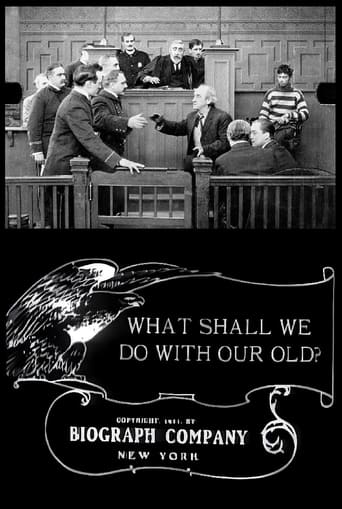
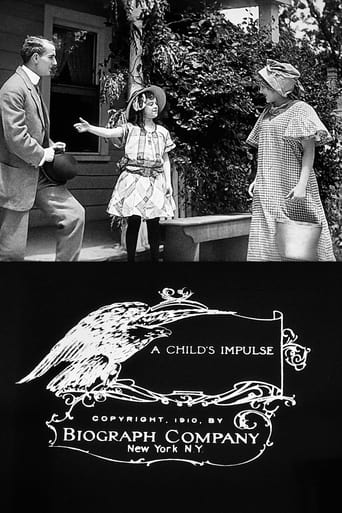
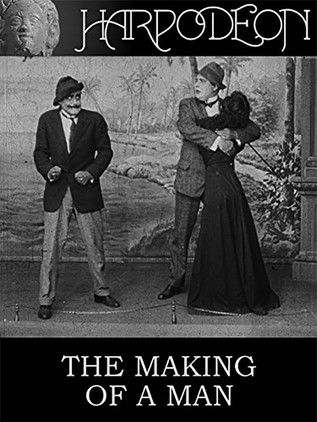
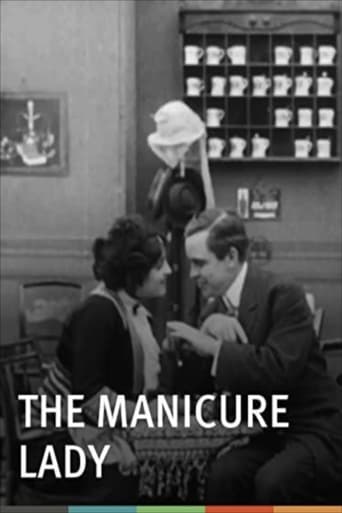
About Guy Hedlund
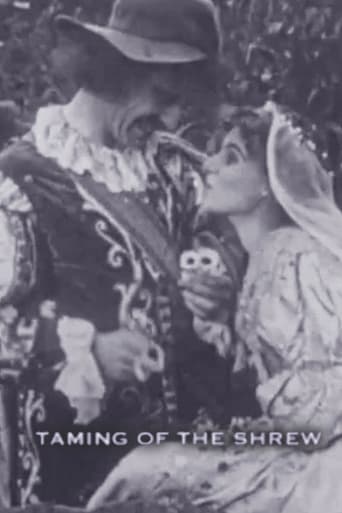
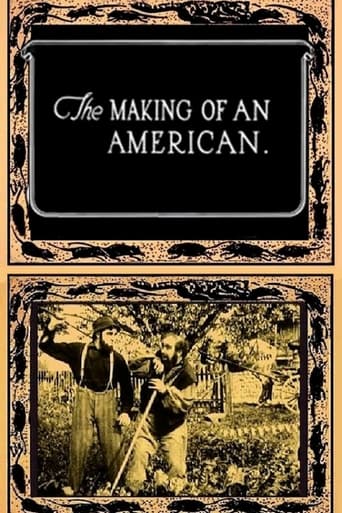
Made significant contributions to early silent cinema during the transitional period from nickelodeons to feature films. Beginning his career in 1908 with D.W. Griffith at the American Mutoscope and Biograph Company, Hedlund quickly became one of the reliable character actors in Griffith's stock company, appearing in over 100 films between 1908 and 1914. His performances in Griffith's works like 'The Taming of the Shrew' (1908) and 'The Lonedale Operator' (1911) demonstrated his versatility in both dramatic and comic roles. As the film industry evolved, Hedlund transitioned behind the camera, making his directorial debut with 'The Making of an American' in 1920, a film that reflected the immigrant experience he himself had lived. His the crucial developmental years of American cinema, from the early one-reelers to the emergence of feature-length productions. Though his name is not as widely remembered as some of his contemporaries, Hedlund's work helped establish the foundation of American film acting and storytelling techniques that would influence generations of filmmakers.
The Craft
On Screen
Hedlund was known for his naturalistic approach to acting during a period when theatrical pantomime was still common. He brought a subtle realism to his character roles, using minimal gestures and expressive facial features that translated well to the silent medium. His performances were marked by a versatility that allowed him to play both comedic and dramatic roles convincingly, often serving as a reliable supporting actor who could enhance the lead performances without overshadowing them.
Behind the Camera
As a director, Hedlund demonstrated a keen understanding of visual storytelling honed during his years as an actor. His directing style reflected the Griffith influence, emphasizing clear narrative progression and emotional authenticity. In 'The Making of an American,' he showed particular skill in handling social themes and immigrant experiences, using location shooting and natural lighting to create a sense of realism that was somewhat ahead of its time.
Milestones
- Early member of D.W. Griffith's Biograph stock company
- Appeared in over 100 silent films
- Transitioned from acting to directing in the 1920s
- Directed 'The Making of an American' (1920)
- Worked with directors D.W. Griffith and Mack Sennett
Best Known For
Iconic Roles
Must-See Films
Accolades
Special Recognition
- Contributor to early American cinema development
- Member of the Biograph Studios team
Working Relationships
Worked Often With
Studios
Why They Matter
Impact on Culture
Guy Hedlund represents the crucial transition from stage to screen acting that defined early cinema. As part of Griffith's company, he contributed to the development of film acting techniques that moved away from theatrical exaggeration toward more subtle, camera-appropriate performances. His work helped establish the template for character actors in American cinema, demonstrating the importance of reliable supporting players in creating believable film worlds. His directorial effort with 'The Making of an American' also contributed to early cinema's exploration of immigrant experiences and social themes, helping to establish film as a medium for addressing contemporary American issues.
Lasting Legacy
Though not a household name, Guy Hedlund's legacy endures through his contributions to over 100 early films that helped shape the language of American cinema. His performances in Griffith's works remain important artifacts of film history, showcasing the evolution of screen acting during its formative years. As part of the Biograph stock company, he participated in the creation of many cinematic firsts and innovations that would become standard in the industry. His transition from actor to director also exemplifies the mobility and entrepreneurial spirit of early filmmakers who often wore multiple hats in the rapidly developing film industry.
Who They Inspired
Hedlund's naturalistic acting style influenced younger performers at Biograph who were learning to adapt their skills for the camera. His ability to play diverse supporting roles helped establish the importance of character actors in film productions, a concept that remains central to filmmaking today. His work with Griffith contributed to the development of the American film acting tradition that would later be refined by stars of the Golden Age. His directorial work, though limited, demonstrated an understanding of social realism that would influence later filmmakers dealing with immigrant stories and American themes.
Off Screen
Guy Hedlund immigrated to the United States from Sweden as a young man, bringing with him the theatrical traditions of his homeland which he adapted to the new medium of film. He married fellow actress Claire McDowell in 1911, though the marriage ended in divorce. After retiring from the film industry in 1920, he largely disappeared from public life, focusing on business ventures outside of entertainment. His later years were spent in California, where he lived until his death in 1964, having witnessed the complete transformation of the film industry from its infancy to the Golden Age of Hollywood.
Education
Limited formal education, trained in theater and acting through practical experience in stock companies and early film studios
Family
- Claire McDowell (1911-1916)
Did You Know?
- Born in Stockholm, Sweden, and immigrated to America as a young man
- Was part of D.W. Griffith's original stock company at Biograph
- Appeared in both dramatic and comedic roles, showing remarkable versatility
- His marriage to actress Claire McDowell ended during the transitional period of his career
- Directed only one known feature film before leaving the industry
- Worked during the crucial period when film evolved from short subjects to feature-length productions
- Was present during the development of many fundamental film techniques by Griffith
- His active years covered the entire nickelodeon era
- Retired from films just as the industry was transitioning to sound
- Witnessed the complete transformation of cinema from novelty to art form
Frequently Asked Questions
Who was Guy Hedlund?
Swedish-American actor and on YTB.my. He was a member of D.W. Griffith's stock company at Biograph Studios and appeared in over 100 films before transitioning to directing.
What films is Guy Hedlund best known for?
Titles linked here include The Taming of the Shrew (1908), The Cord of Life (1909).
When was Guy Hedlund born and when did he die?
Born July 21, 1884; died December 29, 1964.
What awards did Guy Hedlund win?
Guy Hedlund did not receive any major formal awards during his career, as he worked during the early period of cinema before many industry awards were established. His contributions are recognized through his historical importance in early American film.
What was Guy Hedlund's acting style?
Hedlund was known for his naturalistic acting style that moved away from theatrical pantomime toward more subtle, camera-appropriate performances. He was versatile in both dramatic and comedic roles and was valued as a reliable character actor.
Did Guy Hedlund work with any famous directors?
Yes, Guy Hedlund worked extensively with D.W. Griffith at Biograph Studios and also collaborated with Mack Sennett. These directors were pioneers of early American cinema and Hedlund was part of their innovative teams.
Why did Guy Hedlund retire from films?
Hedlund retired from the film industry in 1920, shortly after directing his only known feature film. He left just as the industry was beginning major transitions including the move toward sound films, choosing to pursue other business ventures outside of entertainment.