A Child's Impulse
Plot
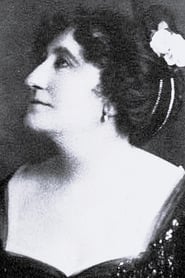
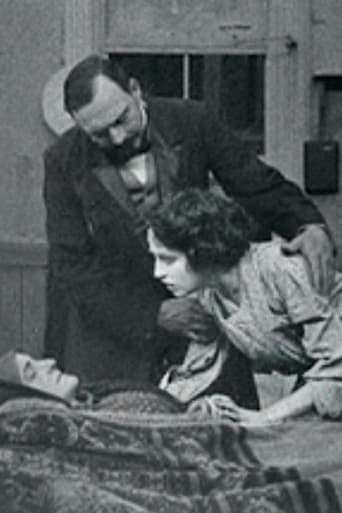
Mrs. Thurston, a stylish widow with social pretensions, hosts one of her favored Bohemian gatherings, where writers, artists, actors, musicians, and other fashionable guests gather under the guise of intellectual society. Though she initially enjoys the atmosphere of cultivated conversation and attention, the novelty wears thin and she becomes increasingly restless and dissatisfied. At one such party, Raymond Hartley, a wealthy young bachelor, is introduced to the circle by a newspaper man, and the widow is immediately drawn to him. Their attraction becomes the emotional center of the film, but the title suggests that an apparently small or impulsive emotional response will have consequences beyond the drawing room. Like many early Griffith dramas, the story uses intimate social behavior, flirtation, and moral tension to build toward a compact dramatic resolution.
About the Production
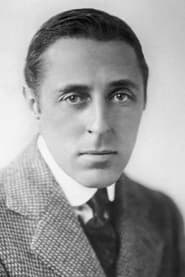
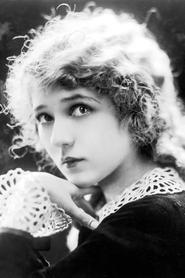
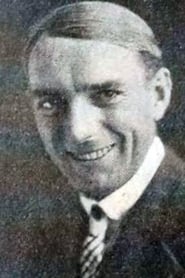
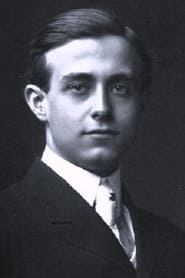
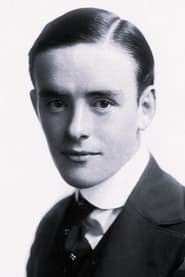
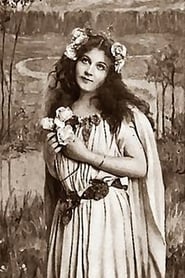
A Child's Impulse is an early Biograph one-reel drama directed by D. W. Griffith during the prolific 1910 period when the company was turning out short, story-driven films at a rapid pace. As with most Biograph productions of the era, the film was likely made quickly on a modest budget using repertory players and minimal sets, with the emphasis on clear emotional storytelling rather than elaborate production design. The surviving record is limited, so precise behind-the-scenes documentation such as exact shooting dates, production costs, and location specifics is not readily available. The cast list includes Mary Pickford and Charles West, both major Biograph stalwarts, indicating that the film drew on the studio's best-known performers to elevate a compact melodrama centered on social intrigue and romantic impulse.
Historical Background
In 1910, American cinema was still in the era of short subject filmmaking, with one-reel dramas forming the backbone of commercial film exhibition. D. W. Griffith was in the midst of transforming the medium through rapid experimentation with cutting, pacing, and actor-centered narrative, even while the industry still regarded film largely as a novelty or popular amusement rather than a prestige art form. The subject matter of A Child's Impulse reflects the Edwardian fascination with modern urban society, class performance, and the tension between respectability and desire. The presence of artists, actors, and journalists at a 'Bohemian' social gathering also mirrors the period's cultural anxieties and fascination with bohemianism as both fashionable and morally ambiguous.
Why This Film Matters
Although A Child's Impulse is not among Griffith's best-known or most frequently discussed works, it belongs to the foundational body of early American narrative cinema that helped define how short dramas could present character, motivation, and social conflict in a compressed form. The film is also culturally notable for featuring Mary Pickford during the formative phase of her screen career, before she became one of the most powerful figures in the silent era. Its focus on a socially ambitious widow and the emotional implications of flirtation at an art-world gathering reveals early cinema's interest in class-coded behavior and female interiority, subjects that would remain important throughout silent film melodrama. As a surviving title in filmographic records, it contributes to the historical understanding of how Griffith and Biograph developed the templates of domestic and social drama.
Making Of
A Child's Impulse was produced at a time when D. W. Griffith was directing an extraordinary volume of short films for Biograph, often one or two per week, which meant productions were designed for efficiency and speed. The company's creative process depended on a reliable ensemble of actors, and Mary Pickford's presence suggests the film was cast with performers known for strong expressive clarity in silent close-ups and stage-like blocking. The production would have relied on economical sets or domestic interiors rather than elaborate location work, since Biograph's short dramas typically prioritized readable action and emotional beats over spectacle. No detailed making-of records survive that identify unusual difficulties, but the film fits neatly into Griffith's pattern of refining performance, cross-cutting, and visual storytelling in compact narratives.
Visual Style
The cinematography would have followed standard Biograph practices of 1910: mostly static camera setups, carefully composed tableau-style framing, and an emphasis on readable body language and gesture. Griffith's films from this period often used cutting and slight variations in angle or distance to guide attention, even when the camera remained largely fixed by modern standards. Given the domestic and social setting of the story, the visual style likely relied on interior staging, balanced group compositions, and expressive acting within the frame. If any location work occurred, it would have been simple and functional, serving narrative economy rather than scenic display.
Innovations
The film does not appear to be associated with a single headline technical innovation, but it belongs to the important period in which Griffith and Biograph were refining cinematic storytelling through tighter scene construction and more purposeful editing. Early 1910 Griffith productions helped normalize close emotional observation, parallel dramatic structure, and economical visual exposition across a brief running time. In that sense, the film's technical significance lies in its participation in the broader evolution of narrative clarity rather than in a standalone invention.
Music
As a silent film, A Child's Impulse originally had no synchronized recorded soundtrack. Like most releases of the period, it would have been accompanied in theaters by live music, typically a pianist or small ensemble improvising or drawing from cue sheets and popular repertory suitable to the mood of the scene. No original published score is known to survive for the film. Modern screenings, if any, would depend on archive practice, accompanist interpretation, or generic silent-film music.
Memorable Scenes
- Mrs. Thurston presiding over her Bohemian salon, surrounded by artists, actors, musicians, and literary guests, while growing increasingly bored by the very sophistication she has curated.
- The introduction of Raymond Hartley into the gathering, after which the widow's emotional attention shifts immediately and the romantic conflict begins to take shape.
Did You Know?
- This is a Biograph short from D. W. Griffith's extremely productive 1910 output, part of the period when he was helping standardize the grammar of narrative film.
- Mary Pickford appears in the cast, making the film one of the many early titles that helped establish her screen persona before her rise to international stardom.
- The film's title reflects a common early-cinema fascination with moral psychology and spontaneous emotion, especially in domestic and upper-middle-class settings.
- The story is built around a 'Bohemian party,' a popular early 20th-century dramatic device that allowed filmmakers to contrast artistic sophistication with social vanity.
- Because the film is from 1910, it was almost certainly released as a one-reel silent picture, typical of Biograph's distribution model.
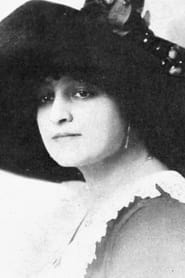
- D. W. Griffith often reused a stable stock company of actors, and Charles West and Vivian Prescott were among the many performers who moved frequently through his short dramas.
- As with many early Griffith titles, surviving documentation is sparse, so modern information often comes from catalog records and contemporary filmography references rather than full studio files.
- The film's exact original reception is difficult to reconstruct because many 1910 shorts were advertised and reviewed briefly in trade papers rather than in detailed feature-length criticism.
What Critics Said
Contemporary critical response is not well preserved in widely accessible sources, which is common for many 1910 Biograph one-reelers that were briefly reviewed in trade journals and newspaper listings rather than subjected to extended criticism. At the time, films like this were generally judged on their narrative clarity, emotional effectiveness, and the reputation of the director and performers. In retrospect, historians tend to view the film as a minor but useful example of Griffith's early short-form drama, valuable more for its place in the evolution of narrative filmmaking and for its cast than for any singular artistic breakthrough. Its modern reputation is therefore archival and historical rather than canonical.
What Audiences Thought
Direct audience-response records are not known to survive for this title, and no reliable box-office data is available. As a one-reel Biograph release, it would likely have played as part of a varied program in nickelodeons and early motion picture theaters, where audiences expected concise dramatic situations and clear emotional payoff. Viewers of the day were often drawn to familiar social types, recognizable star performers, and the novelty of seeing fashionable upper-class settings portrayed on screen. The film's appeal would have depended largely on the chemistry of its cast and the melodramatic tension of its premise.
Film Connections
Influenced By
- Stage melodrama
- Bohemian society comedies and dramas popular in turn-of-the-century fiction
- Early Biograph domestic dramas
This Film Influenced
- Later Griffith social melodramas
- Early silent films centered on upper-class domestic and romantic tension
You Might Also Like
More Drama Films
View allMore from D.W. Griffith
View allFilm Restoration
The survival status is uncertain in readily accessible reference sources; if extant, the film is held in archival collections or fragmentary prints, but it is not widely available and may survive only through catalog references and institutional records.