Films
4 films

About Vivian Prescott
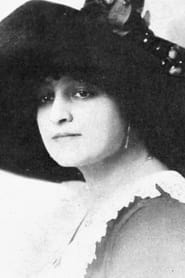
Vivian Prescott worked on one surviving credit: Lucky Jim (1909). Her career, though brief, coincided with the formative years of American narrative filmmaking when the industry was still establishing its conventions and stars were not yet the household names they would later become. Prescott appeared in at least two known films: 'Lucky Jim' (1909) and 'A Flash of Light' (1910), both directed by D.W. Griffith during his early period at Biograph. Her performances were typical of the era's acting style, which emphasized broad gestures and facial expressions to convey emotion without dialogue. Like many actors of this period, her career was likely short-lived as the film industry was still volatile and professional acting careers had not yet become established as long-term professions. Her work represents the contributions of countless early performers who helped establish the foundation of American cinema but whose names have largely been lost to history due to the limited documentation and preservation of early film records.
The Craft
On Screen
Prescott's acting style was typical of the early silent era, characterized by exaggerated gestures and facial expressions necessary to convey emotion and narrative to audiences without the benefit of synchronized sound. Like many Biograph actors of the period, she likely employed theatrical techniques adapted for the camera, emphasizing clear physical storytelling and emotional expressiveness that could be understood across distances in early theaters.
Milestones
- Appeared in 'Lucky Jim' (1909) directed by D.W. Griffith
- Appeared in 'A Flash of Light' (1910) directed by D.W. Griffith
- Worked during the foundational period of American cinema at Biograph Company
Best Known For
Must-See Films
Working Relationships
Worked Often With
Studios
Why They Matter
Impact on Culture
Vivian Prescott's cultural impact is representative of the countless anonymous performers who contributed to the birth of American cinema. While her individual legacy may be obscure, her work as part of D.W. Griffith's early Biograph films places her within the foundational development of narrative filmmaking techniques and cinematic language. Her performances, like those of her contemporaries, helped establish the conventions of screen acting that would evolve throughout the silent era and beyond, demonstrating how early actors adapted theatrical techniques for the new medium of film.
Lasting Legacy
Vivian Prescott's legacy lies in her contribution to the earliest years of American narrative cinema during a period when the art form was still defining itself. Though her name may not be widely recognized today, her work in Biograph films places her within the historical continuum of film development, alongside more famous contemporaries who would later become cinema legends. Her brief career exemplifies the transient nature of early film work and the countless performers who helped establish cinema as an art form but whose names have been lost to time due to incomplete historical records and the ephemeral nature of early film documentation.
Who They Inspired
As an early film performer working during cinema's formative years, Vivian Prescott's influence would have been primarily in contributing to the development of screen acting techniques at a time when the craft was still being invented. Her work under D.W. Griffith's direction at Biograph placed her at the center of early cinematic innovation, where actors were learning how to perform for the camera rather than for theater audiences. While she may not have directly influenced later performers, her contributions were part of the collective effort that established the foundations of screen acting that subsequent generations would build upon and refine.
Off Screen
Very little is documented about Vivian Prescott's personal life, which was common for actors during the earliest days of cinema when personal biographies were not routinely recorded or preserved. Like many early film performers, she likely came from a theatrical or vaudeville background, as this was the typical training ground for early film actors. The lack of personal documentation reflects the transient nature of early film careers and the limited cultural significance accorded to film actors during this period.
Did You Know?
- Vivian Prescott worked during the very earliest years of American narrative filmmaking
- Both of her known films were directed by D.W. Griffith during his innovative period at Biograph
- Her entire known filmography spans only two years (1909-1910)
- She worked for the Biograph Company,
- Like many early film actors, her personal details and biographical information have been largely lost to history
- Her career coincided with the transition from actualities and trick films to narrative cinema
- The films she appeared in were made during the period when film was still establishing itself as a legitimate art form and entertainment medium
- Early Biograph actors like Prescott often worked anonymously, with credits not always being given or preserved
Frequently Asked Questions
Who was Vivian Prescott?
American actress who worked in silent films during the earliest days of cinema, appearing in two known films for the Biograph Company in 1909-1910, both directed by the filmmaker D.W. Griffith.
What films is Vivian Prescott best known for?
Titles linked here include Lucky Jim (1909), A Flash of Light (1910).
When was Vivian Prescott born and when did she die?
Specific birth and death dates for Vivian Prescott are not documented, which was common for many early film performers whose personal details were not systematically recorded during cinema's years.
What awards did Vivian Prescott win?
Vivian Prescott did not receive any formal awards or recognition, as the academy awards and other industry honors would not be established until many years after her brief career in early cinema.
What was Vivian Prescott's acting style?
Prescott's acting style was typical of the early silent era, featuring exaggerated gestures and facial expressions necessary to convey emotion without dialogue, adapting theatrical techniques for the new medium of film.
Why is so little known about Vivian Prescott?
Limited documentation of Vivian Prescott reflects the broader historical reality of early cinema, when many performers' biographical details were not systematically preserved and the cultural significance of film actors was not yet established.
Did Vivian Prescott work with any famous directors?
Yes, both of her known films were directed by D.W. Griffith, who would become.