The Broken Locket
Plot
George Peabody, a young man who has drifted into idleness and drink, seems on the verge of squandering his future until Ruth King, the gentle woman who has loved him since childhood, intervenes with patient devotion. Moved by her faith in him, George resolves to abandon his reckless companions and leave for the West, where he hopes to remake himself into a worthy man. Before he goes, he and Ruth pledge their love in a tender farewell, sealing the promise with a heart-shaped locket that they break in two, each keeping one half as a symbol of their bond. In his new life, George begins the difficult work of self-reformation, while Ruth waits at home with the quiet hope that he will return deserving of her trust and affection. The film’s emotional arc is built around repentance, separation, and the possibility of redemption through love and moral resolve.
About the Production
The Broken Locket was produced during D. W. Griffith’s highly prolific Biograph period, when short films were often made quickly on modest resources and in a strongly theatrical yet increasingly cinematic style. As with many 1909 Biograph dramas, the film was likely shot in and around New York-area studio and location settings used by the company at the time, though precise surviving location records are not available. The production reflects Griffith’s interest in moral melodrama, domestic emotion, and clear visual storytelling, all of which were becoming hallmarks of his work in the late 1900s. Surviving documentation on specific budgetary figures, release logistics, and the full production process is limited, which is typical for early silent shorts of this era.
Historical Background
The Broken Locket was released in 1909, during the rapid transformation of cinema from novelty entertainment into a mass popular medium. In the United States, the nickelodeon boom had created strong demand for short films that could be shown in continuous urban exhibition programs, and Biograph was among the most important suppliers of such material. This was also the period in which D. W. Griffith was becoming a key figure in shaping film language, helping move screen storytelling toward more sophisticated cross-cutting, performance emphasis, and psychological drama. The film’s themes of temperance, moral reform, and domestic virtue reflect the Edwardian-era concern with self-improvement and the social ideals often embedded in early melodrama. Historically, it matters less as a famous standalone title than as part of the body of work through which Griffith, Pickford, and Biograph helped define American narrative cinema in its formative years.
Why This Film Matters
Although The Broken Locket is not among the most famous silent films, it is culturally significant as an early example of the kind of moralized domestic drama that helped establish the emotional grammar of American screen melodrama. It also holds interest because it features Mary Pickford in one of her formative screen periods, before her later rise as "America’s Sweetheart," making it valuable to the study of star construction in the silent era. The film exemplifies Griffith’s ability to turn simple, sentimental material into a recognizable cinematic formula: a fallen man, a virtuous woman, symbolic objects, and the promise of redemption through love. For historians of early cinema, it is part of the evidence showing how short films could already carry strong narrative arcs and emotionally charged symbolism well before feature-length storytelling became dominant.
Making Of
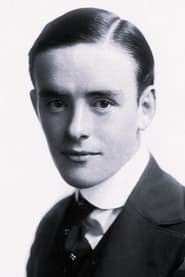
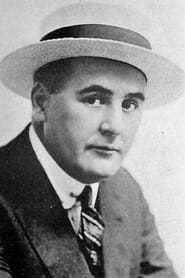
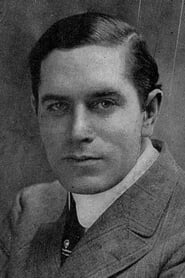
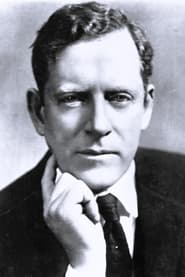
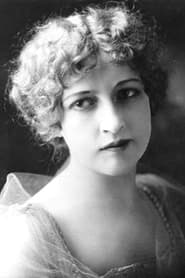
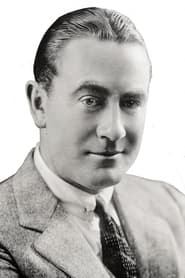
The Broken Locket was made at a moment when D. W. Griffith and the Biograph Company were producing multiple films per week, often adapting familiar melodramatic situations into concise, emotionally legible screen narratives. Griffith relied on a repertory of actors, including Mary Pickford and Frank Powell, whose expressive performance styles helped communicate character motivation without dialogue. The film’s sentimental premise and symbolic object prop would have been designed to read quickly for nickelodeon audiences, who expected clear moral contrasts and heightened emotional turns in a brief runtime. Surviving behind-the-scenes documentation is sparse, so exact details about shooting days, sets, and post-production practices are not well documented, but the film fits squarely within Griffith’s 1909 experimentation with more nuanced storytelling and intensified intimacy.
Visual Style
The cinematography likely reflects the Biograph house style of the late 1900s: static or gently staged camera positions, carefully arranged tableaux, and a strong emphasis on legible blocking and expressive gesture. Griffith’s direction in this period was increasingly attentive to cutting between spaces and to using framing for emotional clarity, even if the film still belongs to the transitional era before fully developed feature-style editing. The visual storytelling would have depended heavily on actors’ faces and body language, with the locket serving as a prop designed to carry emotional meaning across scenes. As with many early Griffith films, the camera likely prioritizes narrative intelligibility over stylistic flourish, though the direction aims for intimacy and pathos.
Innovations
The film is not known for a single groundbreaking technical innovation, but it belongs to the period in which Griffith was helping standardize narrative techniques that became foundational to classical cinema. Its key achievement lies in the clear dramatization of emotional cause and effect through visual symbols, particularly the broken locket, which serves as a concise storytelling device. The film also participates in Griffith’s broader 1909 refinement of performance-driven close emotional realism within short-form melodrama. In that sense, its importance is historical and stylistic rather than technological in the narrow sense.
Music
As a 1909 silent film, The Broken Locket had no recorded synchronized soundtrack or original surviving score. Like most silent-era exhibition prints, it would historically have been accompanied by live music chosen by the theater—often a pianist, organist, or small ensemble using improvised or compiled cues to match the mood of the scenes. Any modern presentations would typically use a restored silent-film accompaniment created by a contemporary musician or archivist, but no universally standardized original score is known to survive for this title.
Famous Quotes
No verifiable surviving intertitles or dialogue quotations are widely documented for this film.
As a silent film, its emotional meaning is conveyed primarily through gesture, intertitles, and visual symbolism rather than quotable spoken lines.
Memorable Scenes
- Ruth and George’s farewell, in which they pledge their love and break the heart-shaped locket into two halves to symbolize their union and future reunion.
- George’s decision to abandon his old companions and leave for the West in search of a better life.
- Ruth’s quiet, patient waiting at home, which underscores the film’s moral ideal of steadfast feminine devotion.
Did You Know?
- The film is a short Biograph drama from D. W. Griffith’s extraordinarily productive 1909 output.
- Mary Pickford appears early in her career, before she became one of the most famous stars in the world.
- The plot centers on a symbolic broken heart-shaped locket, a melodramatic device that visually represents emotional devotion and separation.
- Frank Powell, one of the credited cast members, was also active in early silent filmmaking as an actor and filmmaker.
- The film is an example of Griffith’s interest in redemption narratives, especially stories in which a woman’s moral influence helps reform a man.
- Because it is a 1909 film, complete production records such as exact budget and box-office totals are generally not extant.
- The film belongs to the era when Griffith was refining continuity editing and expressive close-up storytelling in short subjects.
- Like many one-reel films of the period, it likely played in a program with other short films rather than as a standalone feature presentation.
- The title refers to the locket used as a promise token, a common sentimental motif in silent-era drama.
- The film is frequently discussed in early-cinema filmographies more than in contemporary reviews, reflecting its status as a surviving title from a largely lost or fragmentary era of film history.
What Critics Said
Contemporary critical reception is difficult to reconstruct in detail because early 1909 trade coverage often treated short films briefly and many specific reviews have not survived in easily accessible form. In the context of Biograph releases, the film would likely have been regarded as a competent, affecting melodrama consistent with the company’s reputation for reliable short narratives. Modern critical attention is primarily archival and historical rather than popular-review oriented: scholars tend to value the film for its place in Griffith’s development, Mary Pickford’s early screen work, and the evolution of silent-era storytelling. As with many early Griffith shorts, its significance today is measured more by film history than by a widely discussed critical canon.
What Audiences Thought
Audience reception in 1909 was likely shaped by the film’s broad emotional appeal and its familiar redemption plot, which would have resonated with nickelodeon audiences accustomed to concise moral dramas. The sentimental device of the split locket provided an easily understood visual hook, and the story’s emphasis on reform and reunion aligned with popular tastes of the period. While specific box-office data is not available, Biograph films were widely distributed and generally reliable attractions for exhibitors. Today, audience interest is mostly limited to silent-film enthusiasts, Griffith researchers, and viewers interested in Mary Pickford’s earliest performances.
Film Connections
Influenced By
- Victorian and turn-of-the-century melodramatic fiction
- Temperance-era moral reform narratives
- Stage melodrama traditions
- Early Biograph one-reel domestic dramas
This Film Influenced
- Later Griffith domestic melodramas
- Silent-era reform-and-redemption dramas
- Mary Pickford's early screen persona as a virtuous, emotionally resilient young woman
You Might Also Like
More Drama Films
View allMore from D.W. Griffith
View allFilm Restoration
The film is a surviving early silent title in filmographic records, though complete preservation details are not widely documented in standard public sources. It is not generally known as a major restored canonical work, and surviving materials may be limited or held in archival collections rather than widely circulated prints.