1910 · Approximately 15 minutes

Also available on: Archive.org
Wilful Peggy

Wilful Peggy

1910 Approximately 15 minutes United States
Class difference and social aspirationRomantic competitionFemale independence and spiritednessMarriage as a path to security and statusCharm versus wealth

Plot

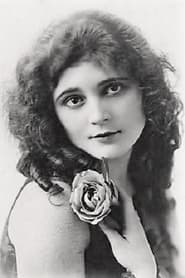
Peggy is a spirited young woman from a poor family whose charm and liveliness draw the attention of a wealthy lord. Impressed by her beauty and personality, he offers marriage and the promise of entry into his refined social world, presenting her with the possibility of security and status. Peggy finds herself pulled between class expectations, personal pride, and the romantic attention of another man: the lord’s nephew, who also becomes enamored with her. The film builds its comedy and drama around courtship, social aspiration, and the tension between genuine affection and the pressures of wealth and rank.

About the Production

Release Date 1910
Production Biograph Company
Filmed In United States

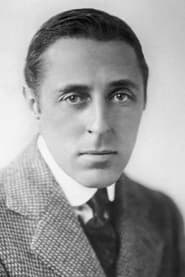
Wilful Peggy was produced during D. W. Griffith’s highly productive Biograph period, when one-reel melodramas and comedies were often shot quickly with a repertory company of regular performers. Like many films from 1910, it was made as a short silent picture designed for the nickelodeon market rather than as a prestige feature, so detailed production records such as exact budget and shooting locations have not survived in most surviving reference sources. The film is notable chiefly for pairing Griffith with Mary Pickford and Henry B. Walthall in an early example of class-based romantic melodrama with comic elements. Surviving documentation is limited, and many contemporary production specifics remain unverified.

Historical Background

Wilful Peggy was produced in 1910, at a moment when the American film industry was still dominated by short subjects shown in nickelodeons and vaudeville-style programs. This was a transitional period in cinema history: filmmakers were learning how to create emotionally legible stories through editing, staging, and performance without synchronized sound or extended runtime. D. W. Griffith’s Biograph films from this era were important in standardizing narrative grammar, while Mary Pickford was emerging as one of the key personalities of silent film. The film also reflects Edwardian-era social concerns, especially class distinction, marriage as social mobility, and the tension between individual desire and inherited status.

Why This Film Matters

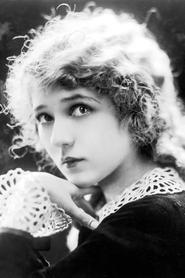
Although Wilful Peggy is not among the most famous Griffith or Pickford titles, it is culturally significant as part of the body of early American cinema that helped shape the star system and the language of screen melodrama. It documents Mary Pickford’s early screen persona as a lively, sympathetic woman whose independence and emotional intelligence could anchor a story even in a very brief format. Films like this also helped popularize the contrast between working-class vitality and upper-class privilege, a theme that would recur throughout silent-era storytelling and later romantic comedies and melodramas. Its value today lies in its place within the evolution of film performance, editing, and narrative economy during the formative years of mainstream cinema.

Making Of

Wilful Peggy was made during the early, intensely collaborative Biograph years, when Griffith worked with a stable ensemble of performers and refined visual storytelling through frequent production of one-reel films. Mary Pickford was already proving herself as an exceptionally expressive screen presence, and films like this helped establish the image of the plucky, emotionally intelligent young woman that would become central to her stardom. D. W. Griffith often staged these short dramas with brisk pacing, clear character relationships, and a mixture of sentiment and light comic business to keep audiences engaged within a very short running time. As with many films from the period, little detailed behind-the-scenes documentation survives, but the film fits squarely within Griffith’s routine Biograph production method of quickly mounted, actor-centered storytelling.

Visual Style

The film’s cinematography would have been characteristic of Biograph’s early 1910 style: static or minimally mobile camera setups, clear frontal staging, and emphasis on readable gesture and facial expression. Griffith’s early work often relied on carefully arranged compositions and simple cutting patterns to clarify relationships and social distinctions within the frame. Because it is a silent short from the period, visual storytelling would have depended on expressive performance, intertitles, and economical blocking rather than camera movement or elaborate lighting effects. Any surviving prints, when available, are typically studied for their period-typical, straightforward pictorial style rather than for visual experimentation.

Innovations

The film does not appear to be associated with a single major technical innovation, but it is part of the important early Griffith period in which cinematic grammar was being refined through tighter editing, more expressive staging, and improved continuity storytelling. Its technical significance lies in its place within the larger development of the one-reel narrative film, where emotional clarity had to be achieved quickly and economically. The production also reflects the emerging professionalism of the Biograph system, which helped standardize performance and visual storytelling across a large number of shorts. For historians, even modest titles like this are valuable evidence of how classical narrative cinema took shape.

Music

As a silent film, Wilful Peggy did not have an originally synchronized soundtrack. In exhibition, it would historically have been accompanied by live music, which could range from a single pianist to a small theater ensemble depending on the venue. Modern presentations, when available, may use archival or newly compiled silent-film accompaniments, but no original composed score is widely documented for the film. Music selection in contemporary screenings would generally aim to support the film’s romantic and comic tone.

Memorable Scenes

  • Peggy catches the eye of the wealthy lord, setting off the film’s central romantic and class-based conflict.
  • The lord’s proposal introduces the promise of social elevation and a new life in aristocratic circles.
  • The nephew’s attraction to Peggy complicates the romance and creates a light love-triangle dynamic typical of early screen melodrama.

Did You Know?

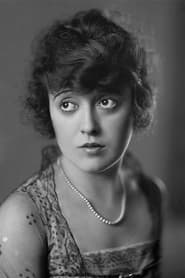
  • Wilful Peggy is a very early Mary Pickford vehicle from the period when she was building her reputation at Biograph before becoming one of the biggest stars in world cinema.
  • The film was directed by D. W. Griffith, who was then experimenting with storytelling techniques that would later shape classical narrative cinema.
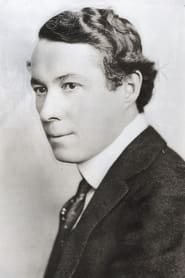
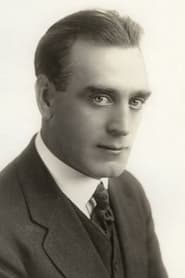
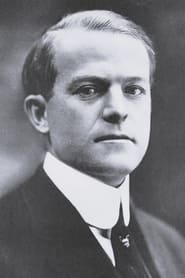
  • Henry B. Walthall appears in one of his early screen roles from the Biograph era, before he became widely known for later Griffith productions.
  • The title reflects the era’s fondness for character-driven melodramas centered on a lively, independent-minded heroine.
  • Because it is a 1910 silent short, original production paperwork is sparse, and some details about cast and credits come from later film reference compilations rather than full surviving documentation.
  • The film is an example of the short-form romantic comedy-drama hybrids Griffith made frequently during this period.
  • Its plot touches on the recurring early-cinema theme of class mobility through marriage, a popular subject in both stage melodrama and silent film.
  • The film is part of the broader Biograph output that helped define American silent filmmaking standards in the years before feature-length narratives dominated the industry.

What Critics Said

Contemporary criticism specific to Wilful Peggy is difficult to reconstruct because many 1910 short films were reviewed briefly, if at all, in trade papers and local newspaper listings, and surviving detailed reviews are scarce. In retrospect, film historians generally view it as a representative early Griffith/Biograph short rather than a major landmark, but one that is useful for studying the development of Pickford’s screen persona and Griffith’s efficient narrative technique. Modern appreciation tends to focus less on the film as a standalone masterwork and more on its historical role within the repertory of early silent cinema. When preserved and screened in archives or retrospectives, it is often valued for its performance style, period charm, and early cinematic craftsmanship.

What Audiences Thought

No reliable audience-response data survives for the film in the way modern box-office tracking would capture it, which is typical for short silent films of the 1910 era. At the time, audiences were accustomed to seeing one-reel dramas and comedies in rapid succession, and a film like Wilful Peggy would likely have been received as a modest entertainment supported by the appeal of familiar Biograph players. Mary Pickford’s presence would have been a major draw for contemporary viewers, especially as her popularity grew rapidly in the years immediately following these early shorts. Any original audience enthusiasm is best inferred from the continued circulation and star development of the performers rather than from quantified records.

Film Connections

Influenced By

  • Stage melodrama of the late 19th and early 20th centuries
  • Early nickelodeon-era romantic comedies and dramas
  • Victorian and Edwardian social-comedy traditions

This Film Influenced

  • Later Mary Pickford vehicles featuring spirited working-class heroines
  • Silent-era romantic melodramas centered on class conflict
  • Early Hollywood courtship comedies

Film Restoration

A surviving print is known to exist in archival circulation, and the film is not generally considered lost.

Themes & Topics