The Call to Arms
Plot
In this medieval melodrama, a feudal lord presents his bride with the family’s most treasured possession, the Great Ruby of Irskaat, only for a visiting cousin to secretly covet the jewel and begin plotting to seize it. When the lord is summoned to war, he recognizes the danger of leaving such a valuable heirloom behind and hides the ruby in a secluded spot on the estate before departing with his soldiers. Believing himself trusted, the cousin volunteers to remain at the castle to protect the bride, and she accepts his offer as an act of loyalty and kindness. Once the lord is gone, however, the cousin manipulates events to remove the household servants and replace them with his own men, isolating the woman and placing her entirely under his control. The film then builds its tension around the vulnerable bride, the hidden ruby, and the villain’s growing power until the lord’s return can resolve the threat.
Director
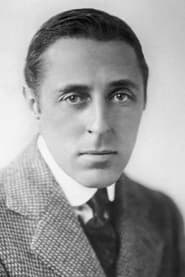
D.W. GriffithAbout the Production
The film is a one-reel silent drama made during D.W. Griffith’s Biograph period, when he was directing a rapid stream of short subjects designed for weekly release. Like many Biograph productions of 1910, it was staged with a strong emphasis on tableau-like compositions, clear visual storytelling, and compact narrative efficiency rather than elaborate sets or long running time. The surviving descriptive records identify the cast and plot, but detailed production paperwork such as exact budget, shooting dates, or specific location sites are not generally documented in modern reference sources. As with many early Griffith films, it appears to have relied on studio interiors and likely nearby outdoor settings rather than extensive location work.
Historical Background
The Call to Arms was released in 1910, during the formative years of narrative cinema in the United States and at a moment when the motion-picture industry was rapidly expanding in both popularity and sophistication. Griffith’s Biograph shorts were central to this development, helping normalize more expressive editing, stronger dramatic plotting, and a growing emphasis on character motivation over simple filmed stage scenes. The film also reflects early twentieth-century tastes for historical and pseudo-medieval melodrama, which allowed filmmakers to stage moral conflicts in heightened, easily legible settings. In a broader cultural sense, the movie belongs to the pre-World War I era when notions of feudal loyalty, romantic peril, and noble duty still carried strong appeal for audiences seeking clear, emotionally direct storytelling.
Why This Film Matters
Although not one of Griffith’s most famous surviving titles, The Call to Arms is culturally significant as part of the body of work through which he helped shape early American screen narrative. Films like this demonstrated how a compact one-reel format could sustain suspense, villainy, and emotional identification with only a few intertitles and carefully arranged scenes. It also illustrates the importance of the Biograph shorts in building the careers of recurring silent-era performers such as Henry B. Walthall and Marion Leonard. For film historians, the movie is valuable as evidence of the themes, production methods, and storytelling conventions that fed into the later development of feature-length historical dramas.
Making Of
The Call to Arms was made at a time when D.W. Griffith and the Biograph Company were producing films at a very high pace, which meant scripts were often concise, setups economical, and performances tailored to immediate clarity. Griffith’s working method in 1910 depended heavily on a stable troupe of actors and technicians, allowing him to mount short melodramas quickly while experimenting with framing, motion within the shot, and the use of visual suspense. The film’s medieval setting would have been created with modest studio resources, likely using painted or simple constructed interiors and a limited number of costumes and props to suggest status and period. Because early production records are incomplete, much of the film’s behind-the-scenes story comes from knowledge of Griffith’s Biograph practices rather than from detailed surviving documentation specific to this title.
Visual Style
The film likely employs the clean, stage-oriented visual style common to Griffith’s 1910 Biograph work, with carefully arranged blocking to keep relationships and threats legible in relatively brief scenes. As an early silent drama, it would have relied on medium and long shots that preserve the action in a single frame while allowing actors to communicate status and emotion through gesture and posture. Griffith’s period films often emphasize strong spatial clarity, the movement of characters in and out of rooms or courtyards, and the use of compositions that make it easy for the audience to track who controls the domestic space. Even without surviving shot-by-shot analysis here, the film is representative of the transitional visual language that was moving American cinema beyond the most static early formats.
Innovations
The film’s technical importance lies less in a single invention than in its place within Griffith’s ongoing refinement of screen narration. It uses the short-form silent melodrama structure to convey a complex threat involving a hidden object, deception, and the occupation of domestic space by villains, all through visual action rather than dialogue. Such films helped advance continuity storytelling by linking motive, action, and consequence in a concise sequence of scenes. As part of the Biograph program, it also reflects the industrial normalization of efficient production methods that allowed American cinema to scale up its narrative ambitions.
Music
No original synchronized soundtrack exists, as the film was produced in the silent era. Exhibition would originally have been accompanied by live music, typically a theater pianist, organist, or small ensemble improvising or selecting repertory pieces to match the mood of the scenes. Any modern presentations may use newly assembled accompaniment created for archival screenings or home-video releases. No standardized cue sheet or universally documented score for this specific title is widely known.
Memorable Scenes
- The lord presents the Great Ruby of Irskaat to his bride, establishing both the romantic bond and the source of future danger.
- The lord hides the treasured ruby in a secluded part of the grounds before answering the call to arms, creating a classic silent-era suspense object.
- The cousin’s feigned loyalty as he offers to stay and guard the bride provides the story’s central dramatic deception.
- The quiet removal of the household servants and their replacement by the cousin’s own men marks the moment when the villain gains control of the castle.
- The bride’s isolation after the servant substitution heightens the film’s melodramatic tension and places her in immediate peril.
Did You Know?
- This is an early D.W. Griffith Biograph short, produced during the period when he was refining the grammar of American narrative cinema through frequent one-reel releases.
- The film is known under the title The Call to Arms, but its plot centers on a feudal domestic crisis rather than battlefield action, using the military summons mainly as the trigger for the intrigue.
- The story includes the melodramatic device of a hidden jewel, the Great Ruby of Irskaat, which functions as the central object of desire.
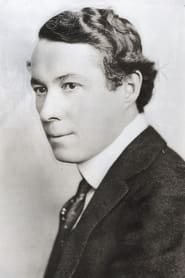
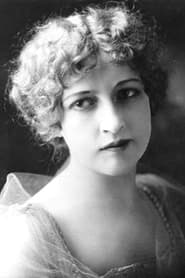
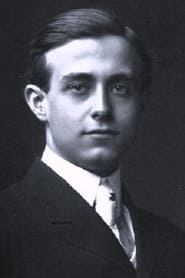
- Henry B. Walthall, Marion Leonard, and Joseph Graybill were all associated with Griffith’s repertory system of regular performers.
- Because it is an early silent short, no synchronized sound track exists; any music would have been provided live at exhibition and varied from theater to theater.
- The film survives in historical filmographies and plot summaries, but detailed modern critical discussion is limited compared with Griffith’s later features.
- Its structure reflects the era’s reliance on clear moral oppositions, with the villain’s duplicity contrasted against the bride’s innocence and the lord’s protective intent.
- The film is representative of the many lesser-known Biograph shorts that helped establish Griffith’s reputation before his major feature-length works.
- The production belongs to the transitional period when American cinema was moving from single-shot scenes toward more complex continuity editing and cross-cutting.
- As with many films from 1910, public reception records are sparse, so its historical importance is often understood through production context rather than contemporary reviews.
What Critics Said
Contemporary critical notices for many Biograph one-reelers, including this film, are not widely preserved in modern reference collections, so a detailed reception history is difficult to reconstruct. At the time, films of this type were typically judged less as autonomous artworks than as attractive items in a rapidly changing entertainment marketplace, with attention paid to narrative clarity, dramatic excitement, and production reliability. In retrospect, the film is usually discussed within the larger context of Griffith’s early output rather than as a stand-alone masterpiece. Modern criticism tends to value it primarily for historical interest: as a specimen of Griffith’s pre-feature craft and of early silent melodrama.
What Audiences Thought
Audience response records specific to this title are scarce, which is common for short films from the 1910 Biograph catalog. Based on the popularity of similar Griffith productions, it likely played well with viewers who enjoyed briskly told suspense stories, noble-versus-villain conflicts, and visually readable period settings. Early cinema audiences were accustomed to brief programs made up of multiple shorts, so a one-reel drama such as this would have been experienced as one item among several. Its appeal would have depended on immediate dramatic stakes rather than star-centered publicity in the later feature-film sense.
Film Connections
Influenced By
- Stage melodrama traditions
- Historical romance literature
- Feudal and medieval adventure stories
- Early Biograph chase-and-rescue and intrigue films
This Film Influenced
- Later medieval melodramas and costume dramas in early American cinema
- Griffith’s own expanding use of suspense, domestic peril, and cross-cutting in later films
You Might Also Like
More Drama Films
View allMore from D.W. Griffith
View allFilm Restoration
The film is not widely reported as lost in major reference summaries, but surviving availability appears limited and it is not commonly accessible in mainstream circulation. It is best regarded as an early silent title with incomplete modern preservation documentation, known primarily through archival filmographies and historical listings rather than widespread home-video release. If a print survives, it is likely held in an archive or specialized collection, but confirmed public access information is scarce.