Over Silent Paths
Plot
In the American West, a hardworking miner spends his days at a rocker box searching for gold while his young daughter keeps their remote camp and household in order. The girl dreams of a better life for them both and persuades her father to leave the harsh desert behind and return to civilization, where they can finally enjoy the reward of his labor. Their hopes are threatened when a desert wanderer arrives at the camp, notices the miner weighing his gold, and is overcome by greed and resentment after years of his own unsuccessful searching. He demands that the old man share his fortune, then resorts to force and steals the gold, abandoning the miner to the brutal wilderness. In the final movement of the story, the thief collapses in the desert and is unexpectedly rescued by the miner’s daughter, bringing the drama to a moral and emotional resolution centered on compassion, endurance, and the consequences of greed.
About the Production
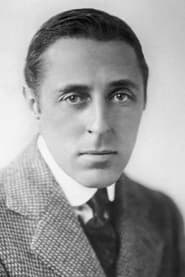
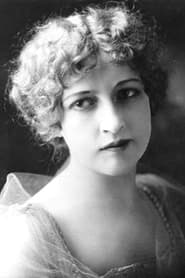
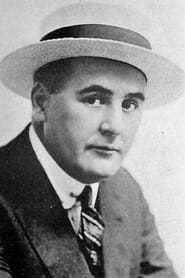
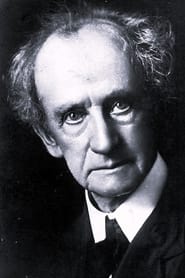
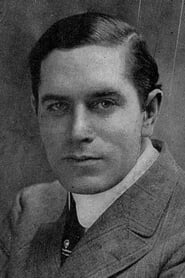
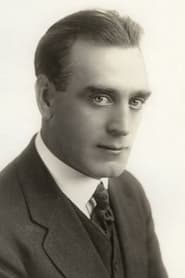
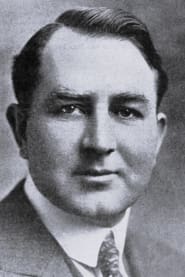
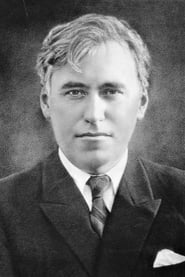
This was an early Biograph-era short directed by D.W. Griffith during the formative years of American narrative cinema, when production was fast, economical, and heavily dependent on concise visual storytelling. Like many Griffith shorts from 1910, it was created as a one-reel film, meaning the entire plot had to be conveyed with a small cast, limited intertitles, and efficient staging. Surviving documentation on exact shooting circumstances is sparse, so precise budget, box-office performance, and detailed location records are not reliably documented. The film’s casting of familiar Biograph repertory players such as Marion Leonard, Dell Henderson, and W. Chrystie Miller reflects the studio’s house-cast system, in which the same performers were used repeatedly across many shorts.
Historical Background
The film was made in 1910, a pivotal moment in world cinema when the one-reel short was still the dominant commercial form in the United States. This was the Biograph era of D.W. Griffith, a period in which he and his collaborators were systematically testing and advancing techniques of continuity editing, expressive close observation, and emotionally focused melodrama. The American West was already a powerful mythic space in popular culture, and early Westerns frequently used frontier settings to dramatize labor, survival, greed, and moral testing. In social terms, the film emerged during an era of rapid industrialization, urban growth, and changing ideas about class and wealth, making its story of a miner, his daughter, and a greedy wanderer resonate as a simple frontier morality tale about the value of earned prosperity and human compassion. It matters historically as part of Griffith’s pre-feature body of work, which helped shape the conventions later associated with American narrative cinema.
Why This Film Matters
Although Over Silent Paths is not a famous title, it is culturally significant as a representative example of early American Western melodrama and of Griffith’s formative short-film output. Films like this helped establish the Western as a vehicle not only for action but for moral drama, where landscape and character conflict could embody larger anxieties about greed, hardship, and social order. Its narrative also reflects early cinema’s frequent use of women and daughters as moral stabilizers, a pattern that would recur across later Western and melodramatic traditions. For historians, the film is valuable as evidence of how quickly American filmmakers learned to combine frontier iconography with emotionally readable storytelling in the years before feature-length prestige productions became dominant. Even in obscurity, it contributes to the broader legacy of early cinema’s development of genre storytelling and Griffith’s reputation as a central figure in shaping the language of film.
Making Of
Over Silent Paths was made during the highly productive Biograph years in which Griffith refined the grammar of American screen narrative through short, economically staged films. The production almost certainly relied on the studio’s regular repertory approach, with performers shifting quickly between roles in multiple pictures. Because the film is a 1910 short, there is little surviving documentation about set construction, special effects, or extensive rehearsals, but the period’s Biograph productions were known for crisp blocking, expressive pantomime, and practical outdoor shooting when Western settings were needed. The cast list indicates a familiar ensemble, suggesting a streamlined production built from performers Griffith trusted to communicate character swiftly and clearly. Any desert exteriors would have been handled with the practical logistical methods of the era, using natural light and minimal equipment to capture stark landscape imagery that supported the story’s moral tensions.
Visual Style
The film likely uses the restrained but expressive visual style typical of Griffith’s early Biograph shorts, with static or lightly mobile camera placement, carefully arranged tableau staging, and strong visual contrasts between camp life, desert hardship, and moments of conflict. Early Western exteriors often depended on natural landscapes to provide emotional and symbolic weight, and this film’s desert setting would have given it a stark, elemental visual character. Griffith’s direction in this period frequently emphasized readable gesture, clear spatial relationships, and rhythmic scene progression, allowing audiences to follow complex emotions without elaborate exposition. If desert footage was used, the hard light and open space would have reinforced the themes of isolation, greed, and survival.
Innovations
The film’s chief technical achievement lies in its efficient early narrative construction rather than in flashy special effects or elaborate camera movement. As a one-reel 1910 production, it demonstrates the industry’s growing ability to tell a complete dramatic story in a highly compressed form, using carefully staged action, cross-emotional clarity, and economical scene transitions. If desert exteriors were used, the film would also show early Hollywood’s increasingly practical use of natural landscape as a storytelling tool. Its significance is therefore historical and craft-based: it represents the refinement of silent visual storytelling during the period when American filmmakers were learning how to sustain audience comprehension over a longer dramatic arc.
Music
No original composed soundtrack survives or is specifically documented for this film. Like nearly all silent films of 1910, it would originally have been accompanied by live music in theaters, typically a pianist, organist, or small ensemble using improvised or compiled cues. Exhibition accompaniment would have varied by venue and was often tailored to the mood of the scene rather than standardized by the studio. Any modern presentations would likely use a later archival score or live accompaniment created for silent-film screening.
Memorable Scenes
- The miner patiently working at his rocker box in the harsh frontier camp, establishing both his labor and the harshness of the setting.
- The daughter persuading her father to leave the desert and return to civilization, which functions as the story’s emotional turning point.
- The desert wanderer’s discovery of the gold and his immediate descent into greed and violence.
- The theft of the miner’s gold, a compact but pivotal scene that crystallizes the film’s moral conflict.
- The final rescue of the collapsed wanderer by the miner’s daughter, turning the film from a tale of theft into one of mercy and unintended redemption.
Did You Know?
- The film is a short Western-drama from D.W. Griffith’s prolific 1910 Biograph period, when he was making films at an extraordinary pace.
- Marion Leonard was one of Biograph’s prominent early leading ladies and appeared in many of Griffith’s key films before the feature-length era took hold.
- W. Chrystie Miller was a familiar elderly character actor in Griffith’s stock company, often cast in fatherly or humble roles.
- The plot combines Western frontier imagery with a moral parable about greed, generosity, and redemption, which was a common storytelling pattern in early cinema.
- As a one-reel film, it represents the compressed narrative style that dominated American filmmaking before features became standard.
- The film is not widely known today, and information about it survives more in filmographic records and plot summaries than in detailed contemporary publicity materials.
- It exemplifies Griffith’s early ability to tell emotionally legible stories through action, gesture, and staging rather than extended dialogue.
- The title suggests a symbolic journey or passage, fitting the film’s emphasis on moral and geographical wilderness.
- The story’s rescue ending places the miner’s daughter in the role of moral redeemer, a frequent device in early melodrama.
- Like many films of the era, it was likely shown with live musical accompaniment and narrated locally by exhibitors or lecturers depending on the venue.
What Critics Said
Contemporary critical reception is difficult to reconstruct in detail because many 1910 short films were reviewed briefly, if at all, and surviving criticism specific to this title is limited. In its own era, a Biograph Griffith short would generally have been regarded as a competent, well-made program item rather than as a prestige feature, with reviewers and exhibitors often focusing on plot clarity, acting, and audience appeal. Modern critical interest is primarily historical rather than evaluative: the film is discussed as part of Griffith’s early development and as an example of the terse, visually driven storytelling of the period. Because the film is obscure and not widely circulated, present-day criticism tends to emphasize its archival importance more than its artistic standing as an individual work.
What Audiences Thought
Audience reaction records are not well preserved, but a film of this kind would likely have appealed to nickelodeon-era viewers who enjoyed compact Western dramas, frontier settings, and clear moral conflict. The combination of danger, greed, and a redemptive ending would have been immediately legible to early twentieth-century audiences accustomed to short, episodic entertainment. The presence of familiar Biograph performers may also have helped draw regular patrons who followed the studio’s releases. In modern times, audiences encounter the film mainly through databases, scholarly references, or archival catalogs rather than through widespread exhibition, so its audience reception today is largely one of historical curiosity.
Film Connections
Influenced By
- Early American Western melodramas
- Frontier adventure fiction
- Biblical and moral parable storytelling
- Stage melodrama traditions common in silent cinema
This Film Influenced
- Early frontier melodramas of the 1910s
- Griffith-era Western and rescue narratives
- The moralized Western trope of the virtuous daughter and redeemed wilderness survivor
You Might Also Like
More Western Films
View allMore from D.W. Griffith
View allFilm Restoration
The film appears to survive in archival form or in at least documented print references, but it is obscure and not widely available in mainstream circulation. Detailed preservation history is not well documented in the public record, and it should be treated as a rare early silent film with limited accessibility. Where extant, access is generally through archives, specialized collections, or scholarly silent-film resources rather than commercial home media.