
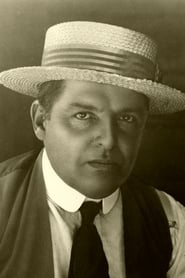
Billy Bitzer
Actor & Director
Born: April 21, 1872 in Boston, Massachusetts, USA Died: April 29, 1944 Active: 1896-1928 Birth Name: Gottfried Wilhelm Bitzer
Films
6 films


About Billy Bitzer
Gottfried Wilhelm 'Billy' Bitzer was and influential cinematographers in early cinema history, whose technical innovations and artistic vision helped shape the language of motion pictures. Beginning his career as a photographer in the 1890s, Bitzer transitioned to motion pictures with the American Mutoscope Company before joining the Biograph Studio in 1900, where he would spend the formative years of his career. His collaboration with director D.W. Griffith, which began in 1908, resulted in some of the most technically advanced and artistically significant films of the silent era, including 'The Birth of a Nation' (1915) and 'Intolerance' (1916). Bitzer was instrumental in developing and perfecting numerous cinematic techniques that are now considered fundamental to filmmaking, including close-ups, cross-cutting, iris shots, and sophisticated lighting methods. His work on over 600 films between 1900 and 1928 demonstrated remarkable versatility and innovation, from early one-reel shorts to epic feature films. After his partnership with Griffith ended in the 1920s, Bitzer continued working in the film industry before retiring to write his memoirs and teach film techniques. His contributions to cinematography were formally recognized with a special Academy Award in 1940, and he remains respected figures in the technical development of cinema.
The Craft
On Screen
While Bitzer did occasionally appear in films, his primary contribution was behind the camera rather than as an actor. His few acting appearances were typically in early experimental films where crew members would serve as extras or minor characters due to limited resources.
Behind the Camera
Bitzer directed only a handful of early films before focusing exclusively on cinematography. His early directorial work showed the same technical innovation that would characterize his later cinematography, with an emphasis on visual storytelling and camera movement that was ahead of its time.
Milestones
- Joined Biograph Studio in 1900 as chief cinematographer
- Began collaboration with D.W. Griffith in 1908
- Shot 'The Birth of a Nation' (1915), revolutionizing cinematic techniques
- Cinematographer for 'Intolerance' (1916), an epic of unprecedented scale
- Pioneered close-up shots and cross-cutting techniques
- Developed sophisticated lighting and special effects methods
- Received special Academy Award in 1940 for lifetime achievement
- Published autobiography 'Billy Bitzer: His Story' in 1973 (posthumous)
Best Known For
Iconic Roles
Must-See Films
Accolades
Won
- Academy Award - Special Award for lifetime achievement (1940)
- American Society of Cinematographers Hall of Fame (inducted posthumously)
Nominated
- Academy Award nomination for Best Cinematography for 'The Struggle' (1931)
Special Recognition
- Star on Hollywood Walk of Fame (1960)
- American Society of Cinematographers Hall of Fame (1973)
- National Film Registry inclusion for 'The Birth of a Nation' (1992)
- International Cinematographers Guild Lifetime Achievement Award (posthumous)
Working Relationships
Worked Often With
Studios
Why They Matter
Impact on Culture
Billy Bitzer's impact on cinema cannot be overstated, as he was instrumental in developing the visual language that would define motion pictures for generations. His technical innovations, including the development of the close-up as a dramatic tool, sophisticated lighting techniques, and camera movements, fundamentally changed how stories could be told on screen. Bitzer's work with D.W. Griffith on films like 'The Birth of a Nation' and 'Intolerance' demonstrated the artistic potential of cinema and influenced countless filmmakers worldwide. His mastery of lighting created mood and atmosphere in ways that had never been achieved before, while his willingness to experiment with camera angles and movements helped establish cinematography as an art form rather than merely a technical craft. The techniques Bitzer developed and perfected remain foundational to modern filmmaking, making him.
Lasting Legacy
Billy Bitzer's legacy as a cinematographer endures through the countless filmmakers who have built upon his innovations and techniques. His collaboration with D.W. Griffith produced some of the most technically advanced and influential films of the silent era, establishing many of the cinematic conventions still used today. Bitzer's willingness to experiment with camera placement, lighting, and movement helped elevate cinematography from a mere recording process to a sophisticated art form capable of conveying emotion and narrative. The American Society of Cinematographers recognizes him as one of the founding fathers of their craft, and his special Academy Award in 1940 acknowledged his lasting contributions to the art of filmmaking. Modern cinematographers continue to study Bitzer's work for its technical brilliance and artistic innovation, ensuring that his influence on the visual language of cinema will continue for generations to come.
Who They Inspired
Billy Bitzer influenced generations of cinematographers through his technical innovations and artistic approach to visual storytelling. His development of lighting techniques, camera movements, and visual effects established standards that would be refined and expanded upon by future cinematographers like Gregg Toland, James Wong Howe, and Roger Deakins. Bitzer's work demonstrated the power of cinematography to enhance narrative and evoke emotion, inspiring countless filmmakers to treat the camera as an active participant in storytelling rather than merely a recording device. His collaboration with D.W. Griffith showed how cinematography could elevate a director's vision, establishing the director-cinematographer partnership as a crucial creative alliance in filmmaking. The techniques Bitzer pioneered, from the dramatic use of close-ups to sophisticated lighting setups, became standard tools in the cinematographer's repertoire and continue to influence visual storytelling in both cinema and television today.
Off Screen
Billy Bitzer married Elizabeth 'Lizzie' Smith in 1894, and they remained together until her death in 1932. The couple had three children: two daughters and a son. Bitzer was known as a devoted family man who maintained a relatively private personal life despite his prominent role in the film industry. After retiring from active filmmaking, he spent his later years writing his memoirs and occasionally consulting on film projects. He lived in Hollywood during his final years and was respected by younger generations of cinematographers who sought his advice and wisdom.
Education
Self-taught photographer and cinematographer; attended public schools in Boston
Family
- Elizabeth 'Lizzie' Smith (1894-1932)
Did You Know?
- Bitzer was nicknamed 'Billy' by his colleagues, a name that stuck throughout his career
- He shot over 600 films during his career, making him
- Bitzer invented the 'iris shot' technique, which became a signature of early cinema
- He developed the first effective method for filming at night using artificial lighting
- Bitzer was one of the first cinematographers to use multiple cameras for coverage of scenes
- He created special effects techniques for 'Intolerance' that were decades ahead of their time
- Bitzer's camera work on 'The Birth of a Nation' included some of the earliest examples of tracking shots
- He was a founding member of the American Society of Cinematographers in 1919
- Bitzer taught cinematography techniques to younger filmmakers in his retirement years
- His autobiography was published posthumously and remains an important historical document of early cinema
In Their Own Words
The camera is the eye of the audience, and it is our duty to show them what they need to see to understand the story.
Light is not just illumination; it is emotion, mood, and character all in one.
Every new film is a new challenge to push the boundaries of what the camera can do.
Working with Griffith taught me that the camera could dance, it could breathe, it could feel.
The close-up is not just a shot; it's a window into the soul of the character.
Frequently Asked Questions
Who was Billy Bitzer?
American cinematographer who was instrumental in developing the visual language of early cinema. He is best known for his long collaboration with director D.W. Griffith, during which he helped create many fundamental film techniques including close-ups, cross-cutting, and sophisticated lighting methods.
What films is Billy Bitzer best known for?
Titles linked here include The Birth of a Nation (1915), Intolerance (1916).
When was Billy Bitzer born and when did he die?
Born April 21, 1872; died April 29, 1944.
What awards did Billy Bitzer win?
Bitzer received a special Academy Award in 1940 for his lifetime achievements and contributions to the art of motion picture photography. He was also posthumously inducted into the American Society of Cinematographers Hall of Fame and has a star on the Hollywood Walk of Fame.
What was Billy Bitzer's cinematography style?
Bitzer's style was characterized by technical innovation and artistic experimentation. He pioneered dramatic lighting techniques, developed the close-up as a narrative tool, created sophisticated camera movements, and was known for his ability to use light and shadow to create mood and emotion in ways that were revolutionary for his time.
How did Billy Bitzer influence modern filmmaking?
Bitzer's innovations form the foundation of modern cinematography. His development of lighting techniques, camera movements, and visual effects established standards still used today. His work demonstrated how cinematography could enhance storytelling and emotion, elevating it from a technical craft to an art form.
What was Billy Bitzer's relationship with D.W. Griffith?
Bitzer and Griffith had. Bitzer was Griffith's primary cinematographer and together they created hundreds of films that pushed the boundaries of what cinema could achieve artistically and technically.