Children in the Surf at Coney Island
"Bitzer films children splashing at Coney Island."
Keys: Space play/pause · ←/→ 10s · F fullscreen · M mute · </> speed
About this film
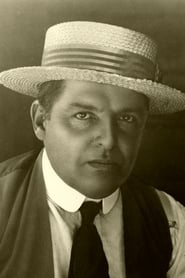
"Children in the Surf, Coney Island" is a very short documentary with Billy Bitzer behind the camera.
Cast & crew
More films like this
More Documentary films
View all →
More from Billy Bitzer
View all →
More about this film
About the production
Release dateJuly 1904
Box officeNot documented - early films were sold rather than rented, with individual records rarely maintained
ProductionAmerican Mutoscope and Biograph Company
Filmed inConey Island, Brooklyn, New York
Filmed using a Biograph camera which used 68mm film stock, significantly larger than the 35mm that would become industry standard. The camera was hand-cranked, requiring the operator to maintain consistent speed manually. Billy Bitzer had to transport the heavy equipment to the beach and set up the camera in a position that would capture both the surf and the children's activities without getting damaged by water or sand.
Themes
Childhood innocenceLeisure and recreationNature's powerAmerican popular cultureUrban escape
Themes & topics
Historical background
Children in the Surf at Coney Island (1904) reached screens through American Mutoscope and Biograph Company. Exhibitors of the time built nickelodeon-era programs that mixed shorts, features, and live acts, so a clear premise helped Children in the Surf at Coney Island travel between cities and exchange markets.
Why this film matters
Archivists and revival programmers still cite Children in the Surf at Coney Island (1904) when tracing studio habits, casting pools, and the visual rhetoric audiences once took for granted. Even modest surviving prints help map how Children in the Surf at Coney Island fit beside competing releases of its day.
Making of
Billy Bitzer, working for the Biograph Company, would have had to transport the cumbersome camera equipment to Coney Island's beach. The Biograph camera of this era was large, heavy, and required careful operation. Bitzer would have chosen his position carefully to capture both the dramatic action of the surf and the human element of the children playing. The filming was likely done quickly, as early film stocks were slow and required bright daylight. The presence of the camera itself would have been a novelty to beachgoers, potentially attracting curious onlookers. The film captures an authentic moment rather than a staged scene, typical of the 'actuality' film genre that preceded narrative cinema.
What critics said
Trade coverage around 1904 discussed Children in the Surf at Coney Island for pacing, clarity, and program fit rather than blockbuster grosses. Later writers value it as evidence of period style and as a reference point beside other films from the same era.
Did you know?
- Billy Bitzer would later become D.W. Griffith's primary cinematographer and help develop many fundamental film techniques
- The Biograph Company used unique 68mm film format for their early films, resulting in exceptionally high image quality for the era
- Coney Island was America's most popular seaside resort in 1904, attracting millions of visitors annually
- The film was likely shot during summer months when Coney Island was at its peak popularity
- Early actuality films like this were often shown as part of variety programs at vaudeville theaters
- The children in the film were likely random beachgoers, not actors, as was typical for actuality films
- the production represents one of the earliest examples of capturing candid childhood activities on film
- The Biograph Company was one of the earliest film production companies in America, founded in 1895
- 1904 was the same year as the St. Louis World's Fair, which showcased many new film technologies
- The film's preservation is remarkable given the chemical instability of early film stocks
Visual style
The film employs a static wide shot, typical of early actuality films, capturing the entire scene from a single, carefully chosen vantage point. The 68mm film stock used by Biograph provided exceptional clarity and detail for the period, allowing viewers to see the individual actions of the children and the movement of the waves. The camera work demonstrates Bitzer's early understanding of composition, balancing the human element with the natural drama of the ocean. The high contrast of the black and white film creates striking silhouettes against the bright surf and sky.
Innovations
The use of Biograph's 68mm film format represented a significant technical achievement in early cinema, providing image quality far superior to the 35mm film that would later become standard. The camera's ability to capture movement in bright outdoor conditions demonstrated the advancing sensitivity of film stocks. The preservation of such an early film is itself a technical achievement, given the chemical instability of early film emulsions. The film stands as an example of early location shooting, which required portable equipment and careful planning.
Music
Originally, this silent film would have been accompanied by live music at exhibition venues, typically a pianist or small ensemble playing popular tunes of the era or appropriate mood music. No specific score was composed for the film, as was common for actualities of this period. Modern screenings might feature period-appropriate music or newly composed scores that complement the beach setting and children's activities.
Memorable scenes
- The opening shot shows waves crashing onto the shore as children cautiously approach the water's edge, some hesitating while others run boldly into the surf, capturing the universal experience of children's first encounters with the ocean
What audiences thought
Early 1900s audiences were fascinated by films showing familiar scenes and places, making a film of Coney Island particularly appealing to New York viewers. The novelty of seeing moving images of children playing in the surf would have been a significant draw. These short films were typically part of longer programs that included multiple actualities, comedies, and perhaps a magic lantern show. Audiences of the time were still marveling at the basic technology of motion pictures, so even simple scenes like this were considered entertaining and remarkable.
Film connections
Influenced by
- Earlier actuality films by the Lumière Brothers
- Edison's 'Black Maria' studio films
- American Mutoscope Company's previous actualities
This film influenced
- Subsequent beach and ocean-themed actualities
- Early documentary films focusing on leisure activities
- Later Coney Island documentaries
Film restoration
Preserved in the Library of Congress collection as part of the Paper Print Collection. Early Biograph films were preserved on paper prints submitted for copyright purposes, which has allowed many of these films to survive when the original nitrate copies have deteriorated. The film has been digitized and is available through various archival channels.
Where to watch
- Library of Congress website
- YouTube (through archival uploads)
- Various educational film archives
- Museum of Modern Art film collection
- UCLA Film & Television Archive