1908 · Approximately 10 minutes

Also available on: Archive.org
Cupid’s Pranks

Cupid’s Pranks

1908 Approximately 10 minutes United States
Love and matchmakingFate versus personal choiceComic intervention by supernatural forcesRomantic pursuitMischief and consequence

Plot

Cupid, after being reprimanded for neglecting his duties and dozing on the job, is sent out to do what he does best: locate promising pairs of lovers and bring them together. As he flies over a lively city, he spots a ballroom dance and quickly singles out a young woman and man who seem destined for romance. Using his mischievous powers, he engineers a meeting between them and begins nudging fate in their direction. Even after Cupid succeeds in getting the couple introduced, the film follows the comic and fantastical obstacles that continue to complicate their courtship, turning the story into a light, playful chase toward romance.

About the Production

Release Date 1908
Production Edison Manufacturing Company
Filmed In United States studio production, likely at the Edison studio facilities in New York/New Jersey

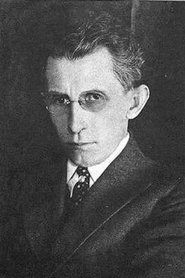
Cupid’s Pranks is a short Edison fantasy-comedy from the earliest era of American narrative cinema, and like many one-reel productions of 1908, it was designed to be visually legible, theatrically playful, and easy to exhibit in nickelodeons and vaudeville programs. J. Searle Dawley, one of Edison’s most important directors, was known for adapting stage-like stories into film form while also experimenting with cinematic fantasy, trick effects, and compact storytelling. The film’s premise depends on a mythological figure interacting with modern urban society, a popular early-cinema device that allowed filmmakers to combine spectacle, romance, and comic business without elaborate sets or long dialogue-driven scenes. Specific production records such as budget, exact shooting locations, and contemporary release strategy are not known to survive in detailed form, which is typical for many films of this period.

Historical Background

In 1908, American cinema was in a period of rapid transformation. Nickelodeons were spreading across the United States, film companies were increasing output, and audiences were becoming accustomed to short narrative films that combined theatrical storytelling with the new possibilities of moving images. Cupid’s Pranks emerged during a time when fantasy and trick films were still popular, and mythological or supernatural figures were often used to create light, visually engaging entertainment that could be understood instantly by a diverse audience. The film also belongs to the era just before feature-length cinema became dominant, making it an example of the compact, one-reel storytelling style that defined the medium’s early commercial success.

Why This Film Matters

Although not a landmark title in mainstream film history, Cupid’s Pranks is culturally significant as an example of how early cinema adapted universal romantic and mythic material into a modern screen form. It reflects how filmmakers used Cupid as a recognizable symbol of love, mischievously bridging classical iconography and contemporary urban life. Films like this helped establish the idea that cinema could portray fantasy without the need for stage machinery alone, using visual trickery and playful narrative irony to charm audiences. As a surviving historical record of Edison-era filmmaking, it is valuable to scholars studying early genre development, starless short subjects, and the evolution of romantic-comic storytelling on film.

Making Of

Cupid’s Pranks was created in the early formative years of American narrative film, when Edison’s studio system was producing short subjects at a brisk pace and directors like J. Searle Dawley were learning how to compress story, performance, and spectacle into only a few minutes. The film likely relied on theatrical blocking, expressive pantomime, and simple visual effects rather than elaborate editing, since silent-era storytelling of 1908 depended on readable gestures and clear staging. Dawley was especially skilled at turning familiar legends, fantasies, and comic situations into concise screen entertainment, and this title fits that profile closely. Because so little production paperwork survives from the period, the exact development history, set design process, and technical personnel beyond the director and cast are not well documented, but the film clearly reflects Edison’s interest in imaginative shorts that could appeal to broad audiences.

Visual Style

The cinematography would have been typical of Edison’s 1908 house style: static or minimally moving camera placement, carefully arranged tableau composition, and performance-driven visual storytelling. Early fantasy shorts often emphasized clear staging over camera movement, with actors entering and exiting the frame in ways that kept the narrative legible to audiences watching without synchronized sound. If trick effects were used to portray Cupid’s supernatural interventions, they were likely achieved through simple in-camera methods, substitution cuts, or theatrical staging rather than advanced post-production. The visual style would have prioritized costume, gesture, and spatial clarity, allowing the audience to follow the comic-romantic action easily.

Innovations

The film’s main technical interest lies in its use of early silent fantasy conventions to visualize a supernatural character acting within a modern setting. Even without surviving production documentation, the premise suggests the kind of simple but effective cinematic illusion-making that was common in 1908: symbolic characterization, staged intervention, and possibly basic substitution or cut-based effects. Its achievement is less about revolutionary technology than about demonstrating how early filmmakers could make mythology feel immediate and comic on screen. As an Edison production, it also exemplifies the industrial standardization of short-form cinema during the period.

Music

No original synchronized soundtrack exists, as the film was produced in the silent era. Like most silent films, it would originally have been shown with live musical accompaniment chosen by the exhibitor, such as piano, organ, or small ensemble performance. The exact cue sheet or recommended accompaniment, if one existed, is not currently documented in widely available sources. Modern screenings of surviving prints, if any, would generally use archive-selected or newly composed accompaniment.

Memorable Scenes

  • Cupid being reprimanded for neglecting his duties and sent off to resume his matchmaking work.
  • Cupid flying over the city and spotting a ballroom dance from above, where he identifies a promising couple.
  • Cupid engineering the couple’s meeting and setting the romantic action in motion through playful supernatural intervention.
  • The continuing comic complications that obstruct the lovers even after Cupid has successfully brought them together.

Did You Know?

  • The film was directed by J. Searle Dawley, a major Edison filmmaker who also directed several other early fantasy and literary adaptations.
  • It belongs to the period when Edison was producing short, one-reel films that mixed comedy, romance, and trick-film spectacle.
  • The character Cupid reflects a common early-cinema fascination with personified allegorical figures and mythological imagery.
  • The film’s surviving identification in databases such as Wikidata and TMDb helps distinguish it from later Cupid-themed shorts and unrelated titles.
  • Like many 1908 films, it was made before standardized feature-length storytelling became the norm in American cinema.
  • Its plot premise suggests the use of playful special effects or staged visual gags to portray Cupid’s interventions, even though detailed production records are limited.
  • The credited cast list is short, indicating a compact production with only a few principal performers.
  • The film is representative of the transitional era when films were still close to stage entertainments but were beginning to use distinctly cinematic fantasy devices.
  • Many Edison films from this period were distributed widely but not preserved in complete surviving documentation, making titles like this important for film historiography even when prints are scarce.
  • Its blend of romance and comedy places it among the early precursors to later romantic-comedy conventions in cinema.

What Critics Said

Contemporary critical reception is not well preserved in accessible detail, which is common for many short films from 1908 that were reviewed only briefly in trade publications or exhibition notices. At the time, such films were typically judged on clarity of action, novelty, comic effect, and their usefulness as program fillers rather than by modern auteur standards. In hindsight, historians view Cupid’s Pranks as a representative Edison fantasy-comedy: modest in scale but useful for understanding the visual and narrative conventions of the period. Its critical importance today lies less in surviving reviews and more in what it reveals about early cinematic tastes, studio production habits, and the popularity of mythological conceits in silent film.

What Audiences Thought

Specific audience-response records are not known to survive in detail, but a film like Cupid’s Pranks would likely have been received as agreeable light entertainment. Early audiences often enjoyed comic fantasies, especially when they involved recognizable figures such as Cupid and combined romance with visual gags or whimsical intervention. The film’s short running time and simple premise would have made it suitable for general exhibition, where it likely played as part of a varied program rather than as a standalone attraction. Its appeal would have rested on immediacy, charm, and novelty rather than emotional complexity.

Film Connections

Influenced By

  • Classical mythology and the Roman figure of Cupid
  • Stage pantomime and music-hall comedy
  • Early trick-film traditions
  • Urban romantic farce common in pre-feature silent cinema

This Film Influenced

  • Later silent romantic comedies featuring supernatural intervention
  • Cupid-themed comedy shorts and fantasy films in the silent era
  • Broadly, early screen depictions of matchmaking angels, cupids, and fate-driven romance

Film Restoration

No widely accessible preservation status is firmly documented in the available metadata for this title; it is an early 1908 Edison short, and many films of this type survive only partially, in fragmentary form, or are considered lost. Researchers and databases identify the film, but a readily verifiable complete archival preservation or restoration record is not widely available in standard reference sources. If a surviving print exists, it is not broadly documented in the way more famous early Edison titles are.

Themes & Topics