1911 · Approximately 15 minutes; one reel

Also available on: Archive.org
The Making of a Man

The Making of a Man

1911 Approximately 15 minutes; one reel United States
Youthful infatuationParental authorityMoral correctionRomantic impulse versus social dutyFemale innocence and vulnerability

Plot

A young woman, played by Blanche Sweet, becomes fascinated with the handsome leading man of a traveling theatrical troupe and impulsively slips away from home to follow him to the next town. Her romantic daydream quickly collides with reality when her father discovers her disappearance, tracks her down, and forces her to return to the safety of the family home. The encounter becomes a moral crisis rather than a conventional romance, with the film framing the young woman’s infatuation as a test of judgment, discipline, and filial duty. In keeping with many early D.W. Griffith dramas, the story uses a compact domestic melodrama to resolve the heroine’s emotional immaturity into a more socially acceptable,

About the Production

Release Date 1911
Budget Budget information is not known
Box Office Box office information is not known
Production Biograph Company
Filmed In Likely filmed in the United States, with Biograph production practices of the period favoring studio and nearby New York-area locations; exact filming sites are not documented

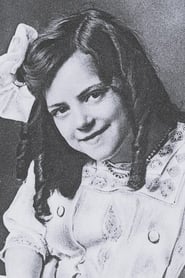
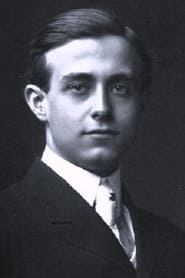
The film was produced during D.W. Griffith’s highly prolific Biograph period, when he and his regular repertory company were turning out one-reel dramas at a rapid pace. Like many 1911 Biograph shorts, it was built around a simple moral premise and staged for clarity rather than elaborate spectacle. The surviving historical record does not preserve detailed production paperwork, so casting, shooting dates, and set specifics are only partially documented through trade listings and filmographies. Dell Henderson, Blanche Sweet, and Edwin August were all part of the Biograph/Griffith acting circle, which meant the production likely relied on familiar stock-company collaboration and quick, efficient rehearsals.

Historical Background

The film was made in 1911, a formative year in the development of narrative silent cinema in the United States. This was the nickelodeon era, when one-reel films dominated exhibition and audiences were rapidly becoming accustomed to movie storytelling as a regular popular entertainment. D.W. Griffith was working at Biograph at the peak of his early influence, experimenting with editing patterns and performance styles that would become foundational to classical Hollywood cinema. Socially, the film reflects early-20th-century anxieties about female mobility, romance, and parental control, presenting a cautionary narrative that aligns with prevailing moral expectations of the time. Its importance lies less in fame than in what it represents: the everyday labor of early cinema in shaping narrative conventions, star personas, and audience expectations.

Why This Film Matters

Although not one of Griffith’s landmark titles, the film is culturally significant as a representative example of the domestic melodrama that helped establish the emotional and moral vocabulary of early American films. It contributes to the study of Blanche Sweet’s emergence as a screen presence and to the broader understanding of how early cinema portrayed young women negotiating desire, family authority, and social propriety. For film historians, minor surviving records of titles like this are valuable because they reveal the breadth of Griffith’s output beyond the well-known epics and controversies. The film also illustrates how early cinema translated theatrical and literary morality into concise visual storytelling for mass audiences, a practice that influenced later silent melodrama and studio-era narrative form.

Making Of

The Making of a Man was produced in the fast-moving environment of the Biograph Company, where Griffith oversaw a steady stream of short dramas and relied on a stable ensemble of actors. By 1911, Griffith had become known for tightening film storytelling through more expressive cutting, clearer emotional beats, and increased attention to performance detail, especially in close or intimate scenes. This film likely depended on those strengths rather than on elaborate production design or location work. The limited surviving documentation is typical for a short of this era, so much of what can be said comes from the broader context of Griffith’s Biograph method: efficient production, repertory casting, and strong moral melodrama centered on family and social behavior.

Visual Style

As a Biograph short of 1911, the film would have used the company’s standard black-and-white silent-cinema visual style, likely including fixed camera setups, carefully blocked staging, and straightforward framing to keep the action legible. Griffith’s films from this period increasingly relied on close views and reaction emphasis to heighten emotional meaning, even within simple domestic situations. The cinematography would have been functional but expressive, prioritizing readable gesture and spatial clarity over decorative composition. Since the film is little documented and may not survive in viewable form, specific shot-by-shot visual details are not securely known, but it belongs to the phase in which Griffith was refining continuity-style storytelling.

Innovations

The film’s main technical significance lies in its place within Griffith’s ongoing development of narrative continuity and emotional editing, rather than in a single headline invention. Like many Biograph shorts, it likely demonstrates efficient scene construction, economical storytelling, and performance-centered direction that helped standardize cinematic grammar in the early 1910s. The production belongs to the era in which Griffith was helping normalize the use of expressive cuts, closer framings, and progressively more sophisticated dramatic pacing. Even without being a landmark in itself, it forms part of the body of work that advanced screen storytelling beyond filmed stage performance.

Music

As a silent film, The Making of a Man had no synchronized recorded soundtrack. In original exhibition, it would have been accompanied by live music selected by the theater, often a pianist or small ensemble improvising or using cue sheets, depending on the venue. Any modern screening would require a newly assembled accompaniment, but no original score is known to survive. Music for films of this type typically aimed to reinforce sentiment, tension, and moral resolution rather than to provide specific leitmotifs.

Memorable Scenes

  • The young woman’s impulsive decision to leave home and seek out the leading man in the next town, a classic early-cinema moment of romantic recklessness.
  • The father’s discovery of her absence and his forceful intervention, which turns the story from flirtation into a moral rescue.
  • The return home sequence, which likely serves as the emotional and ethical resolution of the film’s compact melodramatic arc.

Did You Know?

  • This is an early D.W. Griffith Biograph short from 1911, a period when he was directing films at an extraordinary pace and helping define the grammar of American narrative cinema.
  • Blanche Sweet was one of Griffith’s important early leading ladies and appeared in a large number of his shorts before becoming a major star in the silent era.
  • Dell Henderson was both an actor and a director and frequently appeared in Griffith productions during the Biograph years.
  • Edwin August was a well-known early screen actor who also worked as a writer and director, making this cast typical of the multi-talented personnel circulating through early studios.
  • The film is a one-reel drama, which means the entire story had to be told economically within roughly fifteen minutes.
  • The story reflects a recurring Griffith theme: the correction of youthful desire through parental authority and moral discipline.
  • Because the film is an early 1911 title, it is part of the period when many silent films were not systematically preserved, and its survival status is uncertain to poor in modern collections.
  • The title suggests a melodramatic moral lesson, which was common in the nickelodeon era when films often carried explicit ethical or social messages.
  • The film is often of interest to historians because even minor Griffith shorts can show his evolving use of close-ups, reaction shots, and cross-cutting.
  • It belongs to the category of films for which plot summaries survive in trade or archival references even when the motion picture itself may no longer be easily viewable.

What Critics Said

Contemporary critical reception is not well preserved in readily accessible form, and this title does not appear to have generated the extensive review coverage that accompanied more prominent Griffith releases. As with many Biograph shorts, it was likely reviewed, if at all, in brief notices in trade papers or local exhibitor listings rather than in major long-form criticism. Modern assessment tends to be archival rather than aesthetic: historians value the film as part of Griffith’s 1911 output, as an example of early melodramatic narrative, and as another step in the careers of Blanche Sweet, Dell Henderson, and Edwin August. Because the film is obscure and may be lost or difficult to access, it is not often the subject of direct contemporary criticism, but it is recognized within silent-cinema scholarship as part of the director’s important early body of work.

What Audiences Thought

Specific audience reaction records are not known, which is common for a 1911 one-reel release. At the time, films like this were generally programmed as part of a mixed bill and consumed quickly by nickelodeon audiences who expected compact dramatic entertainment, emotional clarity, and a satisfying moral resolution. The subject matter would likely have been immediately legible to viewers of the era, who were accustomed to stories about family conflict, virtue, and youthful temptation. In modern times, audience awareness is limited because the film is obscure and not widely circulated, so reception today is mostly confined to silent-film enthusiasts and researchers.

Film Connections

Influenced By

  • Stage melodrama traditions of the late 19th and early 20th centuries
  • Early Biograph moral dramas
  • Domestic social-reform storytelling common in nickelodeon-era films

This Film Influenced

  • Early silent domestic melodramas that used family intervention as a moral resolution device
  • Subsequent Griffith-era relationship dramas built around social consequence and emotional correction

Film Restoration

The film is generally regarded as lost or at least not widely available in modern circulation; no commonly accessible print is known from standard public sources.

Themes & Topics