1912 · Approximately 14 minutes

Also available on: Archive.org
The Old Actor

The Old Actor

1912 Approximately 14 minutes United States
Aging and professional obsolescenceFamily loyalty and forgivenessDignity under humiliationThe precarious life of performersMisunderstanding and reconciliation

Plot

An aging stage actor is abruptly dismissed from his theater job because management considers him too old to continue playing the parts he has long performed. Afraid to go home and confess his humiliation to his wife and daughter, he disguises himself as a beggar and wanders the streets in disguise. His plan is complicated when his daughter’s suitor, not recognizing him, accidentally hands him a five-dollar gold piece instead of a smaller coin, setting off a comic and hectic chase involving a policeman, the daughter, and the young man. When the old actor is finally caught and revealed, his daughter is shocked but quickly forgives him, and the family is reconciled. At the same time, the actor who replaced him is also fired, and a messenger is sent to bring the old performer back, restoring him to his place on stage and to the happiness of his household and fellow actors.

About the Production

Release Date 1912-12-12
Production Biograph Company
Filmed In Fort Lee, New Jersey

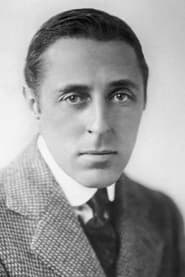
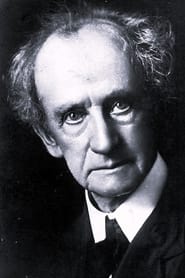
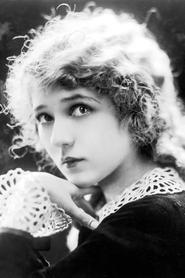
The Old Actor was produced during D.W. Griffith’s prolific Biograph period, when he was making short one-reel dramas at a remarkable pace and refining film grammar through tightly constructed stories. The film is a compact domestic melodrama with comedy elements, built around Mary Pickford’s early screen persona and W. Chrystie Miller’s pathos-laden characterization of an elderly performer. Like many Griffith-era Biograph productions, it was shot quickly with a small company using practical locations and studio settings associated with the East Coast film industry. The film reflects early 1910s social anxieties about age, labor, and theatrical life, but exact production records such as budget and box office were not routinely published for short films of this period.

Historical Background

The Old Actor was released in 1912, during a transformative period in American cinema when the film industry was shifting from short novelties toward more sophisticated narrative storytelling. D.W. Griffith, then at Biograph, was one of the key figures developing editing patterns, performance styles, and dramatic pacing that would become foundational to classical film grammar. The film also reflects early 20th-century cultural attitudes toward age, employment, and domestic responsibility, especially the fear of being discarded once no longer considered productive. At the same time, the theatrical setting nods to the close relationship between stage tradition and cinema in this era, when many actors and stories were still moving between the theater and the screen. Historically, the film is important less for spectacle than for its place within Griffith’s evolving body of work and its use of compact melodrama to explore social and emotional themes.

Why This Film Matters

While The Old Actor is not among the most famous Griffith titles, it is culturally significant as an example of early American silent cinema’s concern with family, dignity, and the precariousness of labor. The film contributes to the image of Mary Pickford in her formative years as a sympathetic young woman in domestic dramas, a persona that helped shape one of silent cinema’s most durable star identities. It is also representative of the many Biograph shorts that helped establish feature-style narrative clarity before feature-length films became dominant. Its portrayal of an elderly performer being dismissed for age has lasting resonance as a story about dignity, generational anxiety, and the precariousness of artistic employment. For scholars, it is useful as a small but telling artifact of Griffith’s company system, his handling of sentiment, and the evolving language of screen melodrama.

Making Of

The Old Actor was made in the context of Biograph’s East Coast production system, where Griffith supervised a company of repertory performers and relied on swift, efficient shooting schedules. The casting of W. Chrystie Miller as the father figure and Mary Pickford as the daughter reflects Griffith’s tendency to build emotional identification through a stable stock company of actors recognizable to audiences of the day. The film’s structure suggests careful staging of business, especially the disguise sequence and the pursuit, both of which would have depended on precise blocking and readable visual storytelling in the silent format. As with many early Griffith films, the production emphasized expressive acting, clear spatial continuity, and the use of everyday social situations to generate melodramatic tension. Specific surviving production anecdotes are not well documented, but the film is representative of Griffith’s early mastery of short-form narrative cinema.

Visual Style

The cinematography is characteristic of early Griffith-era Biograph work: static or minimally moving camera setups, carefully arranged tableau-like compositions, and emphasis on expressive body language and readable spatial relationships. The film likely uses straightforward cross-cutting or sequential staging to support the pursuit and the family confrontation, though not the more elaborate editing associated with Griffith’s later features. Visual storytelling would have depended on the actors’ physical expressiveness, especially in the beggar disguise and chase sequence. The black-and-white imagery, simple location and interior staging, and cleanly blocked action are typical of 1912 silent melodrama.

Innovations

The film’s main technical achievement lies in its economical silent storytelling, using a compact running time to introduce character, conflict, disguise, pursuit, and reconciliation without confusion. It demonstrates Griffith’s skill at staging emotion and action in a way that remained legible to audiences in the one-reel format. The film also shows the early development of chase structure as a source of momentum within domestic melodrama. While not technically innovative in a spectacular sense, it is representative of the narrative and editorial discipline that helped standardize classical screen storytelling.

Music

As a silent film, The Old Actor had no synchronized recorded soundtrack. Like most silent-era screenings, it would originally have been accompanied by live music chosen by the exhibitor, often a pianist, organist, or small ensemble, with selections tailored to the emotional mood of each scene. No specific original cue sheet or surviving commissioned score is widely documented for this title. Modern presentations of the film, where available, may use library music or newly assembled accompaniment.

Famous Quotes

As a silent film, no spoken dialogue is preserved in the standard release record.
No verified intertitles are widely documented in surviving reference sources for this title.

Memorable Scenes

  • The old actor, newly dismissed and unable to face his family, puts on a beggar’s disguise before returning home.
  • The accidental gift of the five-dollar gold piece becomes the comic trigger that exposes his disguise and sets the chase in motion.
  • The pursuit through the streets, involving the policeman, the daughter, and her suitor, provides the film’s most lively burst of action.
  • The moment the daughter recognizes her father after he is caught, transforming embarrassment into forgiveness.
  • The final restoration of the old actor to his job, bringing relief to his wife, daughter, and fellow performers.

Did You Know?

  • The film was directed by D.W. Griffith during the height of his Biograph output, when he was making and supervising a large number of short films each year.
  • Mary Pickford appears in one of her many early roles for Biograph, part of the period before she became a globally recognized star.
  • W. Chrystie Miller was a favorite Griffith character actor, often cast in sympathetic paternal or elderly roles that relied on pathos and dignity.
  • The story combines melodrama and comedy, a common Griffith-era device that allowed sudden shifts from emotional distress to relief and reconciliation.
  • Its plot centers on the vulnerability of working performers, especially older actors, in a changing theatrical profession.
  • The accidental five-dollar gold piece is a typical early cinema plot catalyst: a small comic misunderstanding escalates into a chase scene.
  • Because it is a 1912 one-reel film, the narrative has to establish conflict, disguise, pursuit, and resolution very economically.
  • The film survives in film-history records and institutional references, though many Biograph shorts from the era are incomplete or only sparsely documented in surviving publicity materials.

What Critics Said

Contemporary critical documentation for many short Biograph films is limited, and The Old Actor does not appear to have generated the extensive critical discussion reserved for later feature-length Griffith works. In its own time, it would likely have been received as a polished and emotionally effective drama, with audiences accustomed to the clear moral and sentimental structures of early silent pictures. Modern critical interest is mostly historical rather than evaluative: the film is studied as part of Griffith’s Biograph output, the careers of Mary Pickford and W. Chrystie Miller, and the development of early narrative technique. Today it is viewed as a modest but revealing example of early 1910s filmmaking, valued for its craft, performance style, and period significance rather than for canonical status.

What Audiences Thought

No detailed box-office or audience-survey data is known for this film, which is typical of short releases from the silent era. Based on the conventions of the period and the story’s mixture of pathos, comedy, and reconciliation, it likely played well with general audiences who favored emotionally direct domestic dramas. The inclusion of Mary Pickford and Griffith’s reliable house style would have made it accessible to theatergoers familiar with Biograph films. Audience response today is largely archival and scholarly, with viewers approaching it as a historical artifact and a performance showcase for early silent-era players.

Film Connections

Influenced By

  • Early Biograph domestic melodramas
  • Stage melodrama traditions
  • Turn-of-the-century comic chase films
  • Victorian and Edwardian sentimental fiction

This Film Influenced

  • Many later D.W. Griffith domestic melodramas
  • Early silent family dramas featuring pathos and reconciliation
  • Subsequent films built around mistaken identity and comic pursuit

Film Restoration

The film is known through archival references and historic listings; it is not generally treated as a lost title in standard filmographies, though surviving print accessibility is limited and may exist only in archival or specialized collections.

Themes & Topics