The Girls and Daddy
Plot
In this short drama, two sisters are left to guard their home while their father’s money is in danger from a lurking burglar. The intruder attempts to break into the house and seize the cash, forcing the girls to rely on their courage and resourcefulness to protect the family property. As the tension builds, the sisters’ vigilance and quick action thwart the burglar’s plan. The film plays out as a compact domestic suspense story, characteristic of early D.W. Griffith one-reel dramas that emphasized danger, moral resolution, and family virtue.
About the Production
The Girls and Daddy was produced as a short Biograph drama during D.W. Griffith’s prolific 1909 period, when he was making films at a very rapid pace and refining the narrative grammar of the American moving picture. Like many Biograph shorts of the era, it was likely filmed on studio stages and modest exterior settings in the New York area, though exact on-location details are not generally documented. Surviving production records for many 1909 shorts are sparse, so precise budgeting, shooting dates, and crew assignments are not known with certainty. The film fits squarely into Griffith’s domestic melodrama and suspense cycle, using a simple premise, efficient storytelling, and clear visual action rather than elaborate production values.
Historical Background
The Girls and Daddy was made in 1909, at a pivotal moment in American film history when the industry was rapidly moving from novelty attraction to mass entertainment. Nickelodeons were flourishing, and studios like Biograph were producing a high volume of short films to meet demand from exhibitors across the United States. D.W. Griffith was in the middle of a landmark year in which he directed dozens upon dozens of films, experimenting with continuity editing, shot variation, and more expressive narrative pacing. Socially, the film emerged in an era shaped by changing urban life, anxieties about crime and household security, and a popular appetite for melodramatic stories centered on family danger and moral order. Its significance lies less in blockbuster fame than in its place within the formative period when American screen storytelling was being standardized and refined.
Why This Film Matters
Although not one of Griffith’s best-known titles, The Girls and Daddy is culturally important as an example of the early domestic suspense film and of the storytelling methods that helped establish classical American cinema. It reflects the era’s recurring portrayal of women as guardians of the home, while also giving them active agency in repelling danger, which makes it interesting in the context of early screen representations of female competence. The film also belongs to the body of work that helped elevate film acting, editing, and narrative structure beyond simple filmed stage tableaux. For historians, it is useful as a small but telling artifact of 1909 screen culture, showing how familiar social anxieties and everyday settings were turned into concise dramatic entertainment.
Making Of
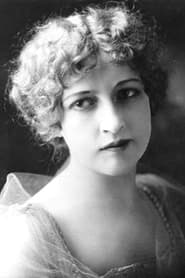
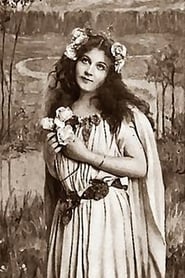
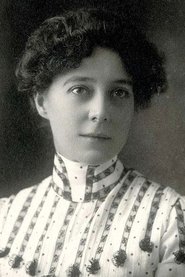
The Girls and Daddy belongs to the period when D.W. Griffith was helping transform short films from brief scenes into more fully structured narratives, often by organizing action around a central domestic problem. The production would have been made quickly and economically, with minimal sets, limited intertitles, and straightforward performance styles suited to the one-reel format. Florence Lawrence’s presence is notable because she was among the first performers to gain broad public recognition under her own name, and her work at Biograph helped define the emerging star system. Although the film’s individual production anecdotes are not well preserved, it is representative of Griffith’s 1909 output in which he repeatedly returned to themes of home invasion, threatened innocence, and rescue through decisive action.
Visual Style
The cinematography would have been typical of early Biograph production: static or minimally moving camera setups, clearly staged action, and concise visual storytelling intended for easy comprehension by theater audiences. Griffith and his cameramen in this period were increasingly attentive to varied framing and to cutting between actions to maintain suspense, even though the film predates the more elaborate grammar of later feature filmmaking. Lighting would have been dependent on available studio illumination and practical exterior conditions, producing the crisp, high-contrast look characteristic of silent films of the era. The visual style likely emphasizes clarity over ornament, with the household interior and the burglar’s intrusion serving as straightforward narrative spaces.
Innovations
The film does not appear to be associated with a singular headline technical innovation, but it is part of the crucial body of work in which Griffith was refining continuity storytelling. Its likely use of cross-cutting or suspenseful scene organization would have helped audiences follow simultaneous danger and household response, a technique that became central to later classical cinema. The film also demonstrates the early maturation of narrative economy: a complete dramatic arc is conveyed in a very short runtime with minimal explanatory material. In that sense, its technical importance lies in the advancement of short-form cinematic grammar rather than in a single isolated invention.
Music
As a silent film from 1909, The Girls and Daddy had no synchronized soundtrack or composed screen score. In original exhibition, it would typically have been accompanied by live music from a pianist, organist, or small theater ensemble, with the accompaniment chosen to match suspense, domestic emotion, and the film’s dramatic turns. No original cue sheet or standardized score is widely known for this title. Modern screenings of silent-era films like this one, when available, may use either period-style improvisation or newly created accompaniment.
Memorable Scenes
- The tense moment when the sisters realize a burglar is targeting their home and must decide how to respond.
- The suspenseful defense of the house as the women protect their father's money from theft.
- The final thwarting of the burglar’s plan, restoring safety and domestic order.
Did You Know?
- The film is a 1909 D.W. Griffith short made for the Biograph Company, part of his extremely productive early period as a director.
- It is one of many one-reel domestic dramas Griffith made that year, built around family danger, suspense, and quick moral resolution.
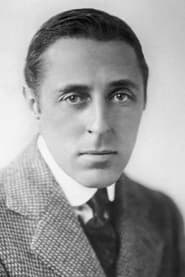
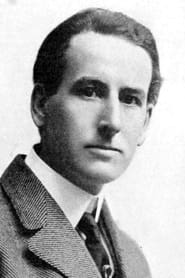
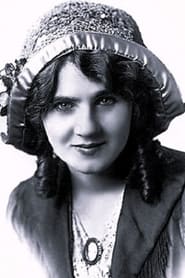
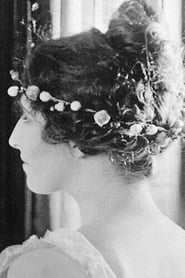
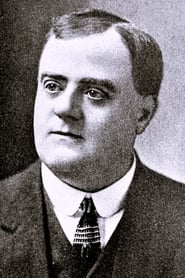
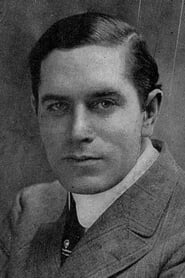
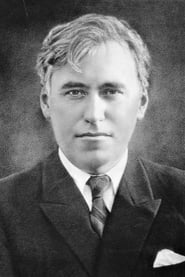
- The cast includes David Miles, Florence Lawrence, and Dorothy West, all of whom appeared in numerous early Biograph productions.
- Florence Lawrence was one of the earliest widely recognized movie stars in America and is often called the first film celebrity.
- The title is sometimes referenced in filmographies as The Girls and Daddy, but detailed contemporary publicity materials are scarce.
- As with many 1909 shorts, the film’s plot survives primarily through catalog descriptions and historical film reference sources rather than extensive surviving documentation.
- The movie reflects Griffith’s developing interest in parallel action and suspenseful domestic situations, themes that would become more sophisticated in his later work.
- The film’s survival status is not firmly documented in widely available public sources, which is common for very early silent shorts.
- Early Biograph releases like this were typically shown in nickelodeons and mixed programs alongside newsreels, comedies, and other shorts.
- Its premise of women defending the home from a criminal intruder fits the era’s frequent cinematic emphasis on the endangered household and restored order.
What Critics Said
Contemporary critical coverage for many 1909 Biograph shorts was limited, and specific reviews of The Girls and Daddy are not widely preserved in accessible sources. At the time, films of this kind were generally evaluated as part of the broader reputation of the Biograph brand and Griffith’s growing status as a director rather than as individually reviewed prestige works. Modern critical interest is primarily historical: scholars and archivists view the film as part of Griffith’s important early development as a storyteller and as evidence of the conventions of silent domestic melodrama. Because the film is little discussed in mainstream criticism today, its reputation is chiefly that of a useful archival title rather than a canonical classic.
What Audiences Thought
Audience response in 1909 is difficult to document precisely, but the film was likely received as a compact, suspenseful melodrama suited to the nickelodeon audience’s appetite for crime, domestic peril, and quick emotional payoff. Short films from Biograph were widely distributed and regularly programmed, suggesting that they found a reliable audience even when individual titles did not become famous. The appeal would have come from the immediacy of the threat, the recognizable family setting, and the satisfaction of seeing the sisters successfully defend their home. Today, audience interest is mostly limited to silent film enthusiasts, Griffith scholars, and viewers interested in early women-centered domestic thrillers.
Film Connections
Influenced By
- Early stage melodrama
- Victorian domestic fiction
- Nickelodeon-era crime and rescue shorts
- D.W. Griffith's own Biograph domestic dramas
This Film Influenced
- Early home-invasion melodramas
- Domestic suspense shorts of the 1910s
- Family rescue and protection narratives in silent cinema
You Might Also Like
More Drama Films
View allMore from D.W. Griffith
View allFilm Restoration
The survival status is not clearly documented in widely available public sources; like many 1909 silent shorts, it may be lost or survive only in incomplete archival form, but no universally cited restoration is known.