1911 · Approximately 10-12 minutes

Also available on: YouTube
The Baby and the Stork

The Baby and the Stork

1911 Approximately 10-12 minutes United States
Sibling jealousy and rivalryFamily affection and domestic reconciliationChildhood misunderstanding and innocenceFolklore and the stork mythComedy from mistaken logic

Plot

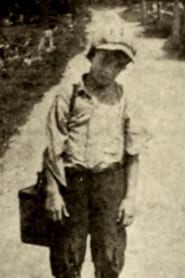
Bobby is distressed and jealous when his family’s new baby becomes the center of attention, and in his childlike logic he decides the infant must have been brought by a stork and should therefore be returned to it. He takes the baby away and heads for the zoo, where he hopes to find the stork and give the child back. His adventure turns comic and tense as the adults search for him and the baby, while Bobby remains convinced that he is solving a domestic problem. The situation ultimately resolves with the baby safely recovered and Bobby taught, in a gentle comic way, that the newcomer is not a parcel to be sent back but a beloved member of the family.

About the Production

Release Date 1911
Production Biograph Company
Filmed In United States, Biograph Studios, Fort Lee, New Jersey

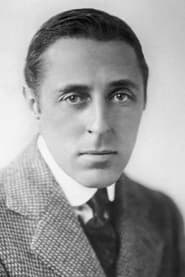
The film is an early Biograph comedy-drama directed by D.W. Griffith in the same period when the company was producing large numbers of one-reel subjects for weekly release. Like many Griffith-era shorts, it was made quickly and economically with a small cast and a compact domestic premise designed to work within a brief running time. The picture reflects the studio's reliance on familiar family situations, child performers, and straightforward visual storytelling rather than elaborate sets or special effects. Surviving documentation is limited, so precise production minutiae, original publicity copy, and shooting specifics are not consistently recorded in modern reference sources.

Historical Background

The Baby and the Stork was made in 1911, when the American motion picture industry was still in its pre-feature, one-reel stage and was rapidly standardizing storytelling conventions. D.W. Griffith at Biograph was among the most influential filmmakers of the period, experimenting with editing, staging, and audience comprehension in dozens of shorts each year. The film sits in a moment when silent cinema was moving from simple gag or tableau films toward more structured narratives with character motivation, cross-cutting, and emotional payoff. It also reflects early twentieth-century family culture and the widespread use of folkloric explanations for childhood, such as the stork myth, which would have been immediately legible to viewers of the time. In broader film history, pictures like this are important because they show how everyday domestic humor and sentiment helped establish cinema as a mass entertainment medium.

Why This Film Matters

Although not a major landmark title on its own, the film is culturally significant as an example of how early cinema translated common folklore and family life into accessible screen comedy. It contributes to our understanding of D.W. Griffith's pre-feature period, when he was honing the narrative vocabulary that would later become central to classical Hollywood filmmaking. The movie also reflects the early star system in miniature, with recurring Biograph actors helping audiences recognize familiar screen personalities before the age of long-form stardom. Its preservation in film history discussions helps illustrate the sheer volume and variety of early American shorts that shaped viewer expectations long before feature-length films became dominant. For scholars, it is valuable as a small but revealing piece of evidence about child performance, domestic themes, and studio production practices in 1911.

Making Of

The Baby and the Stork was produced at a time when D.W. Griffith and Biograph were turning out films at a rapid pace, usually with a repertory company of dependable actors who shifted from picture to picture. Griffith's method in this period emphasized brisk visual storytelling, simple premises, and carefully staged action that could be read immediately by audiences without intertitles carrying much exposition. The film also demonstrates the era's reliance on child-centered sentiment and domestic comedy, a formula that was both commercially reliable and easy to shoot within the constraints of one-reel production. Detailed behind-the-scenes records such as production memos, set reports, or budget sheets do not survive in widely accessible form, so most modern knowledge comes from cast/credit reconstructions, archival catalogs, and period filmographies.

Visual Style

The film would have been photographed in the style characteristic of early Biograph productions: static or lightly adjusted camera positions, clear staging in depth, and emphasis on readable body movement rather than elaborate camera motion. Griffith-era cinematography often relied on carefully arranged tableaux that allowed the audience to follow action instantly, especially in domestic interiors and simple exterior scenes. If the zoo sequence was staged as expected, it likely used straightforward location or set work to present the comic objective clearly without visual complexity. The visual style is valuable historically because it shows how early filmmakers communicated plot through performance, framing, and editing continuity before the widespread use of sophisticated camera movement.

Innovations

The film's main historical significance lies not in a single technological breakthrough but in the refinement of early narrative technique within a compact one-reel format. It demonstrates Griffith's ability to organize a small domestic story into clearly motivated scenes with strong visual readability for silent audiences. The film also reflects the broader Biograph practice of maintaining continuity, action clarity, and emotional legibility, all of which were essential steps in the evolution of classical film language. Its use of child-centered comedy and a simple but effective visual premise shows how early cinema could build audience engagement without elaborate technical apparatus.

Music

No original synchronized soundtrack survives, as the film was produced in the silent era. Like most silent shorts of the period, it would originally have been accompanied by live music, often a piano player in the theater using improvised or compiled cues to match the comic and sentimental tone. Modern presentations, when available, may use newly composed accompaniments or archival silent-film scores created for restorations or repertory screenings. Specific original cue sheets for this title are not widely documented in standard sources.

Memorable Scenes

  • Bobby, convinced that the new baby should be returned, sets off with the infant in hand toward the zoo in a comic attempt to locate the stork.
  • The adults' discovery of Bobby's disappearance, and the ensuing search, creates the film's central comic tension.
  • The final reconciliation, in which the baby is restored to the family and Bobby is gently corrected, provides the sentimental payoff typical of Griffith's domestic shorts.

Did You Know?

  • The film is a classic early D.W. Griffith one-reeler from Biograph, made during the period when he was refining narrative continuity and expressive close observation of domestic life.
  • Its premise draws on the popular nursery explanation that babies are delivered by storks, a piece of folklore that was widely recognizable to early twentieth-century audiences.
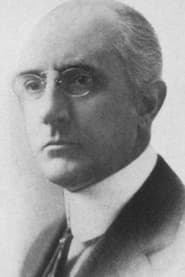
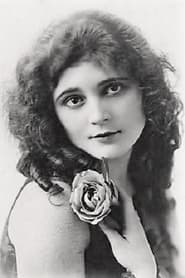
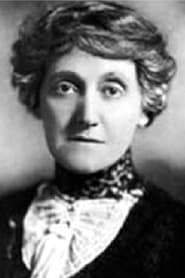
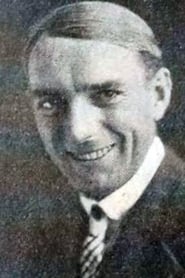
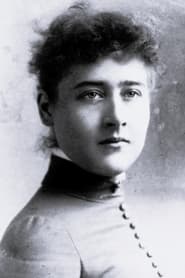
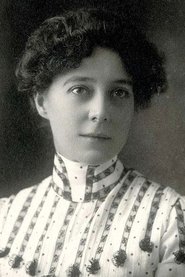
  • The cast includes Edna Foster as Bobby, with Charles Hill Mailes and Claire McDowell among the adult players associated with Griffith's stock company.
  • The movie is an example of Griffith's frequent use of children as central figures in sentimental or comic domestic scenarios, a hallmark of many of his 1910-1912 shorts.
  • The title has been cataloged under multiple archival and database entries, which is common for very early silent films whose documentation was assembled later from surviving prints and paper records.
  • It is often grouped with other early Griffith family comedies because the plot depends on child psychology rather than broad slapstick.
  • As with many 1911 films, no synchronized soundtrack exists; modern screenings are typically accompanied by live or recorded piano music chosen by exhibitors or restorers.
  • Because it is so short and old, the film is studied more for its place in Griffith's output and early American filmmaking practice than for star-driven performance.
  • The film belongs to the formative years of Fort Lee, New Jersey, as a major production center before Hollywood dominance.
  • Its gentle resolution reflects the moralizing tone of many early silent films, which often turned comic trouble into a lesson about family affection.

What Critics Said

Contemporary detailed critical reviews for this specific short are scarce, which is typical for many one-reel films of the era; such pictures were often reviewed briefly or simply listed in trade publications rather than receiving extended criticism. In its own time, a film like this would likely have been judged by exhibitors and trade readers on the clarity of its story, the charm of its child lead, and its ability to provoke laughter and sympathy within a very short running time. Modern critical interest tends to be historical rather than evaluative, focusing on its place within Griffith's output, Biograph's production methods, and early silent narrative conventions. Today it is usually appreciated by silent-film historians and archivists as a surviving or documented example of early 1910s American domestic comedy.

What Audiences Thought

Audience response in 1911 would have depended largely on local exhibition circumstances, but the premise was well suited to family audiences because it combined child-centered humor with a reassuring emotional resolution. The stork myth was familiar and playful, so viewers would have immediately understood Bobby's mistaken logic and the comic urgency of his mission. Early audiences often responded warmly to films featuring children, animals, and recognizable domestic situations, especially when the film ended in an affectionate reconciliation. Because the film was short and part of the regular weekly program, its reception is best understood as generally favorable amusement rather than the kind of documented box-office phenomenon associated with later feature films.

Film Connections

Influenced By

  • Popular folklore about babies and storks
  • Early stage and vaudeville domestic comedy traditions
  • Biograph's short-form family dramas and comedies
  • D.W. Griffith's own developing style in one-reel narrative filmmaking

This Film Influenced

  • Later child-centered domestic comedies in silent cinema
  • Family melodramas and comedies that use mistaken childhood logic as a plot engine
  • Early narrative shorts that blend sentiment with light comedy

Film Restoration

The film is listed in film historical catalogs and appears to be extant in archival or reference form, though complete public-access availability may be limited and may vary by archive or restoration status. As with many early Biograph shorts, surviving materials may exist in fragmentary, preserved, or privately held archival copies rather than widely distributed commercial editions.

Themes & Topics